


The plan of work for the production of sea cucumber seed can be divided into three phases.
Installation of equipment in the hatchery as per recommendations given in this report. All the additional equipment suggested may be procured. Sea water connection and aeration may be installed. The microalgal culture laboratory may be made operational. All these works should be finished before the end of May'96.
The full fledged hatchery can be inspected in June 1996 to check and see whether everything is in order to make it fully operational.
Seed production of Holothuria fuscogilva can be first attempted in January 1997. This species seems to spawn without thermal stimulation. When specimens are collected from a depth of 30 to 40 m. and brought to the laboratory, due to the change in the environmental conditions, they spawn. When once the seed production of Holothuria fuscogilva is successful, the seed production in Thelenota ananas, another commercially important species, can also be taken up.
The consultant was provided with a list of equipment (Annex 1) drawn by the government and to be imported. He advised on the requirements for equipment and chemicals necessary for the sea cucumber hatchery (Annexes 2 and 3).
FIGURE 1 – 10 Plan for Hatchery and Related Specifications
FIG. 1
| W | WELL |
| ST | SEDIMENTATION TANK |
| FB | FILTER BED |
| SS | STORAGE SUMP |
| OT | OVERHEAD TANK |
| LT | LARVAL TANK |
| BT | BROODSTOCK TANK |
| UV | U-V CHAMBER |
| DC | DRAINAGE CAN |
| P | PLATFORM |
| SR | STORE ROOM |
| MCR | MASS CULTURE ROOM |
| SCR | STOCK CULTURE ROOM |
| GR | GENERATOR ROOM |
| CR | COMPRESSOR ROOM |
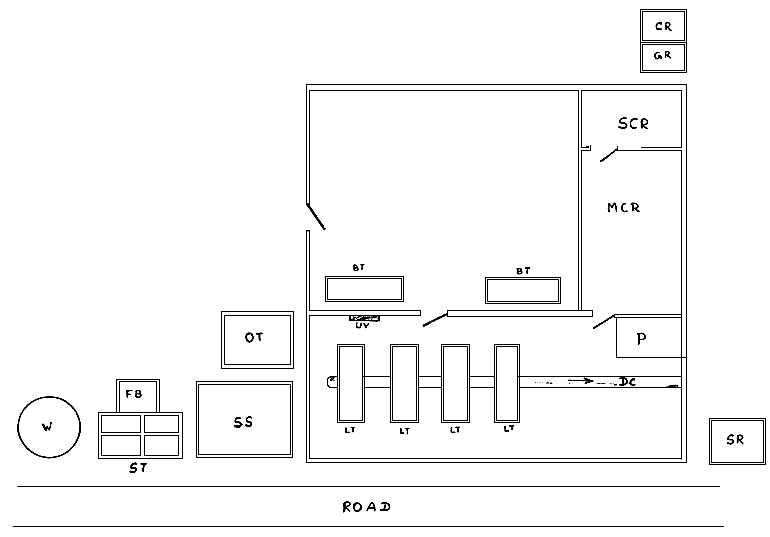
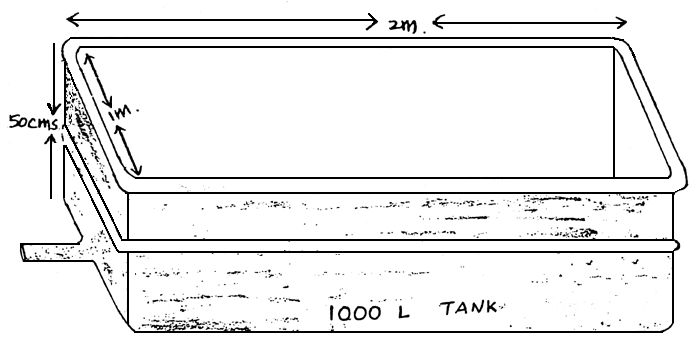
FIG. 2
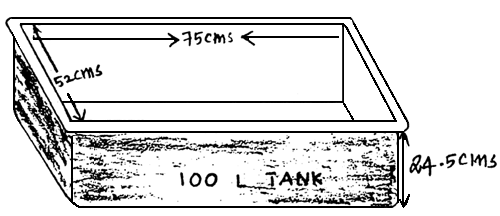
FIG. 3
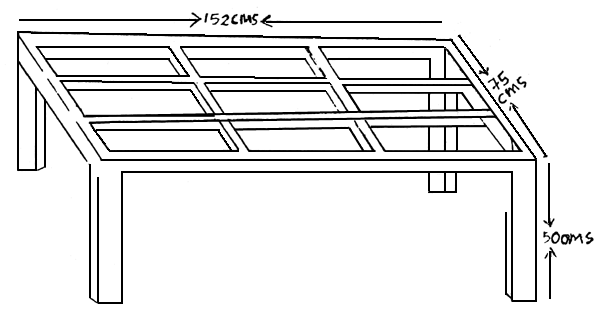
FIG. 4
WOODEN STAND FOR 100L. TANKS
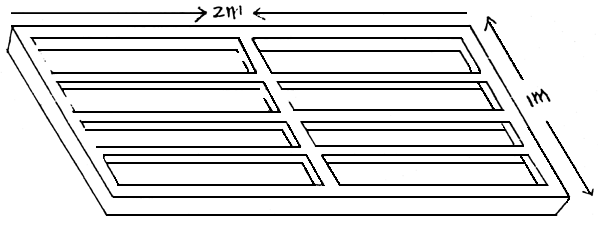
FIG. 5
WOODEN FRAME FOR 1000L. TANKS
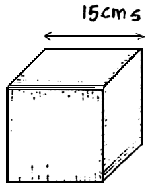
FIG. 6
CEMENT BLOCK
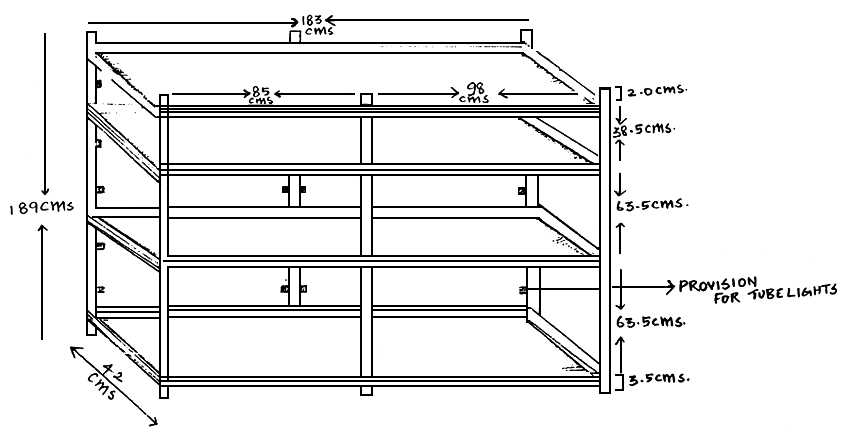
FIG. 7
STOCK CULTURE RACK
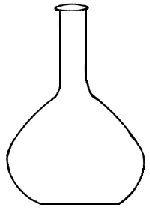
FIG. 8
HAUFKIN FLASK (4L)
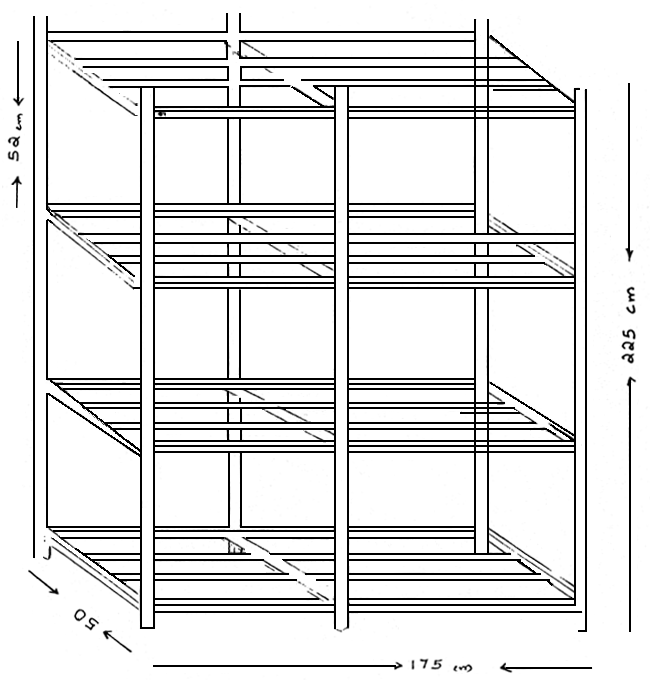
FIG. 9
RACK FOR MASS CULTURE
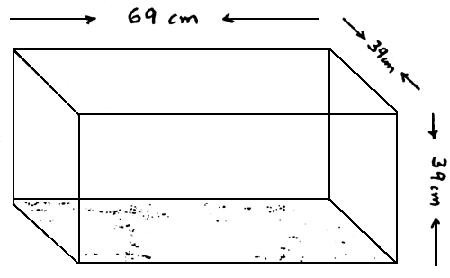
FIG. 10
PERSEPEX TANK (100L)
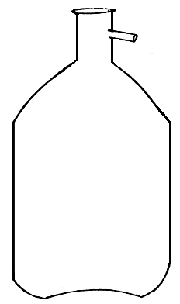
FIG. 11
GLASS CARBOUY (20L)
