

© FAO/Mirbek Kadraliev
This chapter outlines how the SPI can effectively operate by detailing its activities, mechanisms, and tools (Section 5.1). It also discusses the necessary organizational capacity for a functional SPI (Section 5.2) and offers guidance on building it as a learning organization and monitoring its progress (Section 5.3).
Once a national agrifood SPI is planned, the crucial phase of shaping the content and designing processes should begin. The strength and trustworthiness of an SPI lies in the consistency and reliability of its processes as it responds to agrifood system challenges. Consequently, it is essential that activities are inclusive, work processes are clear and transparent, and communications are structured coherently and consistently disseminated. The operationalization of an SPI must be accompanied by strong foundational, within-country support for Indigenous Peoples’ rights,17 including respecting their knowledge sovereignty, or else the SPI risks exacerbating Indigenous Peoples’ marginalization, the exploitative use of their knowledge, and policy implementation excluding them. Additionally, the SPI should be able to balance its required responsiveness to national interests with its role as an independent source providing inclusive analysis of knowledge for decision-making. Developing capacities to act as brokers, the SPI should facilitate the integration of evidence and viewpoints through skilled intermediaries, emphasizing commonalities and constructive pathways forward. Finally, the SPI should build financial, managerial, and relational capacities to effectively align with its aims and purpose.
The following is recommended to establish operations of an agrifood SPI:
The following mechanisms and tools could be envisaged to ensure that knowledge is actionable and relevant for policy (Figure 14).

© M. Tamagnini
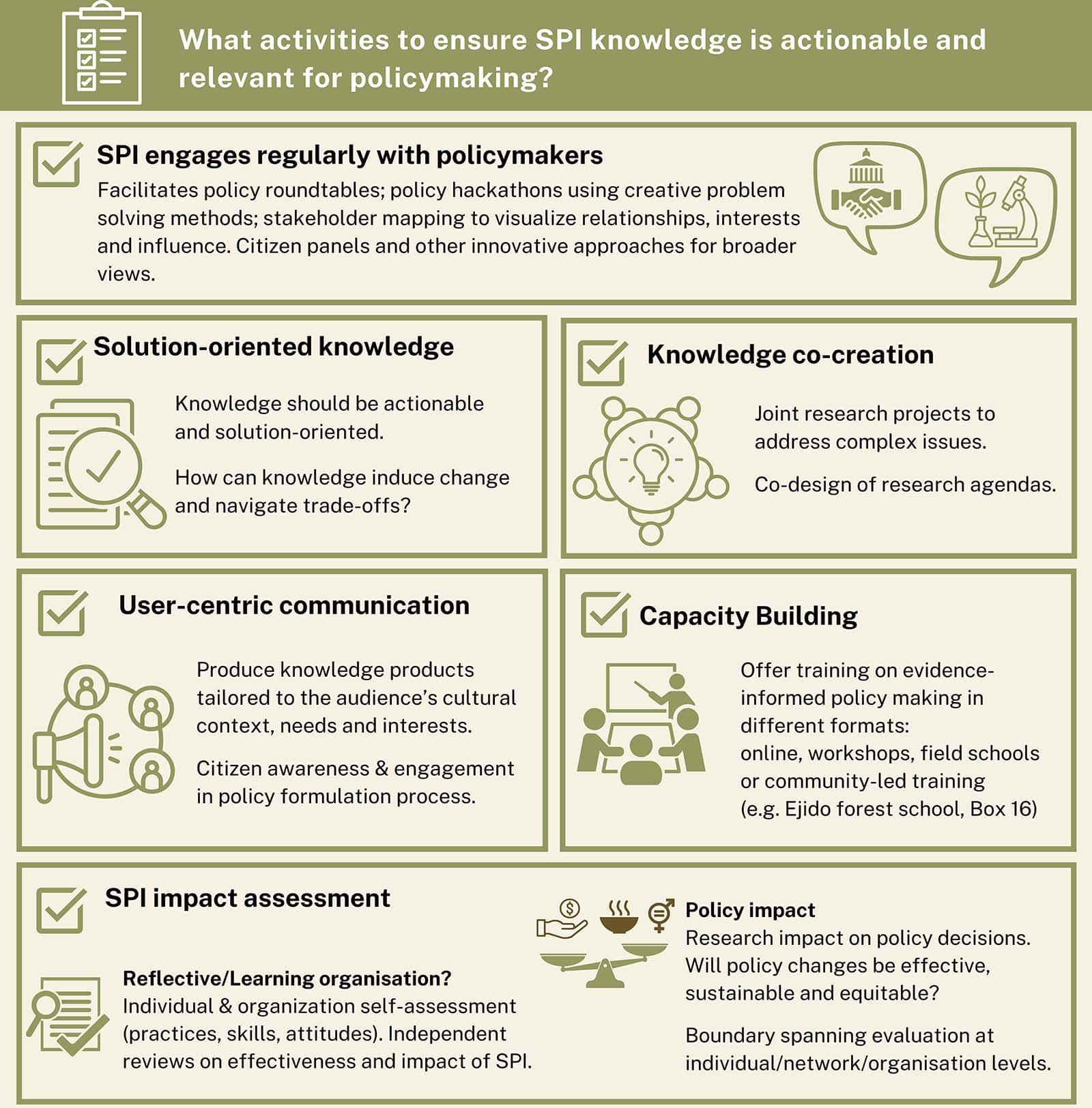
Source: Authors’ own elaboration.
To be useful for policy purposes, knowledge from many disciplines and epistemologies must be combined in a coherent format that summarizes known and unknown aspects, while recognizing knowledge gaps and conveying degrees of uncertainty and other limitations associated with the provided information (Gluckman, Bardsley and Kaiser, 2021). Evidence synthesis, i.e. the systematic identification, selection, appraisal and synthesis of relevant and robust studies on the same topic for overall understanding (including of divergences and controversies), how it varies by group or context,18 and translation of that knowledge to facilitate policy design and implementation is a key function of SPIs. The three main types of evidence synthesis are systematic reviews, systematic maps, and rapid evidence assessments. Systematic reviews focus on answering “What works?” by evaluating the effectiveness of interventions. Systematic maps have a broader scope, addressing “What is known?” Rapid evidence assessments can take either approach but use faster, streamlined methods.
Additionally, SPIs can generate new actionable knowledge. Various scientific evidence production methods have been proposed each contributing different levels of value (see Figure 15, condensed descriptions below) at different stages of problem-solving.
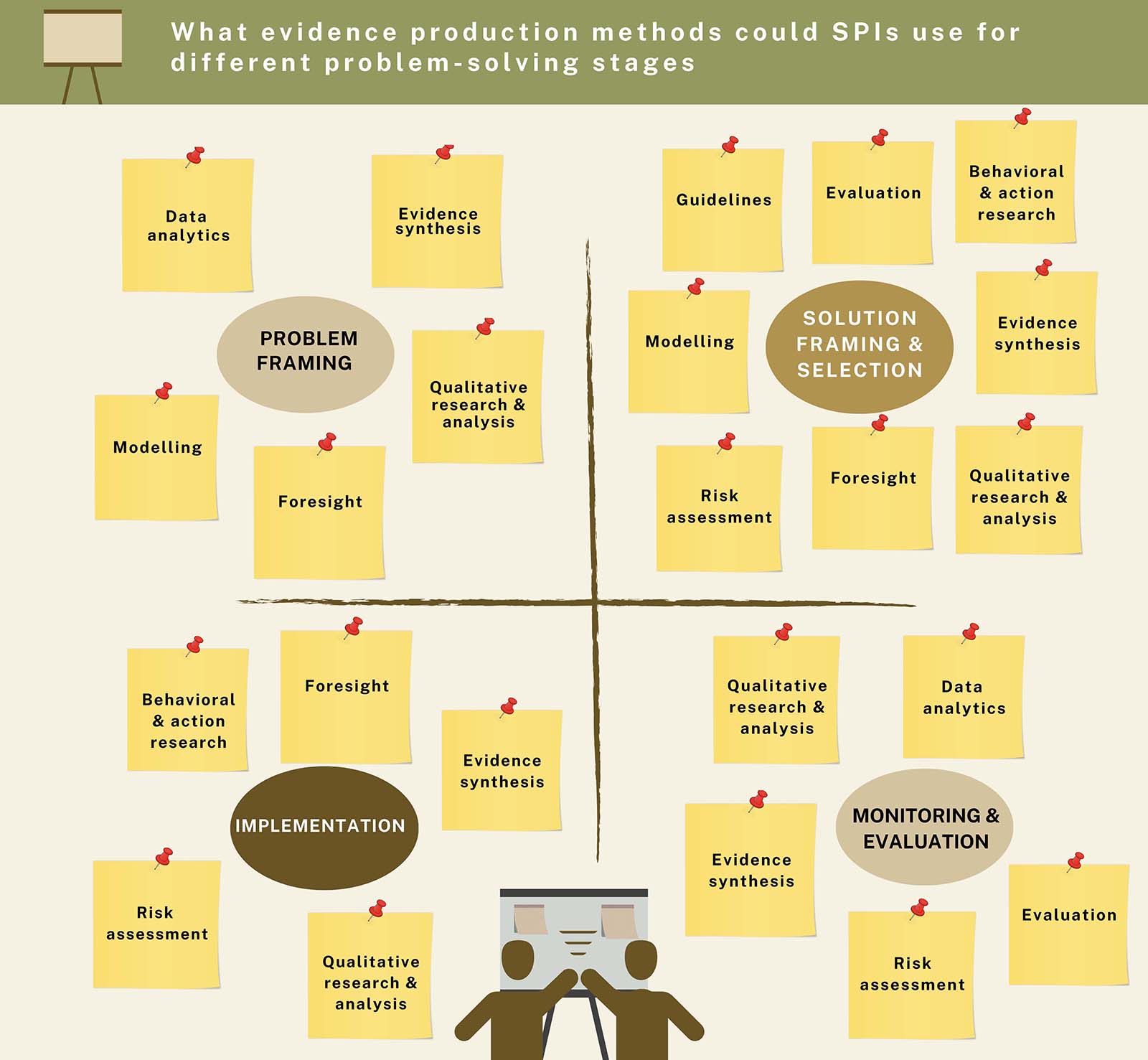
Source: Adapted from Global Commission on Evidence to Address Societal Challenges. 2022. The Evidence Commission report: A wake-up call and path forward for decision-makers, evidence intermediaries, and impact-oriented evidence producers. Hamilton: McMaster Health Forum. https://www.mcmasterforum.org/docs/default-source/evidence-commission/evidence-commission-report.pdf
The Codex Alimentarius Commission (CAC) has made an important contribution to the understanding of the interactions between scientific and policy considerations in agrifood standards-setting, with important implications for what is needed to strengthen both national and international SPI institutions with responsibility for agrifood systems. The key provisions introduced by Codex refer to Risk Assessment Policy (RAP), which is the term used to refer to the policy-judgements that frame the deliberations of scientific advisory risk assessment bodies, and which consequently frame the advice provided to policymakers. The text the Codex Member States adopted on RAP indicates:
The adoption of the RAP provisions by the CAC and by all its Member States constitutes, at least implicitly, the acceptance of a co-dynamic model. The co-dynamic perspective recognizes that conducting risk assessments for official policymaking bodies routinely entails presupposing a set of evaluative judgements. They relate, for example, to: what is to count as a relevant risk, what kinds of evidence should be deemed relevant, and how much of which kinds of evidence should be variously deemed necessary or sufficient to justify advising risk managers that some product or process should be permitted, restricted or banned. The co-dynamic model acknowledges that interactions between scientific and policy considerations are reciprocal, rather than unidirectional. The Codex RAP provisions also acknowledge that, while scientific and policy considerations reciprocally interact, their separate contributions can and should nonetheless be explicitly identified and acknowledged by accountable institutions following transparent decision-making processes. The implementation of the Codex RAP provisions could substantially enhance the legitimacy of the processes by which agrifood policies are decided (Millstone, 2007).
Sources: Codex Alimentarius Commission. 2004. Procedural Manual. 13th edition, Appendix IV paras. 13-16; available at https://openknowledge.fao.org/items/6d252165-cec2-4d7c-9a39-090737872895. The same provisions remain part of the CAC’s 2023 28th Procedural Manual. https://openknowledge.fao.org/server/api/core/bitstreams/cdb4b110-b8bf-45dc-9c53-4ea9fcda1fc8/content
Millstone, E. 2007. Can food safety policy-making be both scientifically and democratically legitimated? If so, how? Journal of Agriculture and Environmental Ethics, 20: 483–508. https://doi.org/10.1007/s10806-007-9045-x
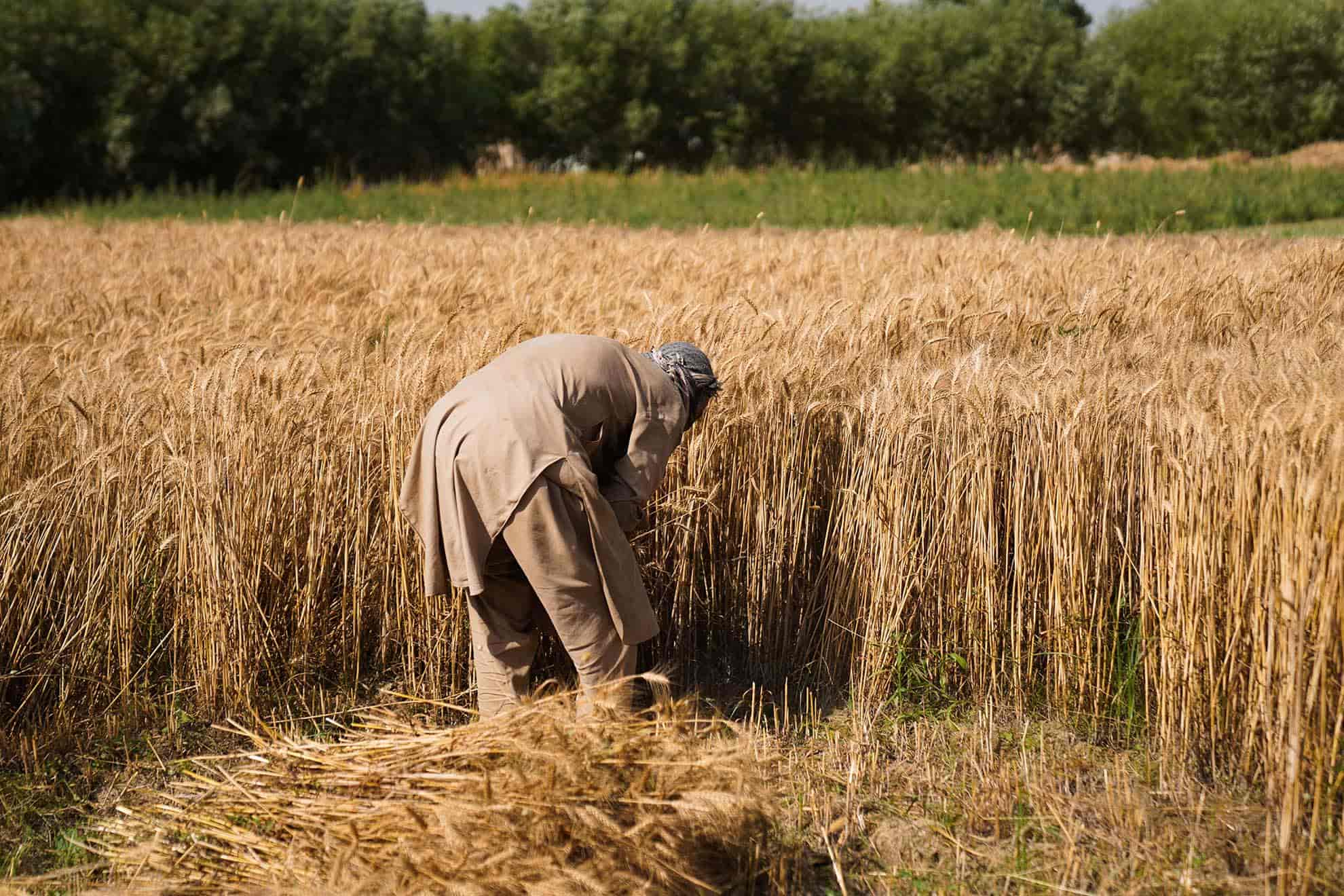
Although scientists/researchers contribute significantly to the process of creating knowledge for designing public policies (e.g. Ojanen et al., 2021 in the case of forestry; Singh et al., 2021 for food systems; Iyalomhe et al., 2013 for climate change adaptation; Balvanera et al., 2020, for ecosystems and people), traditional, Indigenous Peoples’ and place-based knowledge and perceptions are as important as science for providing contextually relevant evidence (Figure 16). SPIs should involve integrating knowledge among different disciplines and social actors. This is particularly the case with agrifood systems which are complex and not only involve various sectors, scales, and temporal scope but also more fundamental disputes among social actors about values to be promoted for enhanced sustainability and disagreement on what the problem is, who is responsible, what solutions are appropriate, and what knowledge should be brought to bear on the problem (see Section 3).
© FAO / Hashim Azizi
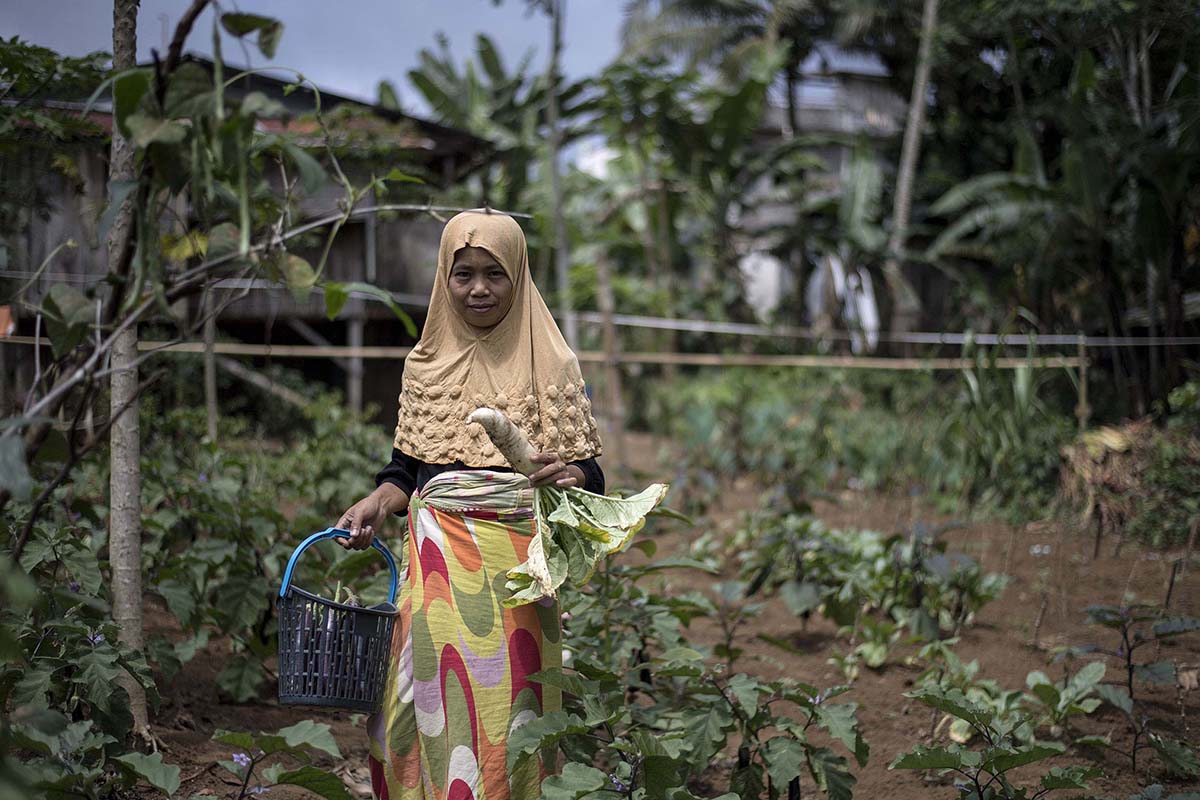
In the absence of common vocabulary,20 conceptual frameworks, indicators, information systems and research methods (all of which makes interdisciplinary systemic evidence synthesis more challenging) as well as high heterogeneity of social values, a more conventional science–policy advice approach bears the risk of perpetuating the promotion of sectoral research studies and partial perspectives. Such context warrants giving greater value to problem-focused transdisciplinary research and calls for co-creation and integration of diverse cultural understandings, requiring an approach that not only acknowledges differences but also fosters conditions for mutually beneficial collaboration. Intercultural co-creation of knowledge is the result of a process in which different ways of learning, creating, innovating, and transmitting knowledge co-exist in a safe environment, allowing conditions for new knowledge to emerge, for building bridges of understanding among cultures, for consensus building and conflict resolution (based on Rosado-May et al., 2020). A safe environment entails addressing power, respecting differences, ensuring space for disagreement, assigning equal value to diverse knowledge creation approaches, and fostering a spirit of mutual benefit among participants, where no one is exploited (see Box 16 for a successful example attributed to the coexistence of diverse ways of learning, constructing, innovating, and transmitting knowledge).
Noh Bec, an ejido (a designated/agreed area of land that is communally owned, but which can be individually used and yet not considered to be private property) in Mexico, has a multicultural composition with significant influence from the Yucatec Maya community in decision-making processes. Forest management in the Noh Bec ejido has undergone four stages: ceding control to external companies (1936–1956), independent community management (1957–1983), participation in the state-supported Plan Piloto Forestal (1984–1998) and joining efforts with five other ejidos to create the Maya Selva Alliance (1999–present). The community initially struggled to grasp the concept of sustainable development when introduced with the Plan Piloto Forestal (PPF). Through discussions, the Yucatec Maya connected sustainable development to the local concept of ka’anan kaax, signifying responsible care for nature and embodying a long-term vision. This bridged cultural understanding and aligned community values with the PPF’s goals. The success of Noh Bec is encapsulated in the expression we nurture nature because nature nurtures us. In 2012, the community earned recognition from the Mexican National Council on Forestry (CONAFOR) as an ‘ejido-school,’ providing training on sustainable tropical forest management to community foresters. Additionally, Noh Bec received the National Forestry Award and international FSC certification in 2015, as well as the FSC Leadership Award more recently (Rosado-May et al., 2023). The success in sustainably managing the forest has been the result of an effective interplay of various elements and stakeholders. This includes the revitalization of customary ejido institutions for forest governance, proactive community involvement, political support, access to information and technology, decision-making processes, and connections to financing and national and international markets. Culture, with its diverse approaches to learning and knowledge creation, plays a crucial role in shaping a community’s shared vision. The use of ka’anan kaax, closely aligned with the western concept of sustainability, served as a conceptual common ground. Despite differences in the Indigenous Peoples’ and western construction of the concepts, the shared purpose and goals emphasize the importance of cultural bridges.
Source: Rosado-May, F.J., Cuevas-Albarrán, V.B. & Jiménez-Pat, N.F. 2023. The role of shared vision and values in effective governance for natural resources conservation in a Yucatec Maya community. Policy Matters, 23: 104-120. https://portals.iucn.org/library/sites/library/files/documents/Policy-Matters-Issue-23_0.pdf
© Noel Celis
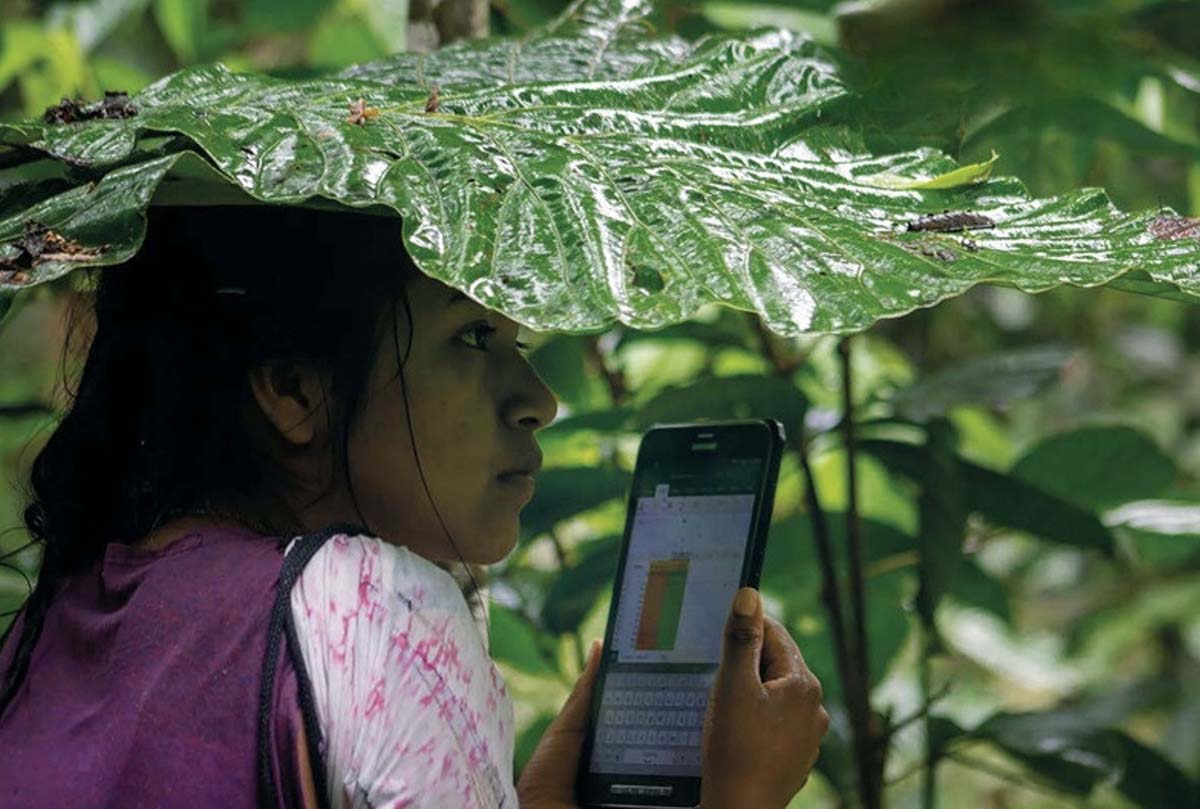
Photo credit: Daris Piaguaje, a Siona Indigenous photographer, Alianza Ceibo
Encouraging a multidirectional process in the co-creation of knowledge involves small-scale producers, Indigenous Peoples,21 scientists and others mutually contributing to the exchange. While co-creation introduces increased complexity, requiring not just an interdisciplinary but a transdisciplinary approach, it builds trust, democratizes knowledge and lays the foundation for transformative changes, fostering equity and full participation in transforming agrifood systems. It should however be recognized that fostering epistemological effectiveness in knowledge co-creation and integration can be challenging, and there is often a lack of clarity on how to operationalize such knowledge co-production (Dolinska et al., 2023), specifically how an SPI could incorporate varied local perspectives and improve community agency to engage with the SPI (see Box 17).
Special attention is needed to ensure marginalized members of the community have the resources and agency to engage fully in SPIs. Projects supporting agrifood SPIs often hold stakeholder workshops but may not fully embrace participatory approaches, especially on how to enable the hidden members of rural communities to express their views, in contexts of low literacy levels, mistrust and unbalanced power dynamics. Despite facilitation skills being critical for the SPI’s processes, often insufficient resources are dedicated to ensuring all voices are heard. Visual communication methods like community-led videos can explain sustainability issues in a relatable format and engage local communities in scientific assessments. For example, Blue Ventures, a marine conservation organization, collaborated with an octopus gleaning community in Southwest Madagascar to co-write and produce Tovo the octopus gleaner, a participatory film promoting key sustainable fishery practices (Figure 17). In Timor Leste, women from fishery communities were able to express their views on their roles, challenges and solutions for more gender inclusive fishery governance models, through a participatory photography method called Photovoice (House et al., 2024). Agricultural policymaking processes use rational, western political economy frameworks which may not reflect the worldviews of Indigenous Peoples and local communities. Specific, culturally appropriate methodologies are necessary to integrate inputs from Indigenous and local knowledge systems. For instance, the Local Indicators of Climate Change Impacts (LICCI) protocol helps record, in a systematic way, experiences and voices of Indigenous and local communities on how they are adapting to climate change (Reyes-Garcia et al., 2023), evidence which can then inform policy efforts for planning locally-led adaptation.
Sources: House, J., Amaral, N.M.S., Silva De Jesus, J., Gomes, J., Chew, M., Kleiber, D., Steenbergen, D.J. & Stacey, N. 2024. Women’s experiences of participatory small-scale fisheries monitoring in Timor-Leste. Maritime Studies, 23(1): 9. https://doi.org/10.1007/s40152-024-00352-6
Reyes-García, V., Álvarez-Fernández, S., Benyei, P., García-del-Amo, D., Junqueira, A.B., Labeyrie, V., Li, X. et al. 2023. Local indicators of climate change impacts described by indigenous peoples and local communities: Study protocol. https://journals.plos.org/plosone/article?id=10.1371/journal.pone.0279847
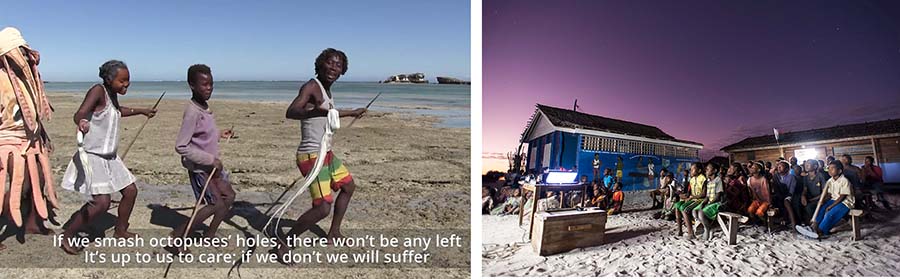
Photo credit: Louise Jasper/Blue Ventures
Establishing common ground and research methods, as well as building a mutual understanding of guiding concepts among all stakeholders involved in the research, can entail considerable investments of both time and resources. Such prior agreements are nonetheless crucial to develop trust among stakeholders before engaging in knowledge co-creation activities per se that require:
Novel technologies, including AI, may offer significant potential in supporting and streamlining evidence-informed decision-making, including facilitating and synthesizing citizen engagement and feedback, providing policy simulations, and offering near-time insights and recommendations based on data analysis (see Box 18). An AI-driven study reviewing the distribution of global research over the last 13 years found that despite a 60 percent increase in agrifood systems publications, there are very low levels of research targeting the poorest, most food-insecure, climate-vulnerable countries (Porciello et al., 2024). Nonetheless, ensuring successful application of AI requires adequate human oversight and regulations and policies to mitigate issues such as lack of transparency and strong bias.
Public sector organizations are increasingly using AI to improve public services and governance, with a focus on addressing and synthesizing data from public queries (Mikhaylov, Esteve and Campion, 2018). Qualitative processes, such as focus group interviews, are using AI to help support and improve time-intense tasks of translation, sentiment analysis, and interview coding to reduce bias and fatigue in the process (Savaget, Chiarini and Evans, 2019). AI technologies will influence societies and political systems differently. For example, decision support systems (DSS) can be an essential asset for the political decision-making process, especially in response to crisis situations to target aid more effectively, as they allow sharing critical information and assist in complex decision-making very quickly (König and Wenzelburger, 2020). These systems can analyze and comprehend complex information, uncovering trends, patterns, and correlations that would prove difficult for human analysts to identify manually. Yet data accessibility, and the growing dominance of algorithms that make autonomous decisions independent of human oversight, are expected to exert influence on political institutions (Sætra, 2023). Like any technology, however, there are challenges related to transparency, bias, surveillance and the need for careful and effective regulations to ensure its successful application as part of policy and decision-making processes. The AI divide between those who benefit from the technology and those who are primarily exploited, especially those in lower socioeconomic classes, highlights an urgent need for policies to close the gap. It is essential to address ethical, privacy, and bias concerns associated with AI deployment in policymaking to ensure equitable and responsible outcomes (UNSG’s Advisory Body on Artificial Intelligence, 2023).
Sources: König, P.D. & Wenzelburger, G. 2020. Opportunity for renewal or disruptive force? How artificial intelligence alters democratic politics. Government Information Quarterly, 37(3): 101489. https://doi.org/10.1016/j.giq.2020.101489
Mikhaylov, S.J., Esteve, M. & Campion, A. 2018. Artificial intelligence for the public sector: opportunities and challenges of cross-sector collaboration. Philosophical Transactions of the Royal Society A: Mathematical, Physical and Engineering Sciences, 376(2128): 20170357. https://doi.org/10.1098/rsta.2017.0357
Sætra, H.S. 2023. Technology and Sustainable Development: The Promise and Pitfalls of Techno-Solutionism. First edition. New York, Routledge. https://doi.org/10.1201/9781003325086
Savaget, P., Chiarini, T. & Evans, S. 2019. Empowering political participation through artificial intelligence. Science and Public Policy, 46(3): 369–380. https://doi.org/10.1093/scipol/scy064
UNSG’s Advisory Body on Artificial Intelligence. 2023. Interim Report: Governing AI for Humanity. https://www.un.org/sites/un2.un.org/files/un_ai_advisory_body_governing_ai_for_humanity_interim_report.pdf
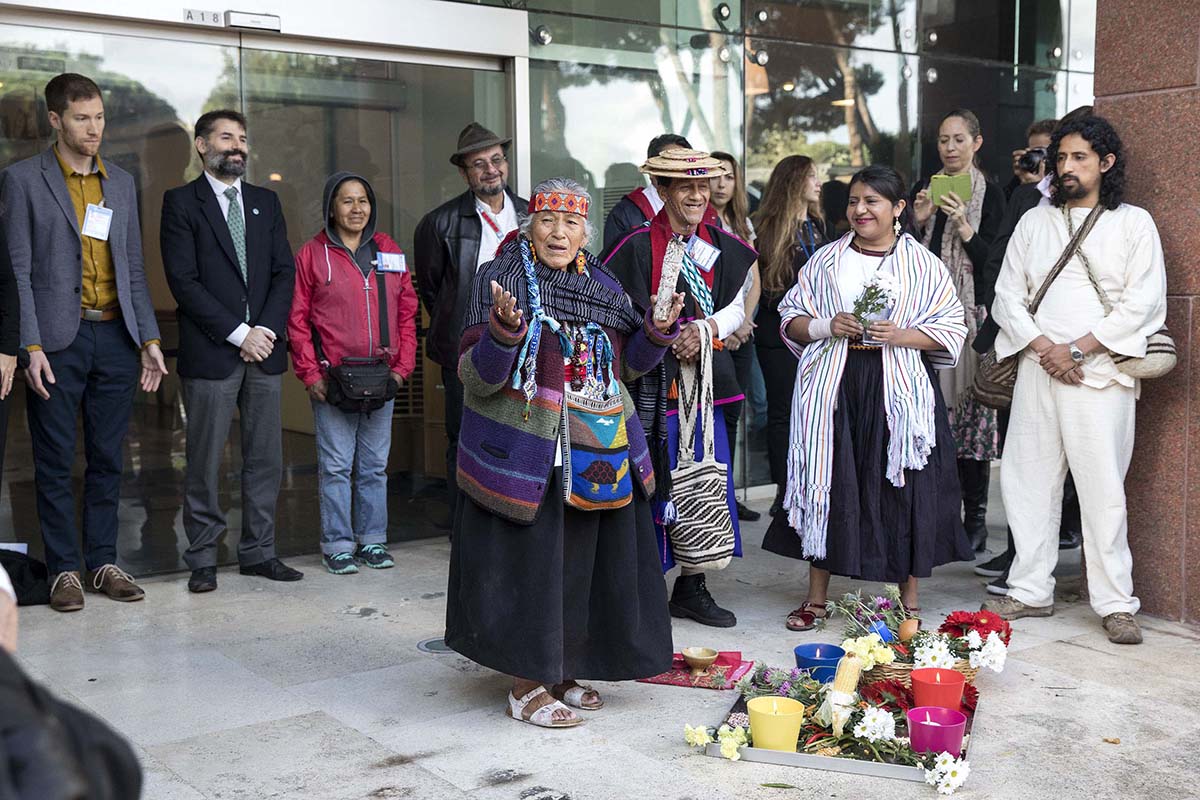
© FAO/Alessia Pierdomenico
An SPI has the potential to contribute to creating an environment that values and utilizes evidence, leading to more informed, effective, and sustainable policy decisions. Mechanisms and tools to promote evidence-informed policy mainly rely on fostering continuous engagement with decision-makers. This also involves instilling a culture of learning within the SPI through the use of knowledge in all decision-making and implementation activities, including monitoring and evaluation and regular capacity building activities. Finally, more dedicated tools such as guidance documents, best practices and methodologies for using different types of evidence could also be envisaged (see Box 19).
SPIs consider the establishment of structures and systems that facilitate the collation of evidence for decision-makers, along with support services to draw on this evidence systematically. One of these are organizations that help coordinate the commissioning, evaluation, and training of knowledgeable experts to support the development of certain types of evidence products. Several leading evidence producer organizations have been in existence for decades: Cochrane was founded in 1993, the Campbell Collaboration (which covers a range of social interventions) was launched in 1999; and the Collaboration for Environmental Evidence (CEE) was formed in 2008. All these organizations have developed standards, methods, training, technology solutions and publication platforms for their respective communities. The Juno Evidence Alliance, launched in 2022, emphasizes the creation of an evidence system that adapts the best practices developed in the health, environmental and social sciences to the unique needs in the overlapping areas of agriculture, food security and climate change. Juno is developing a suite of tools, services, and intelligence reports to help a coordinated community meet the evidence needs of funders, policymakers, agri-advisors and ultimately farmers. Concurrently, Juno aims to improve awareness among evidence users about existing evidence and its importance for informed decision-making. Together these activities are expected to contribute to strengthening the science–policy interface, establish networks of communication, and build trust in scientific evidence.

© FAO / Riccardo De Luca
Effective functioning of a national SPI depends on the ongoing and continuous development of individual, organizational and community capacities. Each of these capacity levels is a distinct area of focus that all SPIs should address. Additionally, the capacities are nested such that the three levels are mutually supportive and reinforcing. Given the aims and goals of a national SPI, capacity building efforts should ensure the even development of evidence, decision-making and brokering capacities (e.g. Gustafsson, Díaz-Reviriego and Turnhout, 2020). The following offers a brief outline of capacity components at all three levels.
Individual level capacity recognizes the need for diverse and complementary skills and abilities of the SPI participants (e.g. employees, partner representatives) to undertake the work of the SPI. At a minimum, a national SPI should consider the following questions as guides to ensure sufficient capacity is in place. If some capacities are limited or absent, the SPI could devise means and strategies to build or acquire them internally or externally (see Box 20).
A cadre of sustainability leaders is needed who can use systems thinking, transcend disciplinary boundaries, communicate effectively, engage diverse stakeholders and communities, and connect science to innovative and actionable solutions. The Food Systems Research Networks for Africa (FSNet-Africa) project is a Global Challenges Research Fund financed through a partnership between United Kingdom Research and Innovation (UKRI) and the African Research Universities Alliance (ARUA). At the heart of the model is a two-year structured research fellowship opportunity for early career researchers. The key objectives of the fellowship are to: (i) strengthen capacities to conduct impact-focused transdisciplinary research, (ii) build lasting research networks within and beyond Africa, and (iii) develop skills to translate and communicate research effectively. The fellowship adopts an integrated research and capacity development approach where the timing and content of the capacity interventions are linked to the research project implementation lifecycle and intentionally targeted at developing skills required for transdisciplinary research to solve challenges. FSNet-Africa fellowships are typically awarded to early career researchers who already hold a contract or permanent position within their institutions. The fellows thus remain embedded within their institutions while completing the fellowship. Mentorship plays a vital role in the research project and is a mechanism for networking that can lead to long-term collaboration and partnership. Stakeholder engagement is another key feature of the FSNet-Africa model, with each research team being linked to food systems stakeholders through partnership with the Food, Agriculture and Natural Resources Policy Analysis Network (FANRPAN). Continuous monitoring of the first cohort of FSNet-Africa fellows has demonstrated the value, benefit and impact of this approach. Twenty early-career researchers were selected from six countries (Ghana, Kenya, Malawi, South Africa, Tanzania and Zambia). Through this initial cohort, FSNet-Africa has established formal collaborations with ten African academic institutions and works closely with FANRPAN’s multisectoral nodes and points of contact in the six countries to implement the FSNet-Africa model.
© FAO/Aamir Qureshi
Organization level capacity comprises the abilities of the organization to enable the key activities of collaboration, learning and coherence (Section 4.2). Primary organizational capacities include governance, content, reflexive, relational and managerial capacities. Hiring professionals (including for time-bound tasks) could be considered if the existing individuals in the SPI do not represent all the required skills but these are needed at short notice.
Higher education institutions play a key role in capacity development and fostering collaboration across diverse knowledge systems (Naepi, 2019). An exemplary initiative is the Knowledge Makers Programme at Thompson Rivers University in Canada, which has effectively promoted Indigenous-led education and imbued power and value to Indigenous Peoples’ knowledge. Launched in 2016, the Knowledge Makers Programme is a collaborative teaching initiative where Indigenous students learn research methodologies and publishing skills as researchers. Each year, the programme brings together up to 20 Indigenous undergraduate students from across the university to learn how to ‘make knowledge’ through a multi-modal approach. The programme also publishes the Knowledge Makers Journal, a peer-reviewed interdisciplinary journal that showcases research from current and former Knowledge Makers, Indigenous staff, and academics, as well as ally scholars from Canada and internationally. The journal has featured a special volume including Indigenous students from the United States, Mexico, New Zealand, and Australia. Since its inception, the programme has published over 100 articles, primarily authored by Indigenous researchers, with a significant number of contributions from women. Recently, the Knowledge Makers completed a training programme in collaboration with FAO. This initiative involved 16 Indigenous women from 16 different countries, who received training and published their research in a dedicated volume of the Knowledge Makers Journal.
Source: Naepi, S. 2019. Knowledge making: indigenous undergraduate research as cultural and language revitalization. Canadian Journal of Native Education, 41(1): 85-102. https://doi.org/10.14288/cjne.v41i1.196615
The community of national, regional and global SPIs is made up of individuals and organizations that together comprise a profession with the expertise essential for undertaking effective boundary activities. A national SPI should consider itself to be an important and integral member of this broader SPI community. As a result, the national SPI bears the responsibility to enable national level staff to work across scales (both top down as well as from the bottom up), exchange training and tools important for sustaining the profession, access training opportunities, and take on leadership, teaching or other positions of visibility in the profession. An important goal for national level SPIs is to actively participate in the SPI community while simultaneously cultivating nation-specific identity focused on agrifood systems transformation at the national level.
Learning, in a wide sense, refers to the actual or prospective ability of the SPI to assimilate new knowledge and experiences, with a view to improving its overall effectiveness, relevance, credibility and legitimacy. Learning can take many forms and can be categorized in many ways, e.g. from experiential at the individual level to learning at the level of organizations (“learning organizations”).
The academic literature distinguishes formal and informal learning practices in SPIs (e.g. Obermeister, 2020 on science advisors), where the informal is more difficult to ascertain as it occurs in shadow spaces that can be difficult to observe. An important distinction could be made between the following two types of learning:
Similarly, another important distinction could be made between instrumental learning and transformational learning (Pallett and Chilvers, 2013):
The understanding of the impact of SPIs is a dynamic and evolving field. No consensus exists on a set of standardized indicators for evaluating impact across SPIs to enable comparison and draw lessons on what a successful SPI looks like. This is mainly because policy processes are complex and SPIs involve incremental, diffuse and slow-to-manifest impacts over a long period of time. In this context, conventional evaluation methods based on assessing clearly identified effects of specific interventions on pre-defined outcomes are ill-suited and even spurious.
The most common approach is informed by a simple and linear conceptualization in which knowledge informs and shapes policy (see Section 3.3). The implication of such a simplified version of SPI for impact assessment is a focus on accounting for specific policy impacts of SPI activities based on narrow indicators such as citation in policy documents. Theory-informed discussion in the literature on SPI has cautioned against such a simplified version, which does not do justice to the range of impacts according to different actors participating in SPIs (see Box 22).
Measuring such impacts requires the mobilization of a range of methods summarized in Figure 18.
Examples of impacts additional to policy impact, for example, can be captured at the following levels (Posner and Cvitanovic, 2019):
For example, co-production metrics may help assess how transdisciplinary the SPIs in any given country are (Dolinska et al., 2023).
Sources: Posner, S.M. & Cvitanovic, C. 2019. Evaluating the impacts of boundary-spanning activities at the interface of environmental science and policy: A review of progress and future research needs. Environmental Science & Policy, 92: 141–151. https://doi.org/10.1016/j.envsci.2018.11.006
Dolinska, A., Hassenforder, E., Loboguerrero, A.M., Sultan, B., Bossuet, J., Cottenceau, J., Bonatti, M. et al. 2023. Co-production opportunities seized and missed in decision-support frameworks for climate-change adaptation in agriculture – How do we practice the “best practice”? Agricultural Systems, 212: 103775. https://doi.org/10.1016/j.agsy.2023.103775
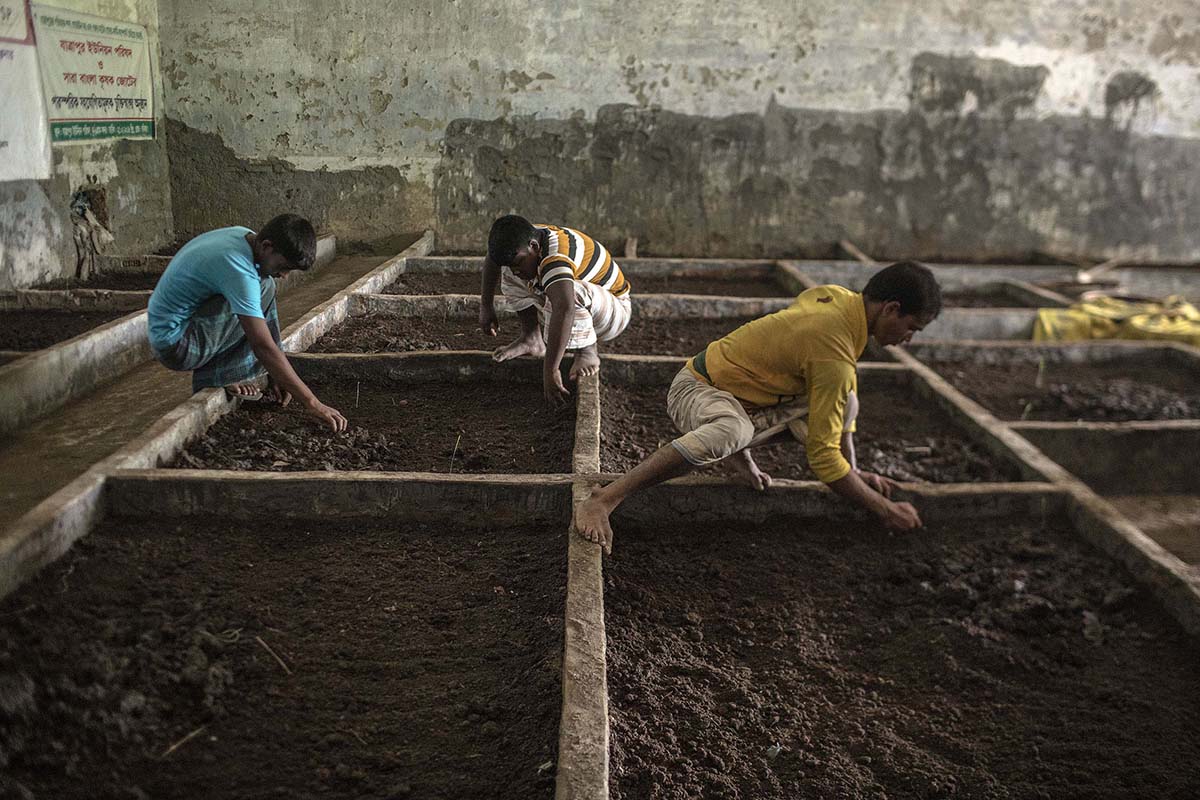
© FAO/Mohammad Rakibul Hasan
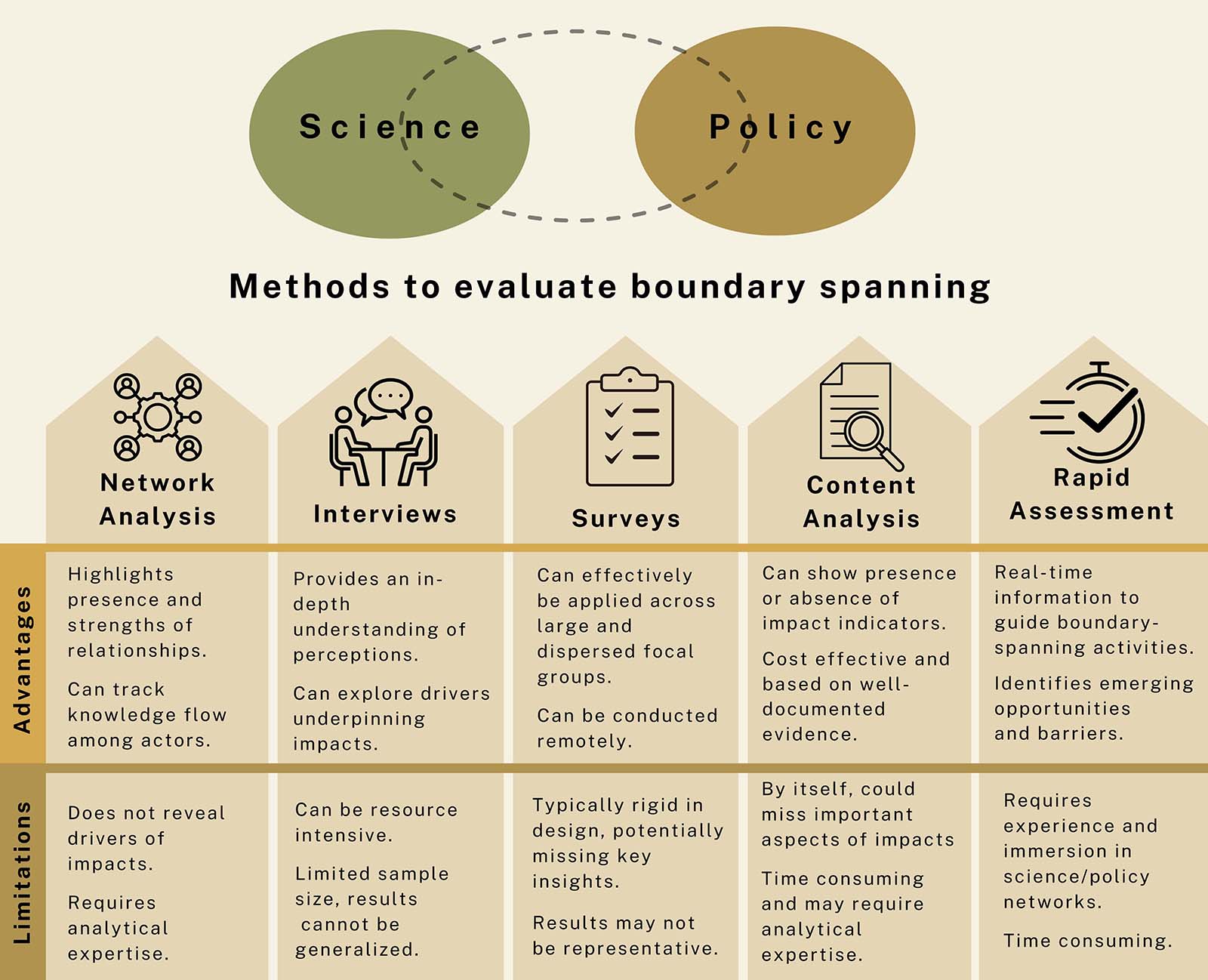
Source: Adapted from Posner, S.M. & Cvitanovic, C. 2019. Evaluating the impacts of boundary-spanning activities at the interface of environmental science and policy: A review of progress and future research needs. Environmental Science & Policy, 92: 141–151. https://doi.org/10.1016/j.envsci.2018.11.006
Finally, understanding the diversity and complexity of SPIs is crucial for strengthening their effectiveness across various policy domains (see Box 23 that highlights the significant variations in SPIs across different policy areas in Japan). By examining these differences, common challenges and opportunities for enhancing communication and best practice-sharing among sectors can be identified, ultimately improving the impact of SPIs.
Each bureaucratic unit in the Japanese government has advisory committees that offer relevant expertise, information and opinions, ultimately authorizing government policies. In contrast, Japan’s national academy has been relatively weak, with many of its recommendations unheeded. Since the 2010s, the importance of evidence-based policymaking has been emphasized, leading to the appointment of science and technology advisors to the Prime Minister and several other ministers. However, assuming uniformity in the SPI within a nation would be misleading. Recent comparative research examining SPIs across twelve policy areas in Japan reveals significant variations in how scientific knowledge and evidence are utilized (Sato et al., 2024). SPIs in fields such as chemical control, public works, and nuclear safety heavily depend on established process rules, which are sometimes too rigid. In contrast, SPIs in health/medical, school education, and science/technology exhibit more flexible collaboration between government and experts, benefiting from strong practitioner communities essential for policy implementation. Despite these differences, SPIs across various policy areas face common challenges. For example, a critical issue is synthesizing evidence from different analytical models because it is difficult to evaluate the models. Each area has developed its own methods to address these challenges, highlighting a growing need for improved communication and sharing of practices among different policy areas to enhance the overall effectiveness of SPIs.
Source: Sato, Y. et al. (eds.). 2024. EBPM: Science-Policy Interface in the Age of Data. University of Tokyo Press (in Japanese).
© FAO/Stefanie Glinski


Required citation:
FAO 2024. Guidance on strengthening national science–policy interfaces for agrifood systems. Rome, FAO. https://doi.org/10.4060/cd3125en
The designations employed and the presentation of material in this information product do not imply the expression of any opinion whatsoever on the part of the Food and Agriculture Organization of the United Nations (FAO) concerning the legal or development status of any country, territory, city or area or of its authorities, or concerning the delimitation of its frontiers or boundaries. Dashed lines on maps represent approximate border lines for which there may not yet be full agreement. The mention of specific companies or products of manufacturers, whether or not these have been patented, does not imply that these have been endorsed or recommended by FAO in preference to others of a similar nature that are not mentioned.
ISBN 978-92-5-139322-2
© FAO, 2024
Some rights reserved. This work is made available under the Creative Commons Attribution-NonCommercial-ShareAlike 3.0 IGO licence (CC BY-NC-SA 3.0 IGO; https://creativecommons.org/licenses/by-nc-sa/3.0/igo/legalcode).
Under the terms of this licence, this work may be copied, redistributed and adapted for non-commercial purposes, provided that the work is appropriately cited. In any use of this work, there should be no suggestion that FAO endorses any specific organization, products or services. The use of the FAO logo is not permitted. If the work is adapted, then it must be licensed under the same or equivalent Creative Commons licence. If a translation of this work is created, it must include the following disclaimer along with the required citation: “This translation was not created by the Food and Agriculture Organization of the United Nations (FAO). FAO is not responsible for the content or accuracy of this translation. The original [Language] edition shall be the authoritative edition.”
Disputes arising under the licence that cannot be settled amicably will be resolved by mediation and arbitration as described in Article 8 of the licence except as otherwise provided herein. The applicable mediation rules will be the mediation rules of the World Intellectual Property Organization http://www.wipo.int/amc/en/mediation/rules and any arbitration will be conducted in accordance with the Arbitration Rules of the United Nations Commission on International Trade Law (UNCITRAL).
Third-party materials. Users wishing to reuse material from this work that is attributed to a third party, such as tables, figures or images, are responsible for determining whether permission is needed for that reuse and for obtaining permission from the copyright holder. The risk of claims resulting from infringement of any third-party-owned component in the work rests solely with the user.
Sales, rights and licensing. FAO information products are available on the FAO website (www.fao.org/publications) and can be purchased through publications-sales@fao.org. Requests for commercial use should be submitted via: www.fao.org/contact-us/licence-request. Queries regarding rights and licensing should be submitted to: copyright@fao.org.
Cover photograph: © FAO/emergencies