


Biodiversity for food security, the theme of this year’s World Food Day, reflects our planet’s richness and the key to ending hunger that this great diversity represents.
However, the world’s biodiversity is under threat and this could severely compromise global food security. FAO estimates that about three-quarters of the genetic diversity of agricultural crops have been lost over the last century. As a consequence, the food supply becomes more vulnerable, there are less opportunities for growth and innovation in agriculture and less capacity for agriculture to adapt to environmental changes, such as global warming, or to the appearance of new pests and diseases.
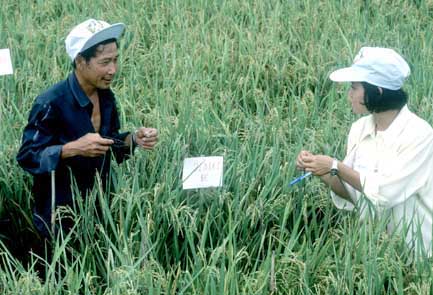
As they have done throughout history, small-scale farmers and herders are protecting and increasing the world’s stock of genetic resources. By so doing, they are making an especially important contribution to food security.
Many rural families in developing countries cannot find a sufficient variety of nutritious food in their local markets or are simply too poor to purchase them. Because of this, they must make the best use of indigenous plant varieties and animal breeds. In this regard, the fundamental role played by women farmers must be emphasized. In much of the developing world, the conservation and use of plant genetic resources have always been and remain the responsibility of women.
In the past, the contributions made by farmers in the developing world towards the preservation of agricultural biodiversity have not been properly appreciated. Today, however, their rights have been recognized and incorporated into the Treaty on Plant Genetic Resources for Food and Agriculture, which entered into force in June this year. The Treaty is a binding international instrument that:
secures the conservation and sustainable utilization of the world’s agricultural genetic diversity;
guarantees that farmers and breeders have access to the genetic materials they need; and
ensures that farmers receive a fair and equitable share of the benefits derived from their work.
Furthermore, a Global Crop Diversity Trust is being established to strengthen the capacity of developing countries to preserve agricultural biodiversity and maintain comprehensive gene banks. Increasingly, consumers are also demanding more diverse produce, thus recognizing the value of biodiversity.
FAO/L. De Matteis
Even though llivestock is making an increasingly significant contribution to food security and rural development, animal genetic diversity is also rapidly eroding. Of the 6 300 known animal breeds, 1 350 are endangered or already extinct.
Forests are among the world’s most important repositories of biological diversity but their cover is decreasing at an alarming rate. Forests provide food for families and livestock, energy in the form of fuel wood and various products such as essential oils, gums, resins and latex, and medicines and pharmaceuticals, which contribute to the diversification of the local economy.
Biodiversity in the world’s oceans, lakes and rivers also plays a vital role in food security and rural livelihoods. However, it is being threatened by over-fishing, environmentally damaging fishing practices, the introduction of alien species and habitat destruction.
Preserving biodiversity also means protecting different types of ecosystems, including those where are living insects, bacteria, microbes, fungi and other organisms, as well as bees and birds which interact in complex ways with the soil and plants. In addition, in most fields, over 90 percent of pests are killed by beneficial species thus contributing to reduce the use of chemical pesticides.
Today we are celebrating our planet’s tremendous wealth of biodiversity and the promise it holds for eliminating world hunger. For this to happen requires the commitment of everyone and, as in nature, our strength lies in our diversity.
