Part A: Purposes
Part B: Types of data
Part C: Methods of data collection
References
This module should be seen as a complement to the manual produced by ILCA on veterinary epidemiology (Putt et al, 1987),1 which deals with the basic techniques involved in the planning, monitoring and evaluation of livestock disease programmes and explains all the important definitions and concepts involved.
1 Veterinary epidemiology is the study of disease in animal populations. A population may include all animals of a particular species in the area studied, or subcategories within that species (e.g. all male stock within a certain age group).
The principles of veterinary diagnosis and the specific characteristics of the important economic diseases common in Africa (e.g. foot-and-mouth disease and rinderpest) are not discussed in this module. Such topics are covered in texts which deal specifically with African disease diagnosis and treatment (e.g. Schneider et al, 1972).
Identifying and ranking the prevalent diseases in the target area
Quantifying the effects of disease on animal production performance
Identifying the determinants of disease
The mere presence of disease2 in an area does not mean that an in-depth study of animal health issues is needed. The decisive factor is whether production itself is constrained by disease, and we can establish this by screening all the available evidence beforehand from exploratory surveys and secondary data sources (Module 1). Mortality data, in particular, will often provide an indication of the seriousness of disease problems, especially if they are supported by information from other sources (e.g. veterinary records, farmers' opinions). Data on herd/flock structures and reproductive performance may also provide supportive evidence.
2 A distinction should be made between 'disease' and 'infection'. Infection can result in: (a) no reaction but, maybe with detectable levels of antibodies; (b) subclinical infection (which may affect production but is not clinically detectable); and (c) clinical disease (where infection is clinically detectable and considerably affects production).
|
Example: A high mortality rate can be explained by the presence of certain diseases in an area. Does this imply that disease is a constraint to production, warranting further detailed study? To answer this question, we would have to decide whether: · mortality due to disease is relatively high · other causes of death are more important (e.g. nutrition,3 management practices), and · diseases (apparently prevalent4) are likely to have serious long-term consequences if left uncontrolled, in other words, whether the relative importance of disease as a constraint is likely to increase with time. Similar questions could also be asked about other performance parameters affected by disease, such as output levels, reproduction rates and condition. For instance: · Is reproductive performance relatively low? · Is disease considered to be a major contributor to low performance? · Are other factors (e.g. genetics, nutrition) considered more important? Why are they considered more important? |
3 Emphasis in this module is given to diseases caused by 'living agents' (such as viruses, bacteria, rickettsia, helminths and arthropods) and those caused by non-infectious agents (such as toxins, metabolic diseases and injury), not to diseases caused by poor nutrition. Module 6 deals specifically with animal nutrition issues.4 Prevalence is the total number of cases of a disease occurring at a particular point in time divided by the total number of individuals present in that population at that moment in time.
If preliminary enquiries indicate the need to conduct more detailed research on animal health issues, the broad objectives will then be to determine whether:
· disease is, in fact, a constraint to animal production, and· improvement in animal health is possible through vaccination, wider veterinary coverage or altered management practices at the producer level.
In order to address these objectives, we would need to:
· identify the prevalent disease(s) in the target area and rank them on the basis of predetermined criteria· quantify the effect(s) of these diseases on animal production performance, and
· identify the determinants of those diseases which have a significant effect on animal production performance.
At this point, the first task will be to identify the main diseases prevalent in the target area. Prevalence is usually measured at one point in time.5 Depending on the purpose of the study, it can be determined on the basis of species alone, or within a given species, taking into account age, sex or production function.
5 Point prevalence studies will only provide an indication of (or indicators of) diseases present at a particular time. Such studies may therefore miss important diseases which occur sporadically over time (e.g. peste des petits ruminants (PPR) in small ruminants in West Africa). It should be distinguished from the incidence rate which refers to the proportion of new disease cases in the population during a given time period (Thrusfield, 1986; Putt at al, 1987, pp. 20-23). In diagnostic systems research, prevalence rates can be estimated by once-off surveys and incidence rates by continuous surveys.
The diseases identified as being present in the area can then be ranked using one or more of the following criteria:
· proportional morbidity rate
· proportional mortality rate, and
· assumed productivity effects.
Proportional morbidity rate is the number of observed cases of a specific disease in a specified population during a specified time period (t), divided by the total number of observed cases of all diseases in that population during the time period (t).
This rate provides a numerical measure of the relative importance of disease in a target area, but it does not indicate whether the disease itself is significant in terms of its effects on livestock production.
|
Example: Suppose that an outbreak of contagious bovine pleuropneumonia (CBPP) occurs in a herd of cattle (Putt et al, 1987, p. 22). During a 6-month period there are 45 cases of different diseases, including 18 cases of CBPP. The proportional morbidity rate for contagious pleuropneumonia in that herd for the six months would then be 18/45 = 0.4 or 40%. |
Proportional mortality rate is the total number of deaths resulting from disease A in a specified population during a specified time period (t), divided by the total number of deaths in that population during that time period.
The proportional mortality rate is used for ranking purposes when mortality rates for specific diseases are known. If these mortalities are significant, the ratio can provide a useful basis especially for initial rankings.
The implicit assumption, of course, is that mortality is the criterion by which the effects of a disease on animal should be judged. Other parameters (e.g. reproductive rate, weight gain) are not considered although they may also be directly affected by disease.
For instance, a disease with a low mortality rate (i.e. one of those caused by intestinal parasites) may have a considerable effect on weight gain. It may also contribute indirectly to mortality by predisposing the animal to other sources of infection. Thus, ranks assigned on the basis of the proportional mortality rate may fail to reflect the true importance of a disease in the target area.
Furthermore, it can be very difficult to obtain reliable information on mortality and to assign deaths to specific causes, even when visits to sample households are conducted on a regular basis (e.g. by continuous surveys). This is because producers are often unwilling to divulge such information. Assigning deaths to specific diseases after the event is also likely to be fraught with problems unless the stockholder can identify diseases accurately. Methods used to collect mortality data are discussed in Module 5, together with the problems likely to be encountered.
Assumed productivity effects. When specific information on mortality is not available, the effects of disease on animal productivity can be approximated by veterinarians. Diseases can then be subjectively ranked according to predetermined criteria, such as reproductive performance, mortality rates, output levels etc. Alternatively, producers in the area be asked to identify and rank diseases according to the criteria they consider to be important (Perry et al, 1984).
Such preliminary rankings can then be used to determine future courses of action in diagnostic systems research. Diseases ranked high on the list may, for instance, be given priority in studies directed towards identifying the critical constraints to production. Others may not warrant further consideration.
It should be remembered that a mere description of the diseases present in an area is never the aim in diagnostic systems research. On the other hand, the presence of a disease does not always imply that eradication is necessary. The costs and benefits of doing so must always be taken into account, in other words, we must quantify (as nearly as possible) the effects of the disease on production and the costs associated with its effective treatment (Putt et al, 1987).
In some cases, the effects of disease will be fairly obvious and pathways for improvement will (in theory) be 'available', though not necessarily easy to choose between. To make the optimum choice we will need to consider such things as efficiency in terms of disease eradication, logistical considerations and manpower resources and the costs of implementation and administration.
For instance, East Coast fever (ECF) has obvious effects and its cause - inadequate tick control in endemic areas - is well known. Dipping and/or vaccination may appear to be the best strategies but the costs, benefits and practical implications of the various options available will need to be carefully considered before embarking on any programme for 'improvement'.
In many other cases, where effects are not clearly understood, further studies will often be needed before an appropriate strategy can be identified.
For instance, the effects of intestinal parasite infestation on productivity or on the animal's predisposition to other diseases are not always clearly understood. Detailed studies may, therefore, be necessary to quantify these effects before the need for intervention (and its mode) can be positively stated.
To quantify the effect(s) of a disease more precisely, it will often be helpful to study the relationships between:
· the prevalence rate of the disease and measures used to determine overall production performance6 (e.g. annual reproduction rate, fertility rate)· the incidence rate of the disease and changes in production performance measured on such variables as mortality rate and reproduction rate, and
· the proportional morbidity rate and production performance.
6 The methods used to measure animal production performance are discussed in Module 5. Module 12 shows how such relationships can be tested statistically.
We must not assume that disease will automatically have a significant effect on production performance,7 simply because the prevalence rate is high or because the incidence rate has increased. Such assumptions often form the basis of expensive eradication programmes which may not be justified upon further examination of the evidence.
7 Production performance is not the only criterion upon which disease control or eradication programmes should necessarily be based. sometimes other criteria (e.g. access to export markets) will be the overriding consideration in control programmes (e.g. the control of FMD disease and rinderpest in Botswana in order to maintain access to the European Common Market).
The effects of disease on production performance are illustrated in the examples below. Note that relationships such as those shown in Table 1 and Figure 1 are not always easy to establish in animal health studies. Other factors (e.g. management) may confound the results or lead to spurious conclusions (see pages 184 and 185).
When quantifying the effects of disease on production performance, the population at risk should always be correctly identified. Measures of prevalence based on the whole population are likely to give low correlation coefficients, if the disease only affects a subgroup of that population.
|
Examples: |
|||||
|
|
|||||
|
Table 1 shows that while calving rate was affected by exposure to trypanosomiasis, the effect was not statistically significant because of the large standard errors calculated. We can, therefore, conclude that trypanosomiasis does not significantly affect N'Dama production performance in Gabon. |
|||||
|
|
|||||
|
Table 1. The effect of induced trypanosome infection on the calving rate of N'Dama cows kept on a research station, Gabon, 1983 85. |
|||||
|
Number of infection |
Number of cow-years |
Calving percentage |
|||
|
|
|
X |
± |
SE |
|
|
0 |
106 |
55.7 |
|
5.18 |
|
|
1 |
61 |
55.3 |
|
6.99 |
|
|
2 or more |
75 |
38.3 |
|
8.56 |
|
|
|
|||||
|
|
Source: Ordner et al (1988). |
||||
|
|
|||||
|
Analyses such as this can, however, be used to indicate the importance of a disease in terms of its quantitative effects and whether there is need for intervention. |
|||||
|
|
|||||
|
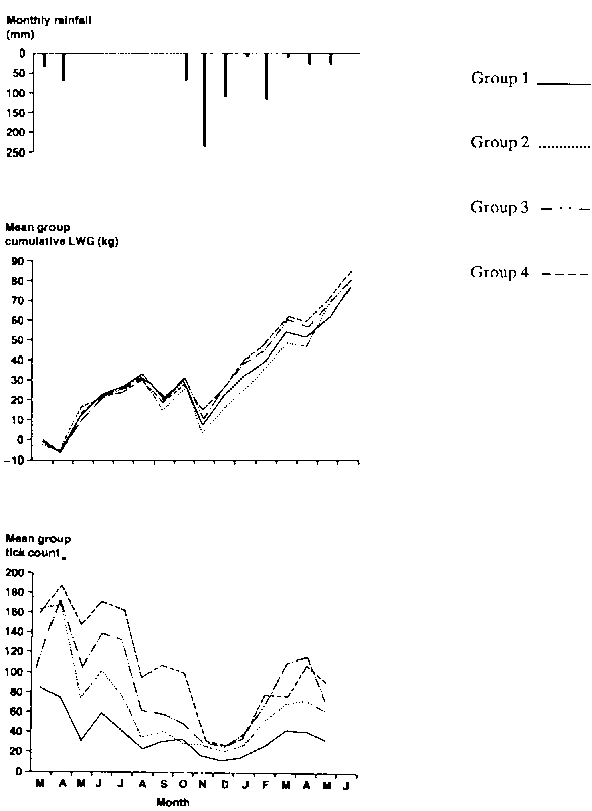
Figure 1 gives the results of an experiment conducted with 60 male weaner calves at a research ranch in Kenya. Calves were divided into four groups of 15 animals and subjected to four different tick-control treatments in order to test the effect of tick infestation on growth rates Over a period of 16 months. |
|||||
|
|
|||||
|
The treatment groups were: weekly spraying with acaricide (group 1); spraying every three weeks (group 2); spraying whenever the mean tick count reached 200 per animal (group 3); and no treatment (group 4). Tick counts were estimated on the basis of monthly means of weekly totals. |
|||||
Figure 1. Comparison of mean liveweight gains (LWG) and mean tick counts in relation to rainfall, Kenya, March 1984 - June 1985.
Source: Tatchell et al (1986).
The results of this study showed no significant difference in weight gain between the different treatment groups, and the conclusion was that the benefits resulting from control would not be sufficient to cover the costs. Other studies have, however, shown that a threshold tick burden may be reached after which significant effects on productivity can be expected (Sutherst. 1987).
Breaking down the population subgroups affected by a disease (i.e. on the basis of populations at risk), and relating productivity to the prevalence rate for that group alone (e.g. calves), will often help to improve the correlations obtained. Refining data like this can, however, be time-consuming and costly if representative samples from each subgroup are to be studied.
Furthermore, studies which determine disease prevalence on the basis of antibodies present in the sample group (see page 188) may only provide an indication of exposure to a disease agent in the past. This may bear no relationship to present production performance.
Generally, circulating antibodies bear a relationship to production performance and disease agents can be detected 1-3 weeks after exposure to the agent. However, there is considerable variation in both the time it takes to detect antibodies and in the levels of antibody which are detectable.
It is not enough to merely state the effects of a disease. This helps us to understand the magnitude of the problem, but not what are the determinants of that disease, which must be identified if realistic solutions are to be proposed.
A determinant is "any factor or variable that can affect the frequency with which a disease occurs in a population" (Putt et al, 1987, p. 6). Determinants can be broadly classified as being 'intrinsic' or 'extrinsic' in character. Intrinsic determinants are physical or physiological characteristics of the host or disease agent which are usually determined genetically. Extrinsic determinants are normally associated with some form of environmental influence. Technological interventions aimed at the control or prevention of disease are examples of extrinsic determinants.
In some cases, the mode of disease transmission is obvious, while in others a careful analysis of system linkages and relationships will be needed, since there is always a danger that inadequate knowledge of the system will lead to:
· spurious conclusions about the determinants of a disease. Such conclusions are likely to result in misplaced 'solutions' to the problem, or· a failure to account sufficiently for the impact of changes resulting from the corrective action taken.
|
Example: Take a disease for which the effects on production performance (e.g. on mortality rates) are known to be significant. Its presence is attributed to the fact that veterinary services in the area are inadequate, and the solution therefore involves a need to improve those services. However, the main determinant of the mortality observed is a low plane of nutrition due to overgrazing, which predisposes animals to infection. Rectifying the problem by concentrating on the disease itself may, in such circumstances, only have a temporary effect. Reduced mortality will increase stocking pressure and, eventually, worsen the nutritional situation. This, in turn, is likely to result in an increase in mortality rates from other causes (poor nutrition or increased susceptibility to other diseases - assuming that the first disease was effectively eradicated). A two-pronged attack involving nutritional as well as veterinary measures may, therefore, have been more appropriate in the first place. |
Of course, knowing what the determinants of a particular disease are does not always imply that a solution is possible. If the problem cannot be rectified completely, tackling the clinical signs of disease (in order to reduce the fatality rate among cases) may, sometimes, be the only appropriate course of action.
In some cases, the determinants of a health problem can be extremely difficult to identify, but attempts should nevertheless be made to do so. Thrusfield (1986) argues that investigations of this nature ideally require knowledge of disease incidence rather than disease prevalence. This is because it is easier to isolate the cause of a problem when it actually occurs rather than after it has occurred.
Prevalence measures are, however, useful during the preliminary stages of enquiry. When incidence figures are unavailable, prevalence studies which measure changes in prevalence over time can be used to indicate changes in the incidence of a disease, provided that the disease is not chronic. Prevalence surveys conducted at appropriate intervals may thus be used to substitute for the more costly and time-consuming continuous surveys.
|
Example: An example of the types of determinant-disease relationships which could be studied during the diagnostic state are the relationships between: · disease incidence and distance from watering points (i.e. does the incidence of disease increase closer to watering points?) Rationale. Watering points are frequent sources of disease carriers, particularly liver flukes and helminths. The contamination of water supplies by infected animals can often result in other animals being infected with rinderpest, foot-and-mouth disease, salmonellosis and brucellosis (Nicholson, 1987; Perry and Hansen, 1989). · disease incidence and nutrition (which is affected by the stocking rate) Rationale. Disease and nutrition are often very closely linked: low levels of nutrition may predispose animals to disease and disease can affect feed intake (Module 6). Due to this interaction, it may be difficult to identify the factor causing low production performance. · disease prevalence/incidence rates and management practices (i.e. do pastoralists who split or move their herds regularly have less problems with disease than those who do not?) Rationale. The regular movement of stock by herders is often motivated by a desire to minimise the effects of disease (Dahl and Sandford, 1978; Dahl, 1979; Swift et al, n.d.). In this context one could ask: Is management related to herd/flock size? Do those with larger herds/flocks manage their animals better? What characterises their management practices and how does this affect disease incidence/prevalence? (Module 9) · disease prevalence/incidence and the availability of veterinary services (i.e. do animals, exposed to regular dipping, perform better than animals in another area where such services are not available? Do the latter develop immunity to tick-borne diseases? What implications would this have for the proposals to widen dipping coverage? - Tatchell et al, 1986). |
At this stage it is useful to point out that a statistically significant relationship between two variables does not imply a causal relationship. Therefore, one should guard against making conclusions about causal relationships which are spurious.
|
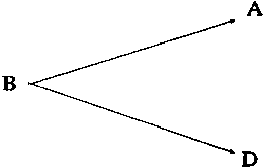
Example: Suppose that the frequency of occurrence of variable A is determined by the frequency of occurrence of variable B. which also determines the frequency of occurrence of disease D (Putt et al, p. 44). what is the relationship between variable A and disease D?
Note that although this arrangement would produce a statistically significant relationship between variable A and the disease D, the relationship is not a causal one, since altering the frequency of occurrence of variable A would have no effect on the frequency of occurrence of the disease which is determined by the variable B. Variables which behave in the way that variables A and D do are known as confounding variables and can cause serious problems in the analysis of epidemiological data. |
Thus, to avoid making spurious conclusions about causal relationships, a logical biological explanation should be found for those relationships which are found to be statistically significant. This general principle holds for the study of relationships of any kind (see also Module 10).
Data collected in epidemiological studies is typically classified as passive data (i.e. information obtained from existing or secondary data sources such as government veterinary records) and active data (i.e. data obtained from surveys and studies of various kinds).
Passive (secondary) data can be commonly obtained from veterinary records, the records of diagnostic or research laboratories, slaughter houses, and quarantine stations and checkpoints (Putt et al, 1987, pp. 46 47). These sources of secondary data are briefly described below.
Veterinary records. Provincial or district veterinary offices will often provide information on disease outbreaks and treatments or vaccines administered. If the records have been properly kept, and if the methods of investigation have been clearly specified, veterinary records can provide useful information on the important diseases and their frequency of occurrence in an area.
However, the quality of such data is often poor. Record-keeping is typically anecdotal, erratic and unreliable, or confined to historical prevalence data which are difficult to relate to a particular animal population or production system. In addition, the methods of data collection and the sampling procedures used are usually not reported.
Experience also shows that stock owners will not report disease problems if they think that restrictions on movement or selling of stock are likely to be imposed. If the prevalence of a disease in the herd/flock is low, the producer is unlikely to report its presence unless he is in frequent contact with the veterinarian.
Records of diagnostic or research laboratories. Data from such sources can provide background information on the diseases which exist in an area. Statements about disease prevalence will, however, have little relevance unless complemented by information on populations at risk, frequency of occurrence etc.
Information about when and where a particular disease has occurred can provide a useful starting point for the design of in-depth diagnostic surveys. Data from these sources tend to be limited by the research facilities available and are thus highly selective. Diagnoses can only be carried out on the material submitted, and the records obtained will often be biased by the interests of the veterinarians/researchers working in the laboratory or by the willingness of farmers to report the disease problems of their livestock.
Samples mostly come from small private or commercial producers who can afford to spend money on diagnosis. State support for sample processing tends to be confined to specific disease campaigns or surveys, which means that the data obtained rarely provide the detail needed for an assessment of the overall disease problems in an area (Perry and McCauley, 1984).
Slaughterhouses. It is rare for slaughter houses to keep disease records. Even if they do, the data collected generally relate to relatively healthy animals that have survived to slaughter and may fail to give a reliable picture of the diseases prevalent in an area. Inspectors' reports also tend to be highly variable, often failing to distinguish clearly major diseases. Properly kept records from slaughter houses can, however, be used as the starting point for the design of in-depth studies on animal health in the target area.
Quarantine stations and checkpoints. Records from these sources can provide data about the time and the location of outbreaks of such diseases as foot-and-mouth disease and contagious bovine pleuropneumonia.
Active data include data supplied by farmers, pastoralists and other informants (e.g. district veterinarians and extension officers); data obtained from laboratory analysis; and productivity data (e.g. mortality and reproductive rates).
DATA OBTAINED FROM PRODUCERS. Farmers and pastoralists (whose knowledge of diseases, their associated clinical signs and methods of treatment often closely correspond to the orthodox) can provide useful information on disease prevalence and incidence in an area. Many cattle-owning societies (e.g. the Dinka of Sudan, the Fulani of Nigeria, the Maasai of Kenya and the Oromo of Ethiopia) have particular names for the most common diseases and use their own diagnosis to identify and treat the diseases (Dahl, 1979; Halpin, 1981; Ibrahim et al, 1983; Perry and McCauley, 1984). In general, the accuracy of diagnosis tends to be greater in pastoral than in sedentary societies (Perry and McCauley, 1984).
Information provided by producers on the main diseases in an area can be used to complement surveys which rely on laboratory analysis and direct observation (see page 189). Its value will, of course, depend on the knowledge of the interviewed farmers or pastoralists about diseases, which is likely to be variable within and between systems. The data should, therefore, be cross-checked and compared with the observations of local veterinarians and with data obtained from secondary sources (see these two pages 186-187) or surveys (e.g. sentinel-herd studies- see pages 190 and 194).
DATA OBTAINED FROM LABORATORY ANALYSIS. Where access to reliable laboratory facilities is assured, three types of surveys and studies may be conducted to obtain information about disease prevalence or incidence in an area (Table 2). They are:
· serological surveysThese surveys are conducted to determine previous exposure to a disease. Previous exposure is determined by the presence or absence of antibodies in the serum of selected sample animals. Serological surveys do not provide an indication of when an animal has been exposed to a disease and are, therefore, of doubtful value in the identification of determinants.
· identification of disease agents
In these studies, samples are taken to isolate the disease agent(s) responsible. Disease agents can be classified as 'living' or 'non-living'. Living agents include viruses, bacteria, rickettsia and helminths, and their identification in discussed below Non-living agents include heat, cold, nutrients, toxic substances etc.
· indicative sampling
These studies are conducted to indicate the probable cause(s) of a disease in an area, without isolating its specific agent. An indication of the presence or absence of a particular disease in the animal population concerned is obtained from so-called 'indicator samples'.
Table 2. Types of tests necessary for laboratory analysis and examples of diseases or disease agents which can be indicated by such analysis.
|
Survey category |
Test or sample |
Disease or disease agent |
|
Serological surveys
|
Complement fixation test |
Brucellosis |
|
Indirect fluorescent antibody test |
Babesiosis |
|
|
ELISA test |
Rinderpest |
|
|
Agent
|
Blood in anticoagulant |
Viruses (e.g. in Rift-valley fever) |
|
Blood smears |
Trypanosomiasis, babesiosis |
|
|
Faecal samples |
Gastro-intestinal nematodes, salmonella |
|
|
Ulterine discharges |
Brucellosis |
|
|
Skin scrapings |
Dermatophilosis |
|
|
Biopsies |
Theileria parva (from lymph-node biopsies) |
|
|
Milk samples |
Mastitis |
|
|
Urine discharges |
Leptospira |
|
|
Ectoparasites |
Ticks |
|
|
Red and white bloodcell counts |
Haemoparasites |
|
|
Discharges (presence of inflammatory cells) |
Bacterial infections |
|
|
Skin scrapings |
Tuberculosis |
|
|
Milk samples (white-cell counts) |
Mastitis |
|
|
Urine (presence of haemoglobin) |
Babesiosis, anaplasmosis |
The methods used to carry out the types of tests shown in Table 2 are covered in standard veterinary texts which deal specifically with disease diagnosis and treatment (i.e. Thrusfield, 1986; Martin, 1988; Hancock et al, 1988).
Serological surveys can be used to provide an indication of the proportion of animals at risk in the population, but they may tell us nothing about the actual time of exposure to a particular disease or its incidence. The presence of antibodies in serum samples can, however, be used to give an indication of the seriousness of a disease problem and the need for intervention. By stratifying the population on the basis of age and/or sex, precise information can be obtained on population groups which are at greatest risk to a given disease.
|
Example: A low prevalence of antibodies for tick-borne diseases (e.g. 20%) is likely to cause considerable concern if the cattle in a tick-infested area are predominantly of exotic origin. |
When serum samples are taken it is normal to do antibody tests for more than one disease. Serum sampling is, however, suitable only for certain diseases (e.g. rinderpest, babesiosis, anaplasmosis and theileriosis).8 Even then, false negative and positive results can occur (e.g. when animals show a natural or induced tolerance to antigens and, therefore, do not produce antibodies when challenged with the disease agent). The terms used to describe the reliability of diagnostic tests of this nature are discussed in detail by Putt et al (1987, pp. 40-42) and Martin (1988).
8 Serological tests are generally unsuitable for diseases which cause localised infection, e.g. blackleg, trichomoniasis. Tests for heartwater are in the process of being developed.
Identification of disease agents. In tropical environments, blood smears and faecal samples are most commonly used to detect disease agents.
Blood smears are used to detect blood parasites actually present in the host. Such samples are commonly used for the detection of trypanosome, babesia, theileria and anaplasma parasites. One of the chief problems with this type of diagnosis is that while parasites are often easily detectable during the early stages of infection, they may be less so later on (e.g. during the transmission stage). The time at which samples are taken is, therefore, of great importance. Furthermore, even if a parasite has been identified as being present, this is not necessarily indicative of the presence of clinical disease caused by it, as 'carrier' animals are not uncommon.
Faecal samples are collected to obtain information on gastro-intestinal helminths (worms). From the samples taken, eggs are counted and identified. Egg counts should be interpreted with caution because:
· helminth eggs are almost always present in faeces. The number of eggs found should, therefore, be related to what is considered 'normal' for the animal and to the pathogenicity of the worm species identified.· some worm species are prolific egg producers but are relatively harmless, while others can be extremely pathogenic before egg counts reach high levels. Deaths from Haemonchus, for instance, may occur well before faecal egg counts reach noticeable levels.
PRODUCTIVITY DATA. The collection of disease data will often involve the need to collect information about production performance in order to establish the types of relationships discussed in Part A. The type of data collected will depend on the purpose of the study and the nature of the disease(s) found in the target area. The collection of animal production data is discussed in Module 5.
This part of the module focuses on the collection of 'active' data for the diagnosis of animal health problems in livestock systems research. It does not discuss the principles involved in the collection and interpretation of secondary or passive data since these are dealt with in Part C of Module 1 (Section 1). The principles of sample collection and questionnaire design for the types of survey discussed below are discussed in Part C of Module 2 (Section 1).
There are essentially two methods involved in the collection of active data for the diagnosis of disease problems. They are:
· Recall methods, which use once-off survey questionnaires to elicit information from stockholders, veterinarians or extension agents about disease prevalence in an area. Recall surveys are often carried out to indicate directions for more detailed research involving direct observation methods.· Direct observation methods, which involve field observations and taking laboratory samples to confirm the prevalence or incidence of disease in an area and to identify its determinants. Direct observation is often used to validate the findings of questionnaire surveys (Perry et al, 1984).
Epidemiological studies of this nature are typically classified as cross-sectional, retrospective and prospective studies.
Cross-sectional studies are surveys in which sample herds or flocks are chosen to determine the presence or absence of a given disease at a particular point in time, or to identify its effects and determinants. They may be run in conjunction with recall surveys to confirm the statements made by farmers or pastoralists during interviews. Where necessary, access to adequate laboratory facilities should be ensured beforehand.
Retrospective studies aim to compare the frequency of occurrence of a determinant in two groups of animals ('case' and 'control' i.e. those which have been diseased and those which have not) by using data obtained from historical records/observations (Putt et al, 1987, p. 28). They are also known as case-control studies.
Prospective studies are aimed at establishing relationships between diseases and their determinants by monitoring changes as they occur. Animals are normally separated into groups (or 'cohorts') in which the determinant of the disease is either present or absent or where its frequency of occurrence varies. The incidence rate of the disease in the cohorts is then compared. 'Sentinel' herds may also be used for continuous studies of this nature.
For each type of study, complementary data on animal production performance (Module 5) will have to be collected in parallel or separate surveys if the effects of a disease are to be properly understood. To identify the determinants of a disease, other types of data (e.g. on stocking rates, seasonal rainfall etc) will also need to be collected.
Where farmers/pastoralists have precise knowledge of the diseases present in the area, surveys based on recall can be a useful starting point in the study of animal health problems. The aim would be to obtain a rapid impression of disease prevalence (rather than incidence) and to rank diseases or disease syndromes according to the criteria which producers consider important (e.g. on the basis of losses which have occurred).
The information about diseases or syndromes which commonly occur is likely to be reasonably reliable if well informed producers/informants are interviewed (Perry and McCauley, 1984). Data on diseases and syndromes which occur infrequently are likely to be inaccurate, especially if the recall period is long.
To improve recall, questions asked about disease prevalence should relate to a specific time period. Questions such as "Have you ever seen such and such a disease?" or "How many calves died of this disease?" are not going to produce reliable results (Module 2, Section 1). Perry and McCauley (1984) note, however, that surveys with a specific recall period can produce misleading results if diseases which rarely occur happen to have been important in the year of the survey. Any disease control programme designed on the basis of such results will, naturally, fail to address the real situation.
The reliability of recall data can be greatly improved by selecting informants with direct responsibility for the animals surveyed. For cattle, this is generally a man and the head of the household. For smallstock, women will often provide the most reliable information (Mares, 1954).
Note: To determine whether the information obtained is reliable, consistency checks with secondary data sources or informant interviews are advisable. If sentinel surveys are run in conjunction with recall surveys (see below), the data collected from both sources can be compared for validation purposes (Perry et al, 1984). To date, however, few attempts have been made to validate the findings of recall surveys (Perry and McCauley, 1984).
Recall surveys can be designed to examine only disease problems (see examples of questionnaires in Appendix). Alternatively, disease may be studied in conjunction with a whole range of livestock- and management-related issues (e.g. nutrition, animal production, herd structure and household characteristics) in order to determine its relative importance for future diagnostic research. Case studies which have used recall surveys for disease surveillance are documented by Schwabe and Koujok (1981), Sollod and Knight (1983), McCauley et al (1983) and Perry et al (1984).
Direct observation is applied in cross-sectional, retrospective and prospective studies.
Cross-sectional studies. As was stated above, these studies are useful in establishing the presence or absence of a particular disease. Because they are normally once-off surveys, cross-sectional studies cannot provide data on changes over time (i.e. incidence rates). They will measure incidence only when the disease is of short duration and current presence or absence is measured rather than previous illness (Perry, 1988).
For some diseases, laboratory samples will need to be taken to confirm observed prevalence. For others, where the clinical symptoms are obvious (e.g. heartwater), collection of laboratory samples is not necessary and records can be made in the field. At the time of data collection, it is also useful to record productivity data for each sample animal. These data can then be used to determine the effects of disease on animal condition, progeny history etc (Module 5).
When selecting sample herds or flocks, care should be taken to choose units which are representative of the system under study or recommendation domain (Modules 1 and 2, Section 1). Too often, cross-sectional surveys fail to distinguish producers on the basis of system of production, defining the sample frame only in terms of political or administrative boundaries (e.g. veterinary districts). This can result in spurious conclusions about the determinants of disease, since these normally relate to management practices or production systems, not to the boundaries within which animal disease control is administered.
Another general principle is that if disease prevalence within a system appears to be related to factors such as herd size, the population should be stratified accordingly (Perry and McCauley, 1984). Stratified sampling techniques are discussed in Part C of Module 2 (Section 1).
Once the boundaries of the system (or strata within a system) have been identified, the size of the animal sample needed should be estimated, taking into account the objectives of the study as well as cost, manpower resources and logistics. Cross-sectional studies of prevalence will normally aim to:
· detect whether or not a disease is in fact present in a group of animals (or if it is known to be present), and· determine the actual prevalence rate (i.e. the proportion of animals actually affected by or exposed to the disease).
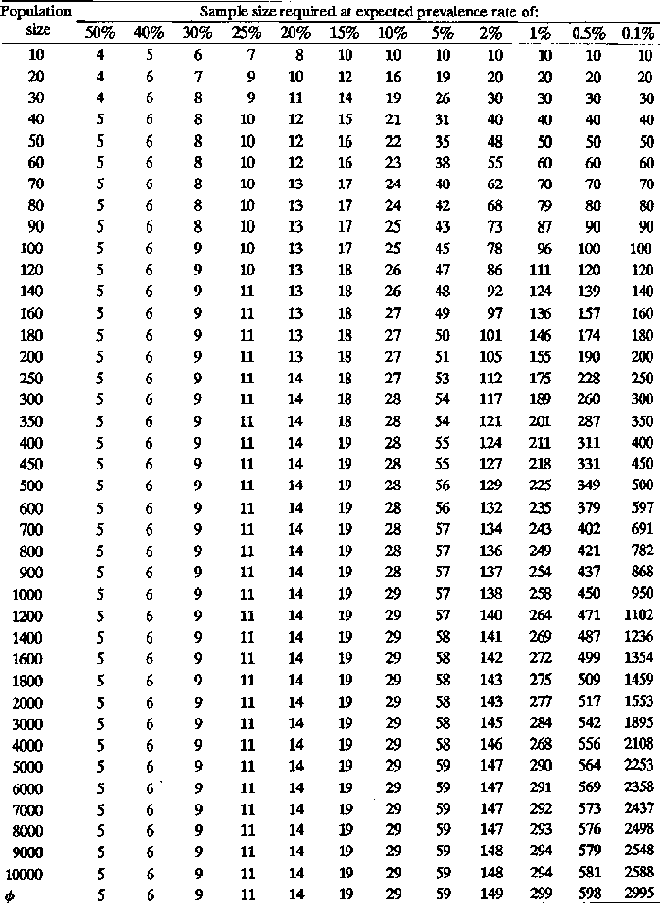
The number of animals that will need to be sampled will differ in each case. Table 3 gives the sample size required for the detection of a disease when we wish to be 95% confident that that disease is in fact present in the chosen animal population, i.e. that there will be at least one positive case detected in the sample.
To calculate the sample size required, we need to know the actual population size and the expected proportion of animals affected (or should be able to estimate the proportion with reasonable accuracy9). The sample sizes shown in Table 3 are based on population sizes and expected prevalence rates obtained from preliminary enquiries.
9 In Africa, statistics on animal populations are, however, notoriously unreliable. Moreover, it is very difficult to estimate population size in systems where households are either widely dispersed or highly mobile. If guesstimates are used instead, they should be conservative to ensure that a sufficiently large sample is chosen.
Note that the size of sample required declines with increasing proportions of expected positive cases in the population. When, on the other hand, the expected prevalence rate is low, large samples are required to merely confirm the presence of a disease.
Source: Adopted from Cannon and Roe (1982).
Table 4 shows the sample sizes required to estimate prevalence rates. To calculate the sample size, one would need to know the expected proportion of animals affected by the disease, the 'tolerable error' in the estimate obtained (i.e. the degree of absolute precision desired), and the level of statistical confidence required.
|
Example: If the population of animals under study is 400 and 2% of these are thought to be affected by a particular disease, the sample required to confirm the presence or absence of that disease would be 124 animals. However, if the expected proportion of positive cases were to increase to 10%, 28; animals would need to be sampled. |
The example below demonstrates how sample sizes shown in Table 4 have been calculated.
|
Example: If we expect that 10% of animals in the population are affected by a disease and we wish to be 95% confident that the estimated prevalence rate is accurate with a + 10% absolute precision, we would need to sample 35 animals. |
Table 4. The approximate sample size required to estimate disease prevalence in large populations.
|
Expected prevalence |
Confidence level: 90% |
95% |
99% |
||||||
|
Tolerable error |
Tolerable error |
Tolerable error |
|||||||
|
10% |
5% |
1% |
10% |
5% |
1% |
10% |
5% |
1% |
|
|
10% |
24 |
97 |
2435 |
35 |
138 |
3457 |
60 |
239 |
5971 |
|
20% |
43 |
173 |
4329 |
61 |
246 |
6147 |
106 |
425 |
10616 |
|
30% |
57 |
227 |
5682 |
81 |
323 |
8067 |
139 |
557 |
13933 |
|
40% |
65 |
260 |
6494 |
92 |
369 |
9220 |
159 |
637 |
15923 |
|
50% |
68 |
271 |
6764 |
96 |
384 |
9604 |
166 |
663 |
16587 |
|
60% |
65 |
260 |
6494 |
92 |
369 |
9220 |
159 |
637 |
15923 |
|
70% |
57 |
227 |
5682 |
81 |
323 |
8067 |
139 |
557 |
13933 |
|
80% |
43 |
173 |
4329 |
61 |
246 |
6147 |
106 |
425 |
10616 |
|
90% |
24 |
97 |
2435 |
35 |
138 |
3457 |
60 |
239 |
5971 |
Note that for a given expected prevalence rate and confidence level, the sample size required increases markedly as the tolerable error diminishes.
Source: Adapted from Cannon and Roe (1982).
When the sample size required to detect differences in prevalence has been estimated, we can then attempt to test statistically various determinant - disease relationships. The types of statistical tests used are given in Putt et al (1987, pp. 59-64) and in Module 11 of this Section.
|
Example: Suppose that we wish to study the effects of management system on disease prevalence. To do that we will select samples of animals from different systems on the basis of assumed prevalence rates, using a prescribed statistical confidence interval and a tolerable error in the actual estimate. The chi-square test can then be used to test whether sample prevalences are statistically different between the different management systems/herds identified (Module 11). If they are, the implication is that the determinant of the disease is related to the management system adopted. The systems research team would then need to search for those differences in management which explain differences in disease prevalence in order to identify possible avenues for improvement. |
Retrospective studies. Retrospective studies use existing data and are, therefore, relatively cheap and quick (Putt et al, 1987, pp. 28-29). The method is particularly for studying diseases of low incidence. Data can be accumulated over time and analysed at a later date when sufficient cases and controls have been identified and properly matched. However, for the analysis to be meaningful, the recording and diagnostic systems used must be standardised (Perry, 1988), which may not be always the case in Africa.
In practice, retrospective studies are rarely conducted in Africa because of the difficulties involved in obtaining reliable and consistent historical data. Even if data had been collected properly, it is difficult to check their reliability because information about the data collection methods used and the populations sampled is rarely documented.
Moreover, available records are typically confined to the frequency of occurrence of the determinant in diseased (case) animals only. Separate studies often need to be conducted to determine the frequency of occurrence of the same determinant in healthy animals, and it is highly unlikely that the two data sets will be comparable. This makes it difficult to ascertain whether confounding variables are distorting the analysis. Retrospective studies which aim to isolate the determinants of a disease must therefore be treated with extreme caution.
Prospective studies. Continuous prospective studies permit the observer to obtain detailed information about diseases as they occur (i.e. about disease incidence). This improves the chances of identifying determinants correctly (Thrusfield, 1986) and of recording effects accurately (Module 5). Sentinel herd studies fall into this category. They involve following sample herds/flocks for observation purposes and have been shown to be useful when the findings of recall surveys need to be confirmed. They can also be used to obtain continuous data on management practices and performance levels.
Prospective studies should be carefully planned at the outset to ensure that only the data needed are collected. The cohorts used for comparison should be of the same age, sex and productive function, if the comparison of the disease/determinant and disease/effect relationships selected for study is to be meaningful.
Because one has to follow groups of animals over time, prospective surveys tend to be costly and time-consuming, particularly for rare diseases which require large samples to be detected. The high cost of continuous monitoring usually means that small non-representative samples are chosen for study:
To mitigate the problem, point prevalence surveys may be undertaken to track changes in prevalence over time and thereby provide an indication of changes in the incidence of a disease. Such studies would, in effect, be like taking a series of disease prevalence 'snapshots' throughout the year, using each time methods applicable to cross-sectional surveys.
Another problem often associated with prospective studies is the difficulty of ensuring the cooperation of producers over prolonged periods, particularly when there is no incentive for producers to do so. This tends to affect the reliability of the results (see 'Continuous recall survey') sections in Modules 3 and 5. Producer cooperation may also not be forthcoming when sample animals are exposed to different treatments (e.g. vaccinated/not vaccinated). This occurred, for instance, in ILCA's study of the effects of vaccination against peste des petits ruminants on the productivity of small ruminants in southeast Nigeria.
In pastoral systems, where herds are highly mobile, logistical considerations often make prospective surveys and sentinel herd studies impractical. There are, however, examples of successful sentinel studies used for livestock systems research in Africa (Fadlalla and Cook, 1985).
The advantages and disadvantages of the different types of observational studies used in veterinary epidemiology are summarised in Table 5.
Table 5. Comparison of the relative merits of observational studies.
|
Advantage |
Disadvantage |
|
Cross-sectional studies |
|
|
· Relatively quick to set up |
· Large samples needed for rare diseases |
|
· Relatively inexpensive |
· Cannot compare incidence in exposed and unexposed animals |
|
· Require comparatively few animals |
· Disease/determinant relationships may be difficult establish |
|
· May be able to use current records |
|
|
· When random samples are used they can estimate the proportion of the exposed (or unexposed) population |
|
|
Advantage |
Disadvantage |
|
Retrospective studies |
|
|
· Good for rare disease conditions |
· Cannot estimate the proportion of the population currently exposed (unexposed) to determinants |
|
· Relatively quick and cheap |
|
|
· Require comparatively few animals |
· Rely on historical records |
|
|
· May be difficult to select controls |
|
|
· Cannot compare incidence in exposed populations |
|
|
· Difficulties associated with the study of determinants when case and control animals are from different populations |
|
Prospective studies |
|
|
· Can estimate incidence in |
· Cannot estimate the proportion of the exposed/unexposed animal population exposed/unexposed to determinants when non-random samples are used |
|
· Can choose variables to be systematically recorded including data on animal productivity etc |
· Require larger samples to study rare diseases |
|
|
· Relatively expensive and time-consuming |
|
|
· Problems with producer cooperation |
Sources: Adapted from Thrusfield (1986) and Perry (1988).
A once-off recall survey of disease problems
In a study in Zambia on the health and productivity of traditionally managed cattle (Perry, 1982), once-off recall surveys were used to elicit information from farmers and pastoralists on disease problems in their herds. A list of 19 syndromes/diseases suspected to be present in cattle in the area was compiled. Using this list, respondents were asked10 to:
· grade the listed syndromes/diseases into four categories - non-existent, present but no problem, moderate problem or severe problem;· Indicate the total number of deaths in their herds for a specific period of time, and how many animals died of any of the syndromes/diseases listed;
· indicate which other syndromes/diseases have caused death in their herds during the specified period; and
· indicate the four most common causes of death by disease for cattle.11
10 A similar approach to eliciting information on animal disease was used by a research team working with Maasai pastoralists in Kenya (Waghela et al, 1983).
11 One should not assume that disease is the only major cause of death; therefore, death resulting from causes other than disease should also be ascertained at this stage.
The format of the questionnaire which was designed to record the answers to these questions is shown overleaf.
Note: For questionnaires of this type, local terms should be used for the diseases/syndromes listed. A preliminary survey with a small sample of farmers, pastoralists or other informants may be needed to obtain the most commonly used local terms. The survey should be specific about the recall period to ensure that the health problems studied are put in their proper perspective, e.g. regarding rainfall (and, therefore, nutrition), vector prevalence etc.
|
QUESTIONNAIRE | ||||
|
| ||||
|
Q1: How serious have each of the following diseases/syndromes been in your herd since this time last year? Tick the appropriate column for each disease/syndrome listed. | ||||
|
| ||||
|
|
Non-existent |
Present but no problem |
Moderate problem |
Serious problem |
|
Ill thrift | ||||
|
Depression | ||||
|
Loss of appetite | ||||
|
Sudden death | ||||
|
Diarrhoea | ||||
|
Subcutaneous oedema | ||||
|
Coughing | ||||
|
Nasal discharge | ||||
|
Excess lachrymation | ||||
|
Nervous symptoms | ||||
|
Abortion | ||||
|
Calving difficulties | ||||
|
Mastitis | ||||
|
Lameness | ||||
|
Senkobo | ||||
|
Blackleg | ||||
|
Pink eye Red water | ||||
|
Presence of ticks | ||||
|
| ||||
|
Q2: Of the total number of deaths in your herd since this time last year, how many animals died of any of the diseases/syndromes listed above? | ||||
|
| ||||
|
Disease |
Number of deaths | |||
|
|
|
|
|
|
|
|
|
|
|
|
|
|
|
|
|
|
|
|
|
|
|
|
|
| ||||
|
Q3: What other diseases/syndromes caused deaths in your herd since this time last year? | ||||
|
| ||||
|
Q4: List, in order of importance, the four most important causes of death in your herd since this time last year Select the four diseases from the diseases/syndromes listed under question 1 and from the other causes of death you mentioned | ||||
|
1. | ||||
|
2. | ||||
|
3. | ||||
|
4. | ||||
Cannon RM and Roe RT. 1982 Livestock disease surveys: A field manual for veterinars. Bureau of Rural Science, Department of Primary Industry; Australian Government Publishing Service, Canberra, Australia. 33 pp.
Dahl G. 1979. Suffering grass: Subsistence and society of Waso Borana Department of Social Anthropology, University of Stockholm, Sweden. 287 pp.
Dahl G and Sandford S. 1978. Which way to go? A study of people and pastoralism in lsiolo District in Kenya. Canadian International Development Agency and International Livestock Centre for Africa, Ottawa, Canada. 236 pp.
Fadlalla B R and Cook H. 1985. Design and implementation of in-herd/on-range trials: Use of sentinel herds. In: Nordblom T L Ahmed A E K H and Potts G R (eds) Research methodology for livestock on-farm teals. Proceedings of a workshop held at Aleppo, Syria, 25-28 March 1985. IDRC (International Development Research Centre), Ottawa, Canada. pp. 133-151.
Halpin B. 1981. Vets - barefoot and otherwise. ODI Pastoral Network Paper 11c. ODI (Overseas Development Institute), Agricultural Administration Unit, London, UK. 7 pp.
Hancock D D, Blodgett D and Gay C C. 1988. The collection and submission of samples for laboratory testing. In: The veterinary clinics of North America: Food animal practice Investigation of disease outbreaks and impaired productivity. Vol. 4, No. 1. W B Saunders Co., Philadelphia, USA. pp. 33 60.
Ibrahim M A, Nwude N. Aliu Y O and Ogunsusi R A. 1983. Traditional concepts of animal disease and treatment among Fulani herdsmen in Kaduna state of Nigeria. ODI Pastoral Development Network Paper 16c. ODI (Overseas Development Institute), London, UK 6 pp.
Mares R G. 1954. Animal husbandry, animal industry and animal disease in the Somaliland Protectorate. II. Animal industry. British Veterinary Journal 110(11):470-481.
Martin S W. 1988. The interpretation of laboratory results. In. The veterinary clinics of North America: Food animal practice. Investigation of disease outbreaks and impaired productivity. Vol. 4, No. 1. W B Saunders Co., Philadelphia, USA. pp. 61-78.
McCauley E H, Tayeb A and Majid AA. 1983.. Owner survey of schistosomiasis mortality in Sudanese cattle. Tropical Animal Health and Production 15(4):227-233.
Nicholson M J. 1987. The water requirements of livestock in Africa Outlook on Agriculture 14(4):156-164.
Ordner G, Colardelle C, d'Ieteren G, Dumont P, Itty P, Jeannin P. Leak S G A, Maehl J H H. Nagda S M, Paling R W, Rarieya J M, Thorpe W, Trail J C M and Yangari G, 1988. Health and productivity of trypanotolerant and susceptible cattle exposed to trypanosomiasis in Gabon and the impact of strategic chemoprophylaxis. In: Livestock production in tsetse affected areas of Africa. Proceedings of a meeting held in Nairobi, Kenya, 23-27 November 1987. ILCA (International Livestock Centre for Africa) and ILRAD (International Laboratory for Research on Animal Diseases), Nairobi, Kenya. pp. 310-317.
Perry B D. 1982. Animal disease control, Zambia Health and productivity of traditionally managed cattle: Results of a questionnaire survey. FAO, Rome, Italy. 63 pp.
Perry B D. 1988. The design and use of supportive epidemiological studies. In: The veterinary clinics of North America Food animal practice. Investigation of disease outbreaks and impaired productivity. Vol. 4, No. 1. W B Saunders Co., Philadelphia, USA. pp. 97-108.
Perry B D and Hansen J (eds), 1989. Diagnosis and control of disease and low productivity caused by intestinal parasites in sub-Saharan Africa ILCA (International Livestock Centre for Africa) and ILRAD (International Laboratory for Research on Animal Diseases), Nairobi, Kenya.
Perry B D and McCauley E H. 1984. Owner interview surveys as a basis for estimating animal productivity and disease impact in developing countries Proceedings of the symposium of the Society for Veterinary Epidemiology and Preventive Medicine, University of Edinburgh, Edinburgh, UK. pp. 54-62.
Perry B D, Mwanaumo B. Eicher E and Zaman M. 1984. A study of health and productivity of traditionally managed cattle in Zambia. Preventive Veterinary Medicine 2:633-653.
Putt S N H. Shaw A P M, Woods A J. Tyler L and James A D. 1987. Veterinary epidemiology and economics in Africa: A manual for use in the design and appraisal of livestock health policy. ILCA Manual 3. ILCA (International Livestock Centre for Africa), Addis Ababa, Ethiopia. 130 pp. [Translated into French]
Schneider J. Lindner KE and Burckhardt A. 1971 Animal diseases in tropical and subtropical regions: Fundamentals of control. Edition Leipzig, Leipzig, GDR. 176 pp.
Schwabe C W and Koujok I. 1981. Practices and beliefs of the traditional Dinka healer in relation to modern medical and veterinary services for the southern Sudan. Human Organisation 40:231-238.
Sollod A and Knight J. 1983. Veterinary anthropology: A herd health study in central Niger. Proceedings of the Third International Symposium in Veterinary and Economics. Veterinary Medicine Publishing Company, Edwardsville, Kansas, USA.
Sutherst R W (ed), 1987. Ticks and tick-borne diseases. Proceedings of an international workshop on the ecology of ticks and epidemiology of tick-borne diseases held at Nyanga, Zimbabwe, 17-21 February 1986. ACIAR Proceedings 17. ACIAR (Australian Centre for International Agricultural Research), Canberra, Australia. 159 pp.
Swift J. Winter M and Fowler C. (n.d.). Production systems in central Mali The pastoral Twareg of the inner Niger delta Arid and Semi-arid Zone Programme, ILCA (International Livestock Centre for Africa), Bamako, Mali. 133 pp. [ILCA library accession number 34913]
Tatchell R J. Chimwani D, Chirchir S J. Ong'are J O. Mwangi E, Rinkanya F and Whittington D. 1986. A study of the justification for intensive tick control in Kenya rangelands. Veterinary Record 119(16):401 403.
Thrusfield M. 1986. Veterinary epidemiology. Butterworths and Co., London, UK 280 pp.
Waghela S. Ndavathi C M, Okello O. James A, Semenye P P and Rugeme E. 1983. Animal health component: Report on Phase One-extensive studies. Veterinary Research Laboratories, Kabete, Nairobi, Kenya. (Mimeo).