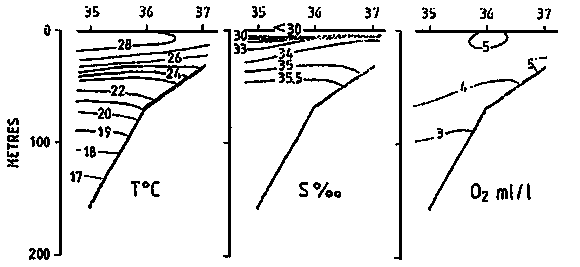
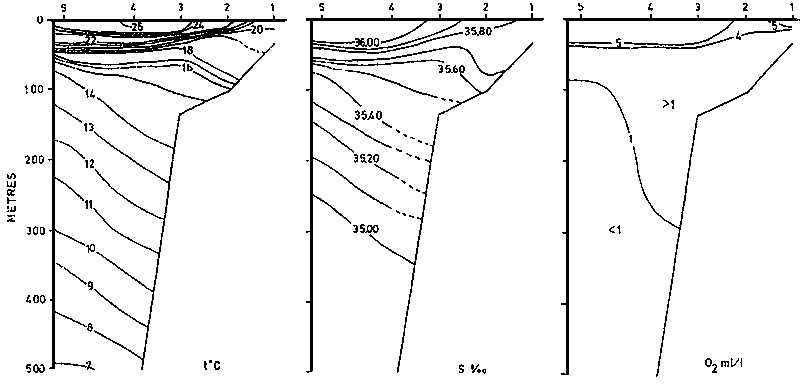
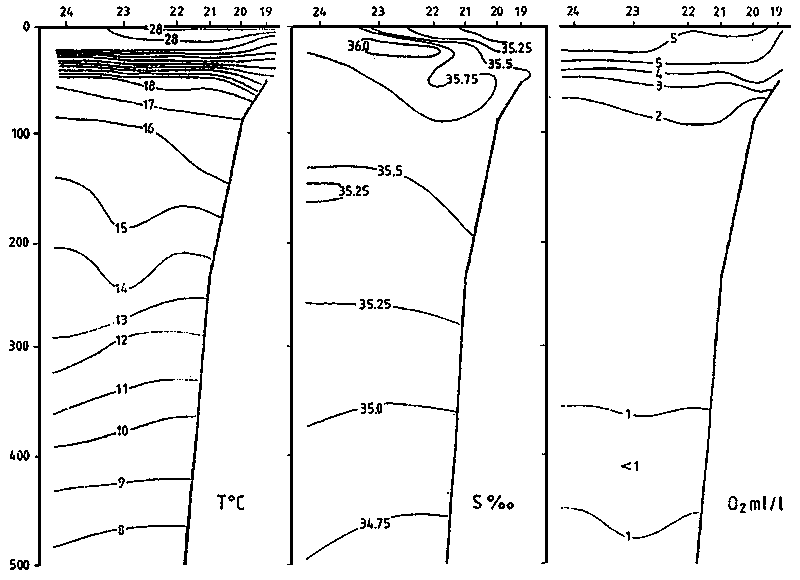
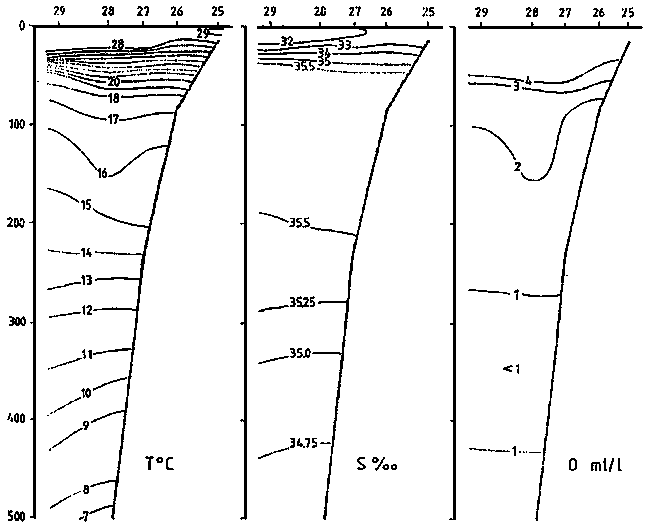
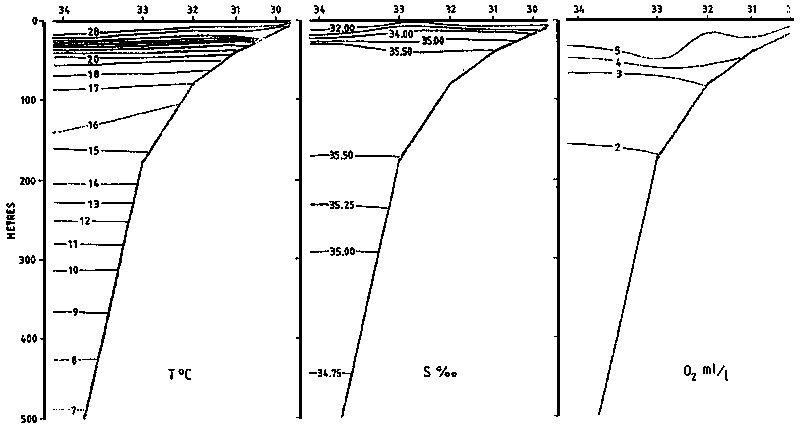
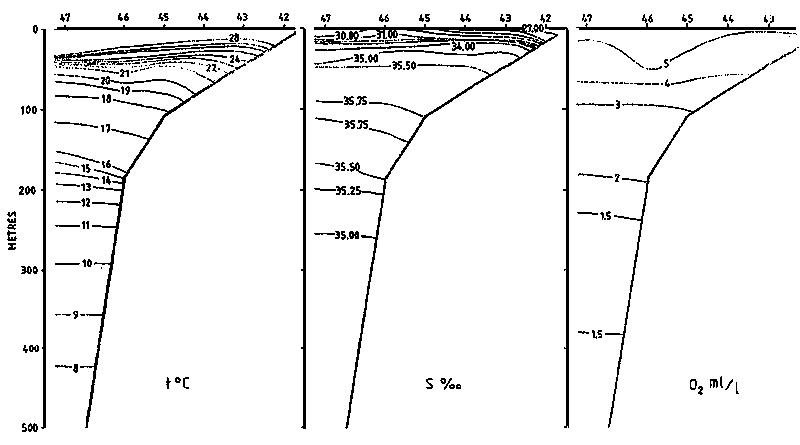
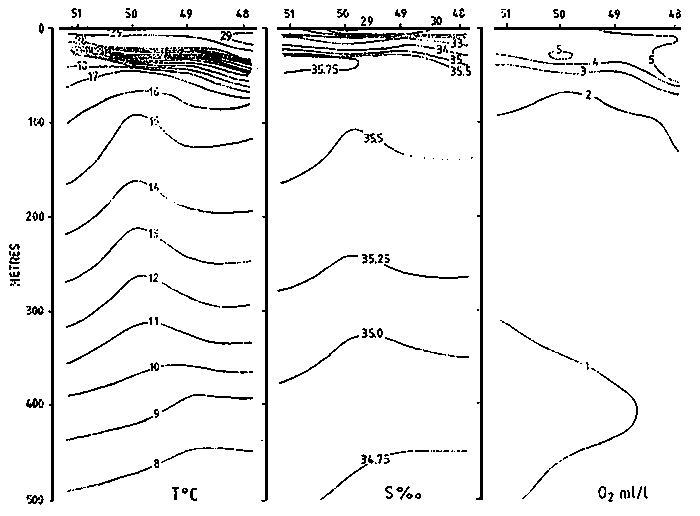
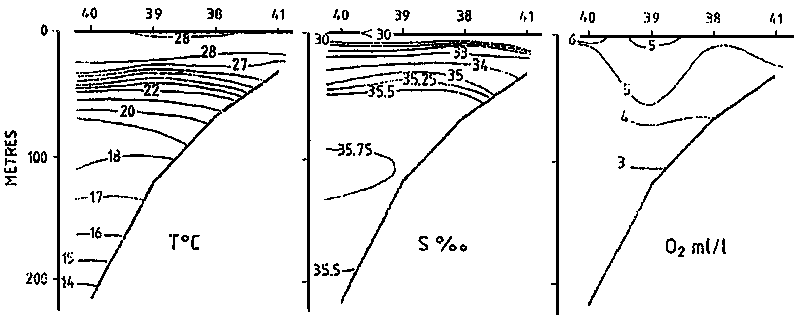
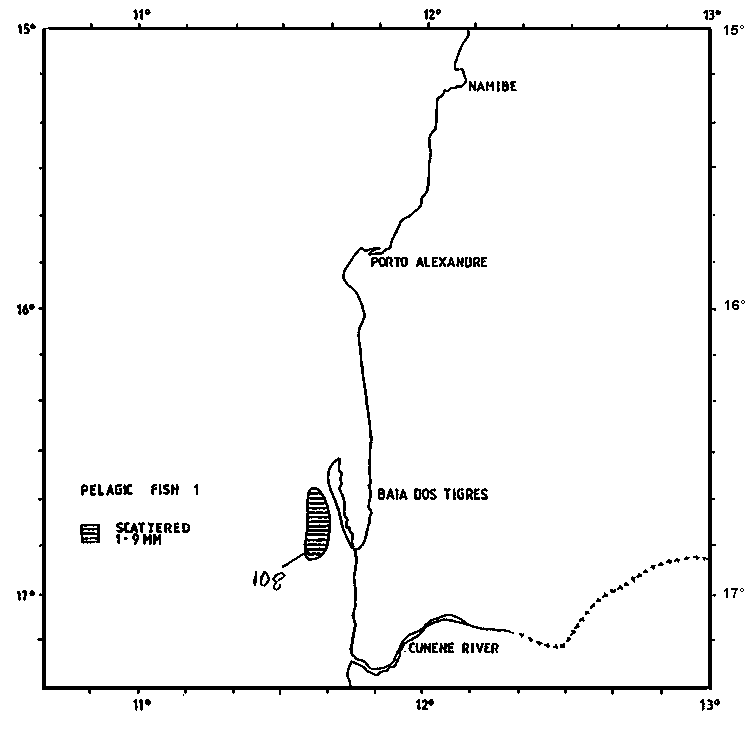
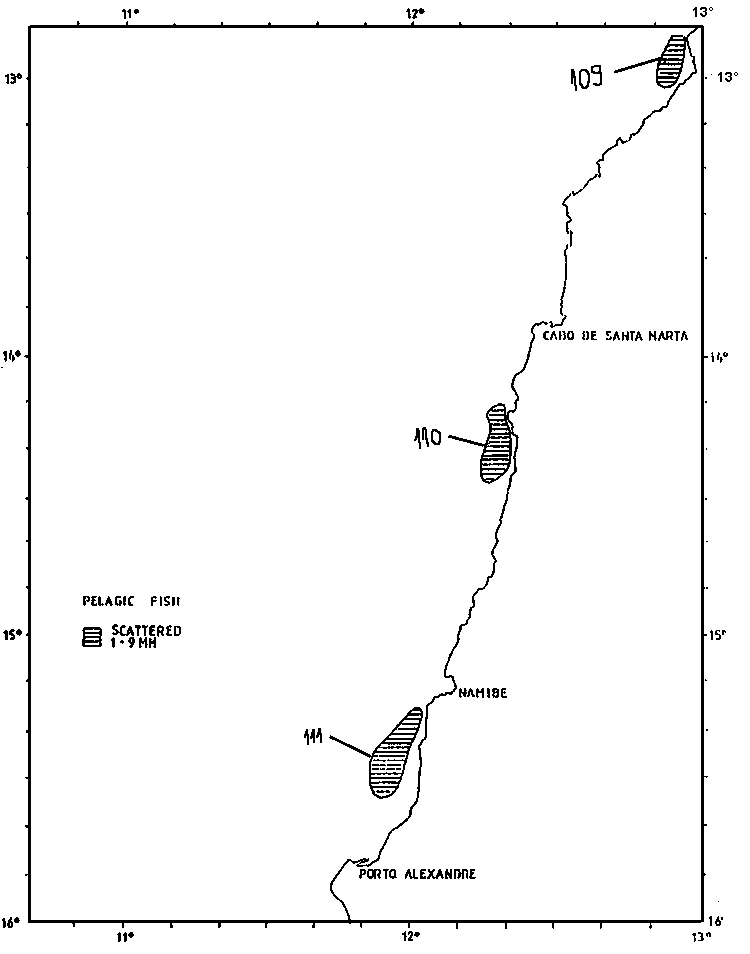
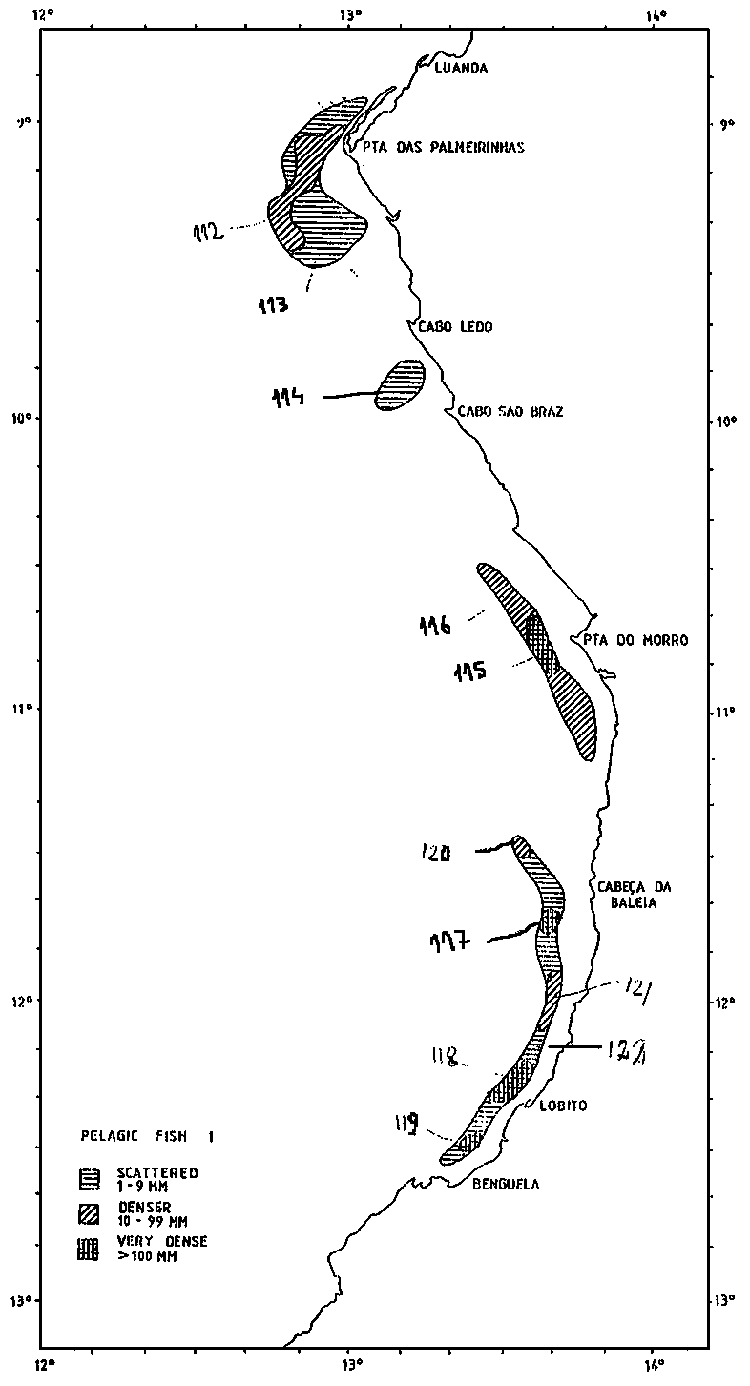
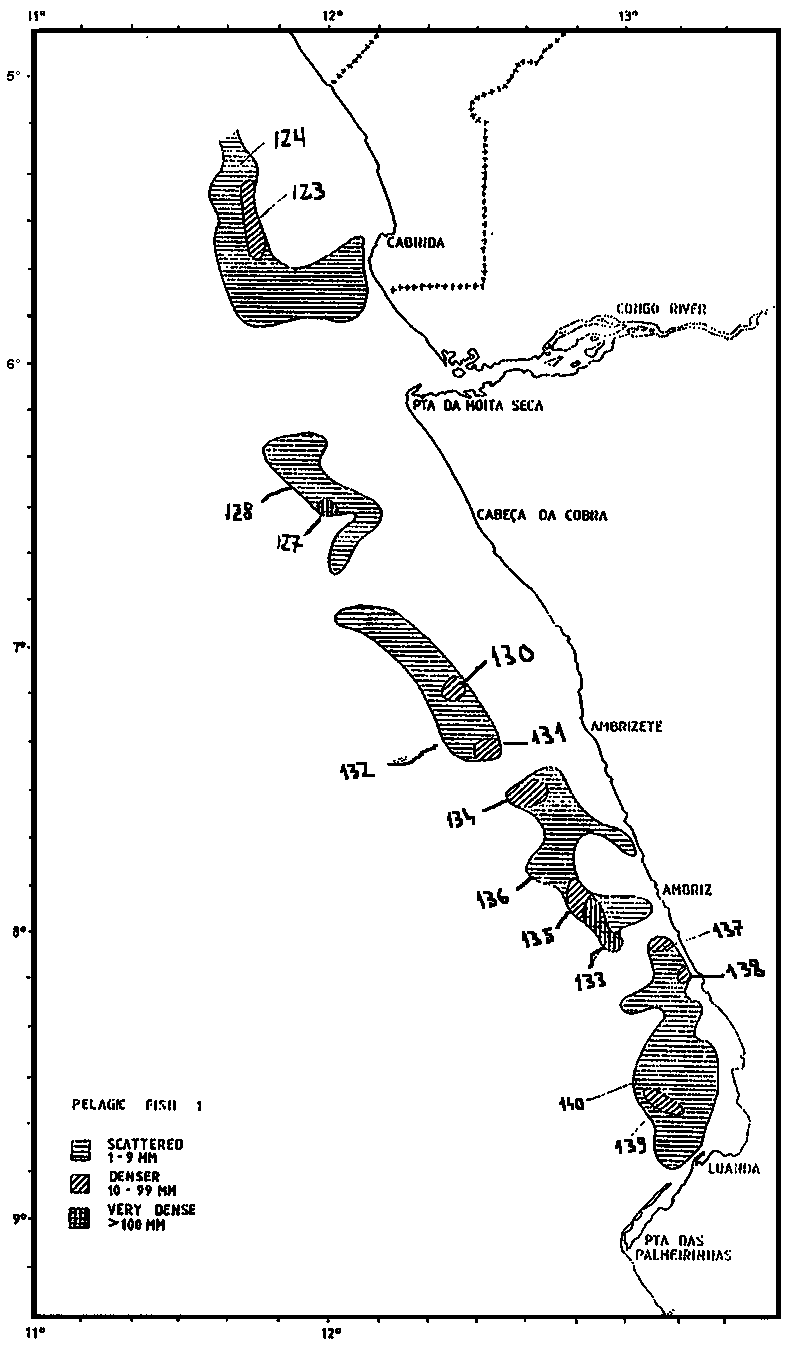
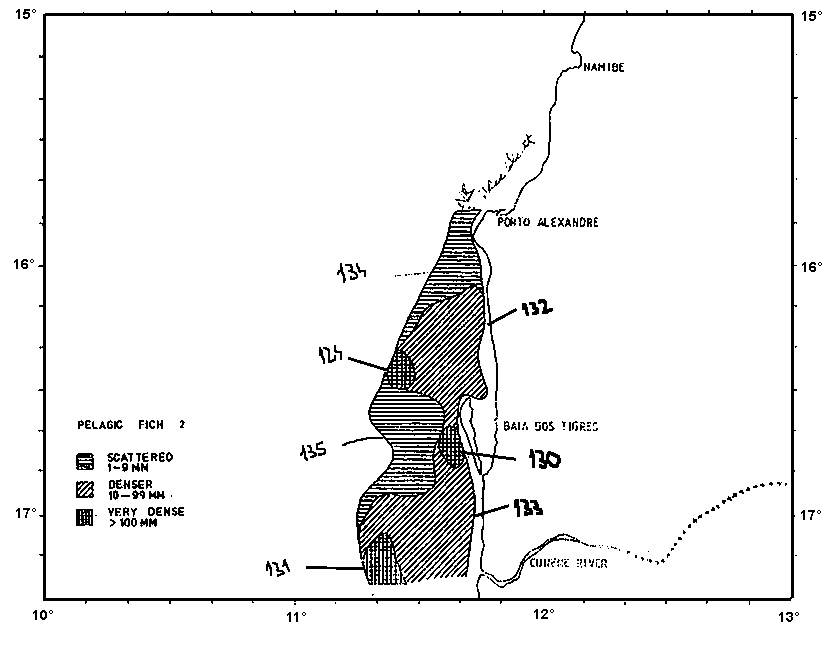
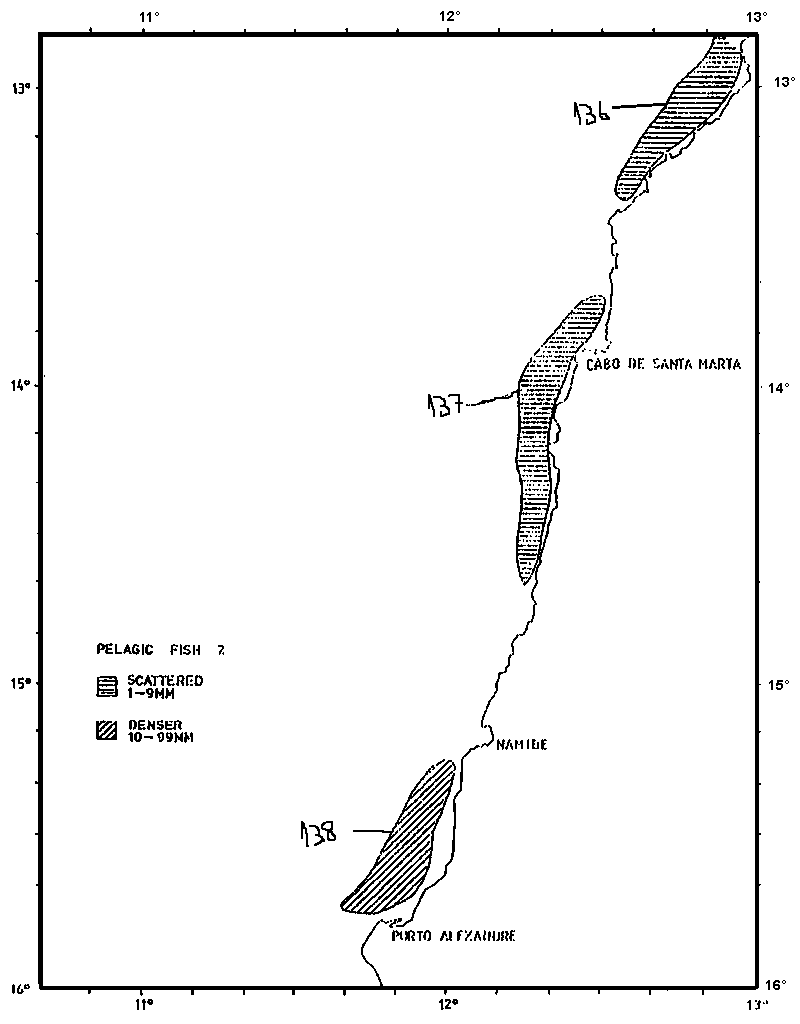
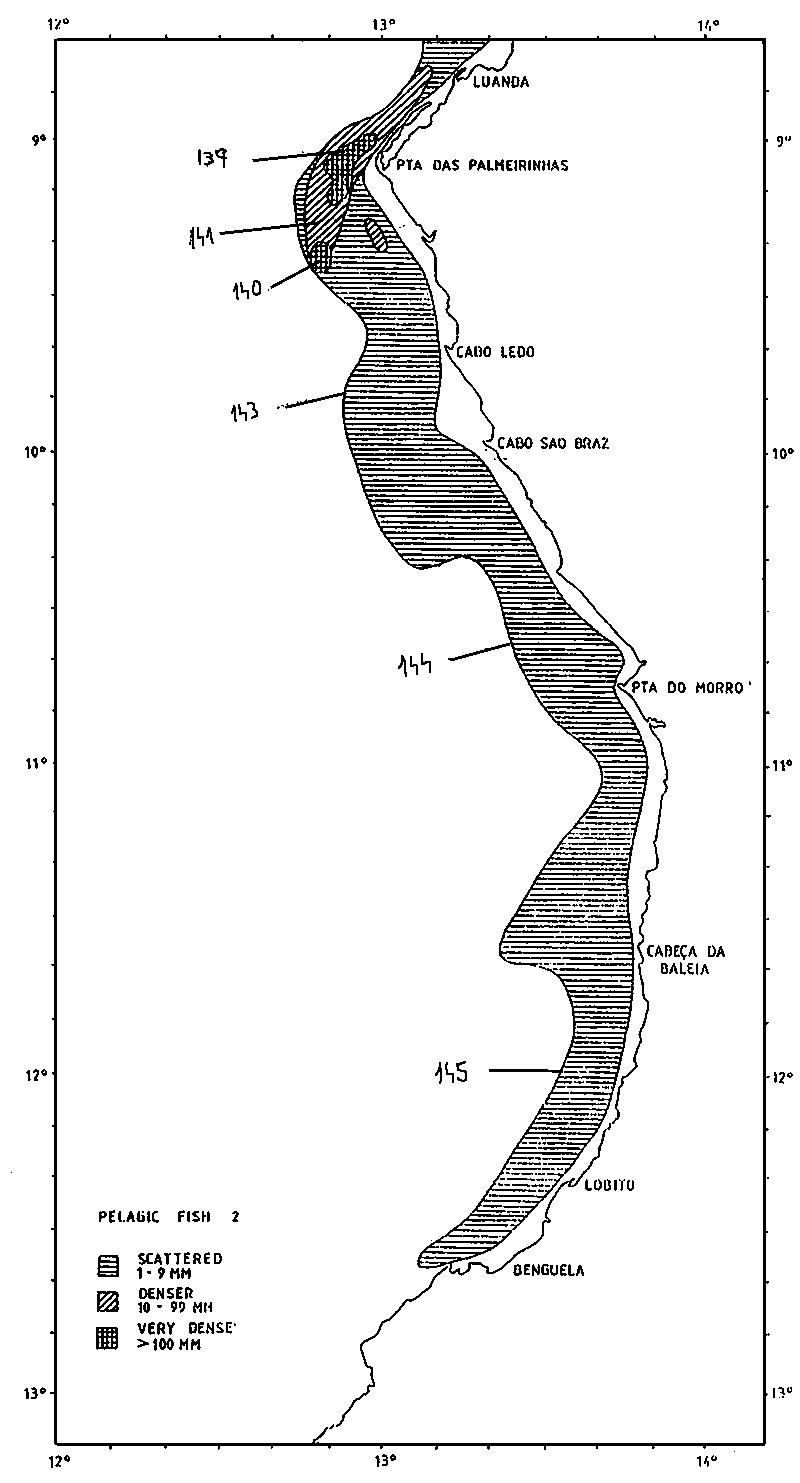
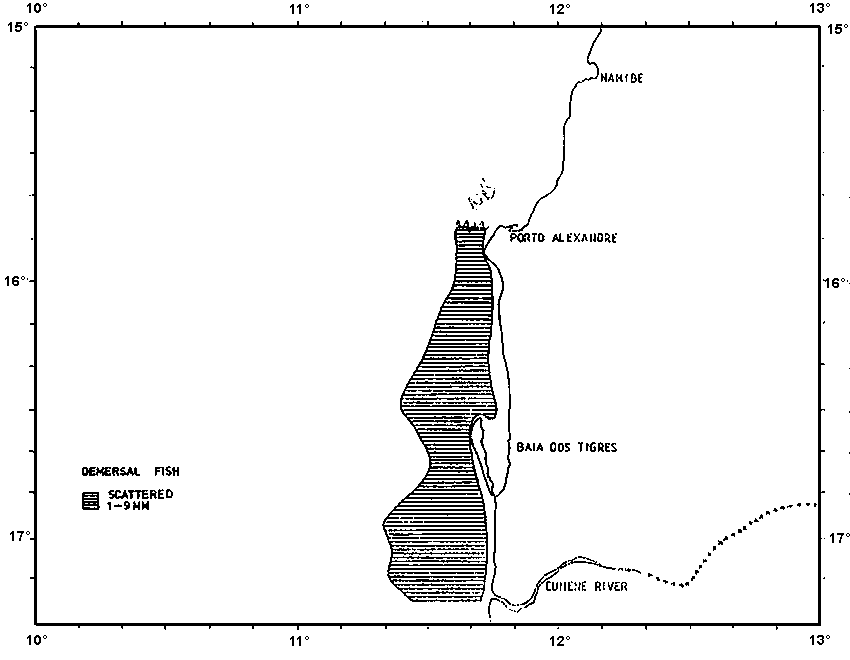
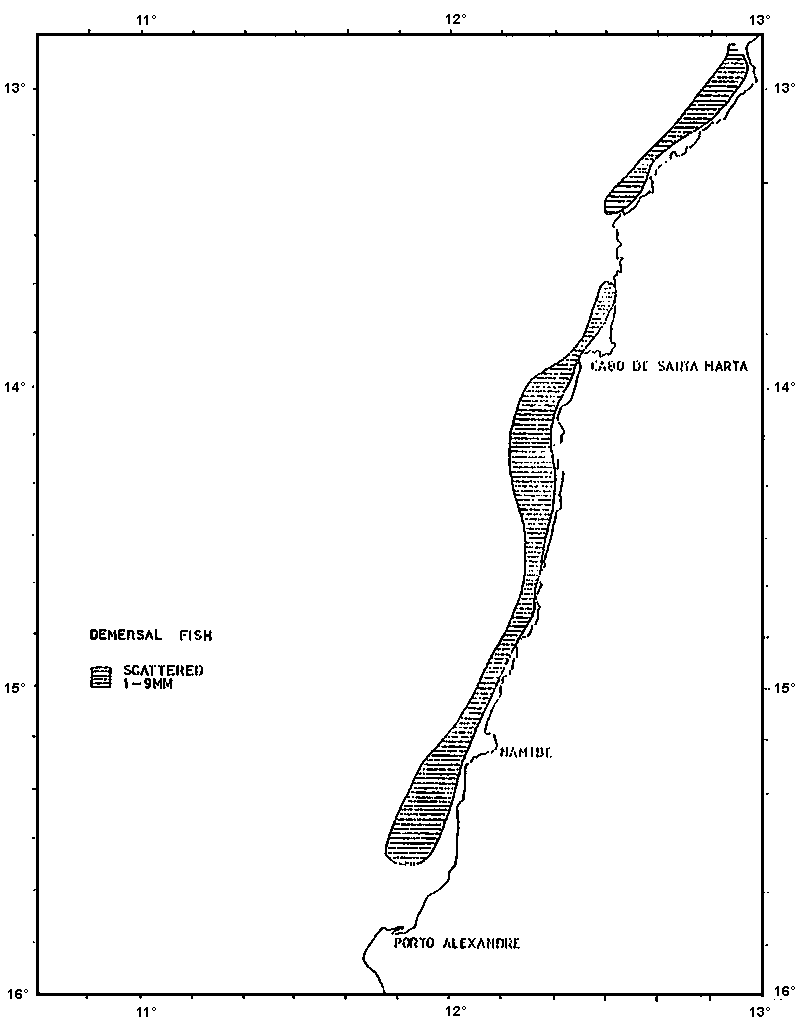
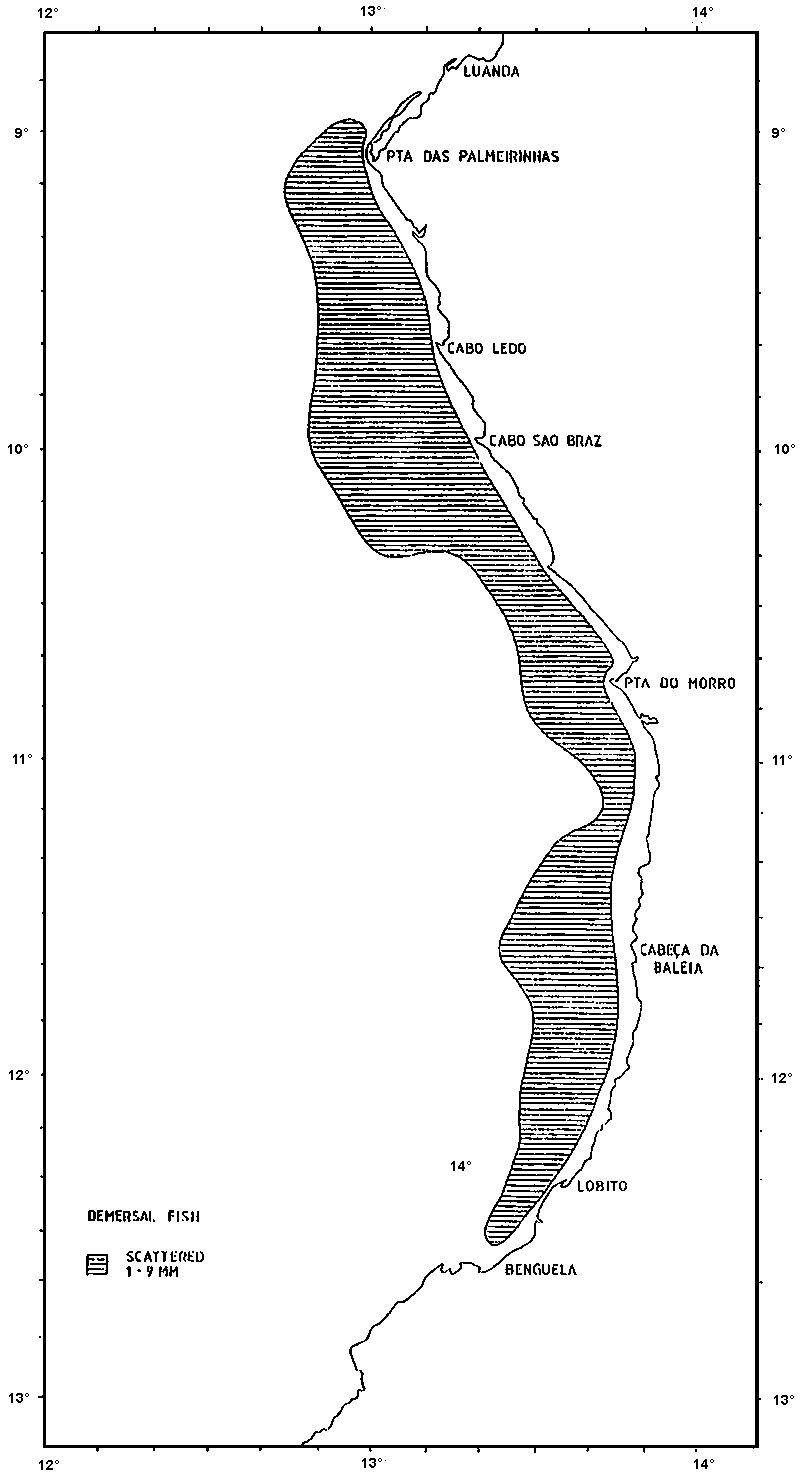
Figures 12 through 15 show the distribution of the three categories of resources: pelagic fish type I (clupeods, anchovies), pelagic fish type II (horse mackerels etc) and demersal fish.
Porto Alexandre to Cunene
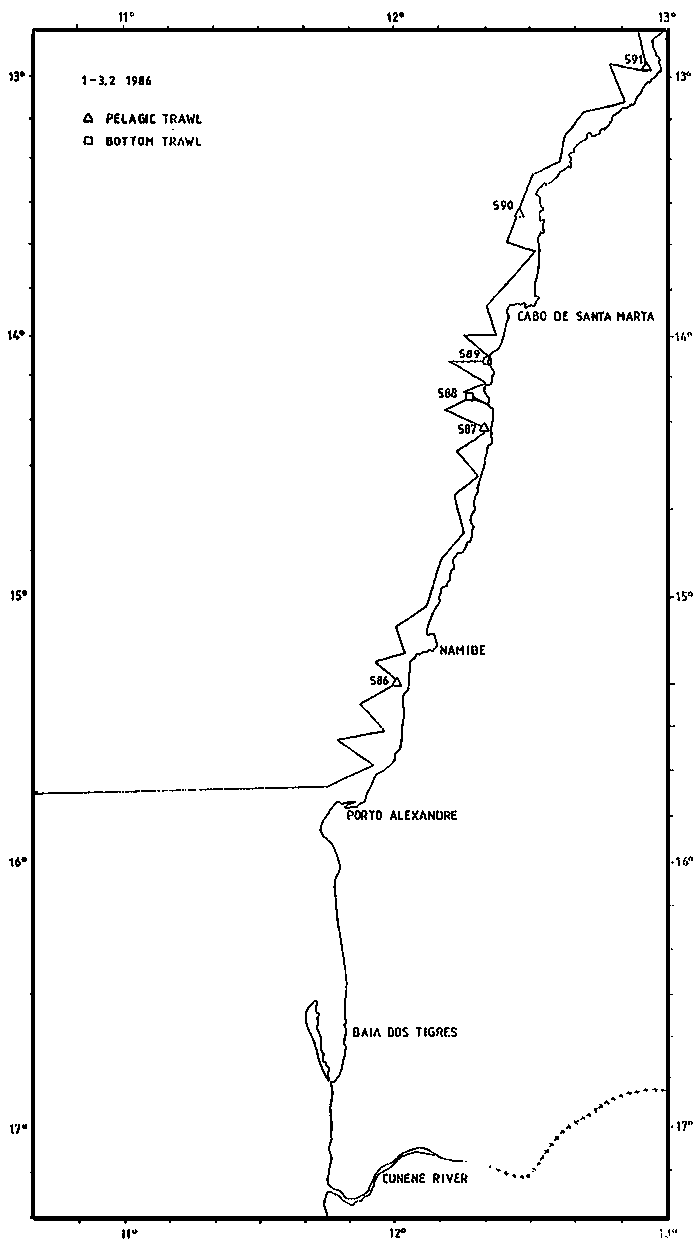
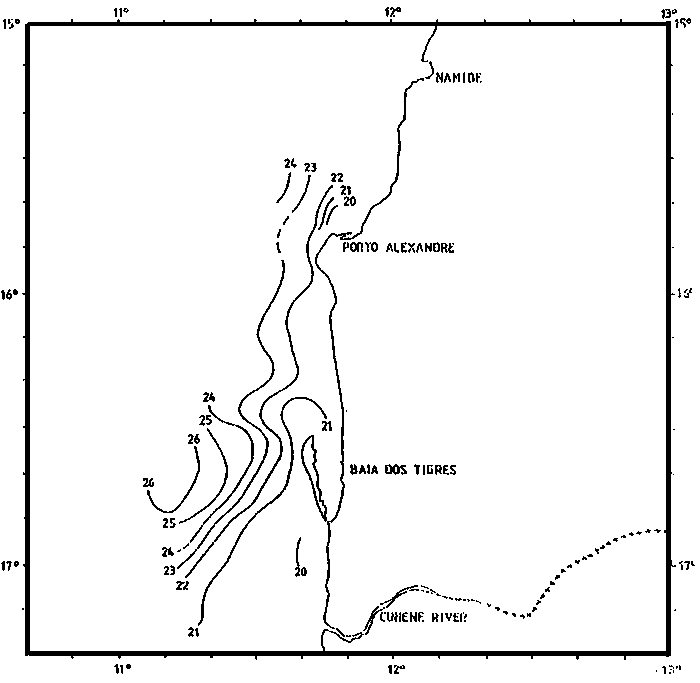
The small aggregation of pelagic type I fish off Baia dos Tigres consisted of anchovy and flat sardine while the more bundant horse mackerel was a mixture of the Cape - and Cunene types.
The thinly spread demersal fish consisted mostly of small-sized Dentex and there was very little hake.
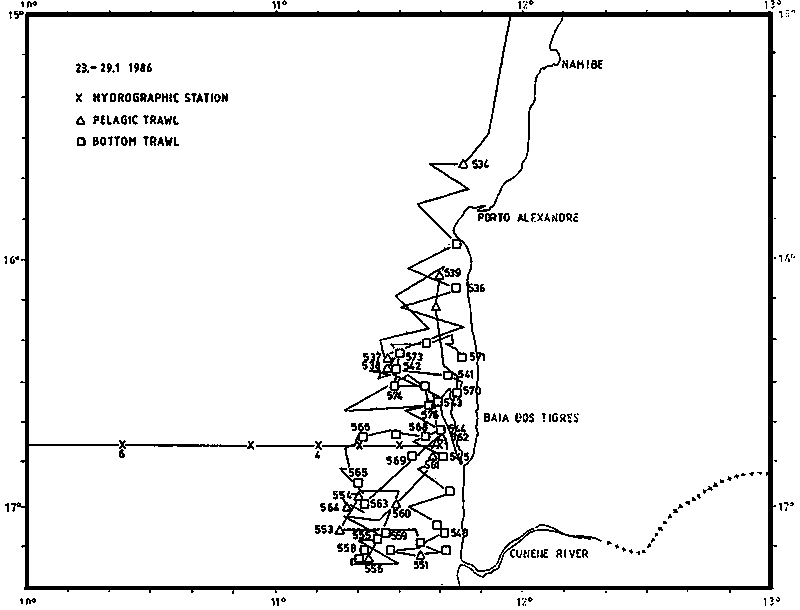
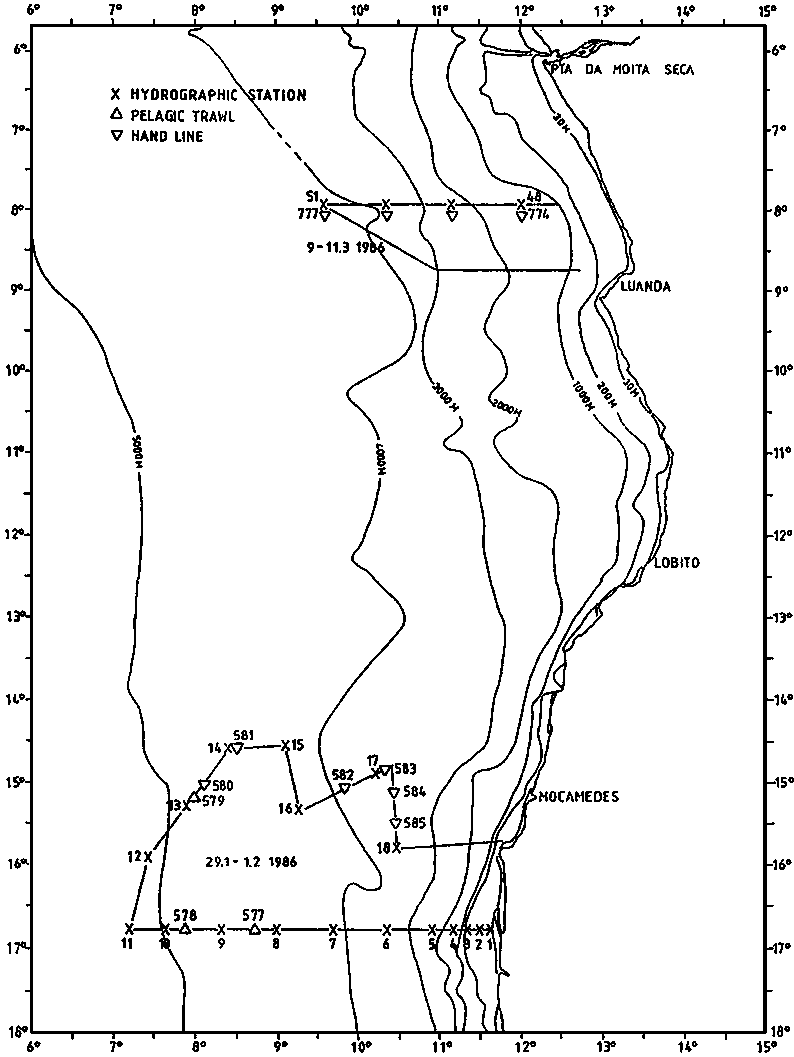
In the survey track about 250 n.m. offshore squid, Todarodes sagittatus appeared to be quite abundant seen in the deck lights in schools and swarms whenever the vessel stopped at night. Samples were obtained by jigging, but catches with the type of gear used were low.
Along the narrow shelf from Porto Alexandre to Benguela fish aggregations were as usual scarce.
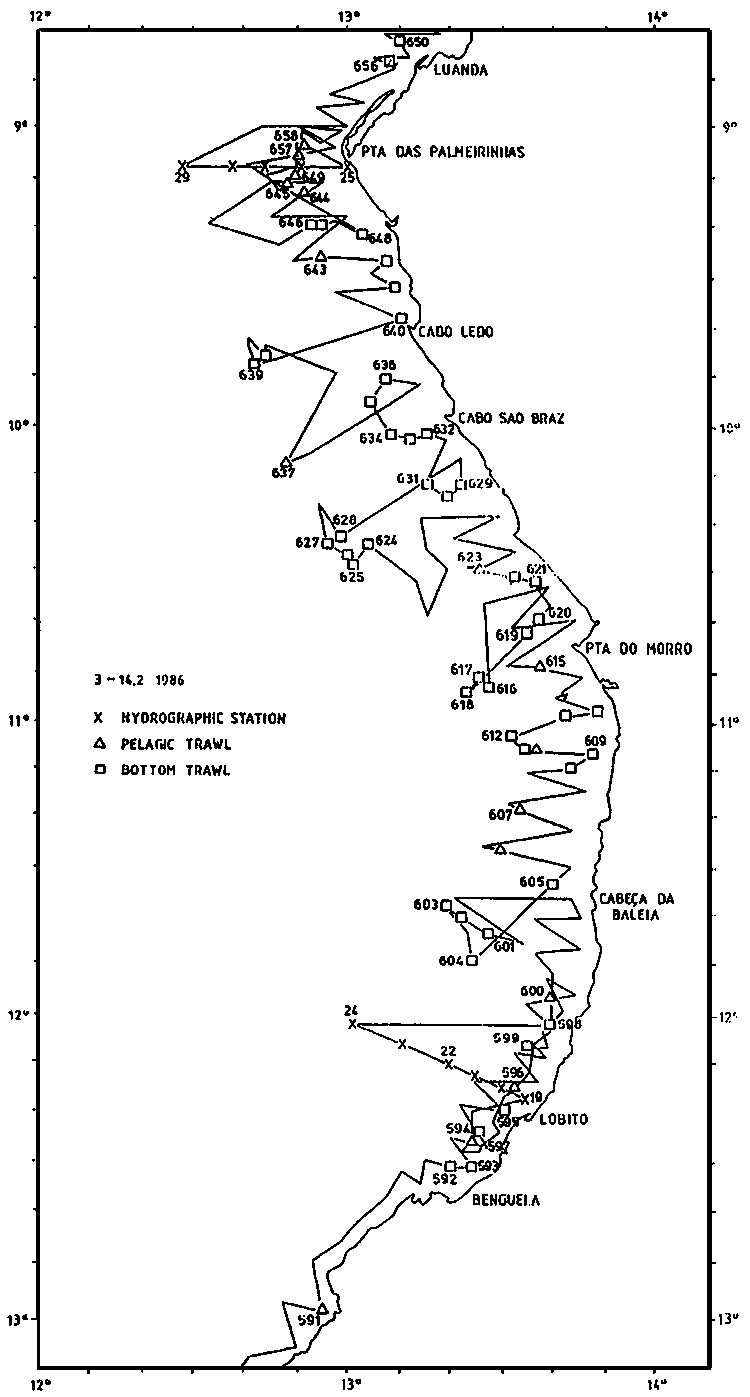
From Benguela to Luanda Pel I consisted mostly of the two sardinella species appearing in dense schools in a narrow belt along the coast. This behaviour is unfavourable for acoustic surveying and may lead to underestimation. The sardinellas were of large size in the whole of this area.
The Pel II species had a wider distribution over the shelf and with some high concentrations off Pta das Palmeirinhas. Small- and medium sized horse mackerel was found over the shelf with hairtails, jacks and barracudas. The aggregations in the north consisted of large sized Decapterus, mackerel and horse mackerel.
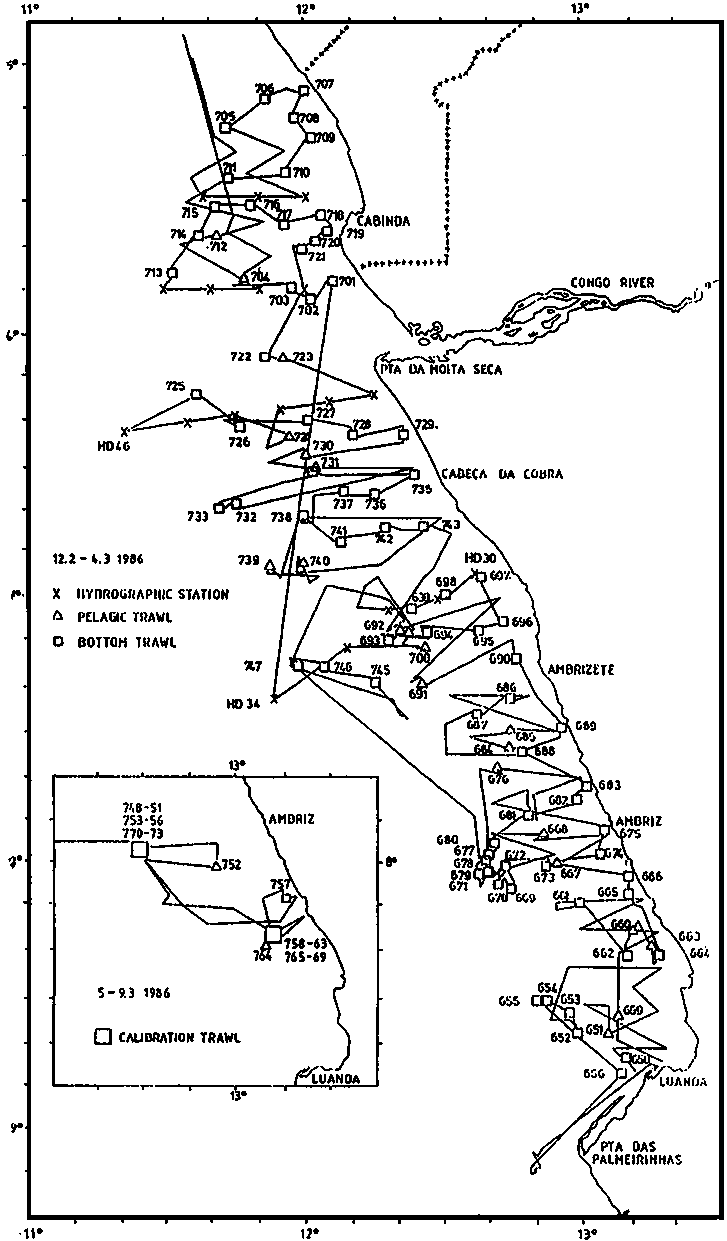
The Pel I from Luanda to Cabinda again was identified as S. aurita and S. maderensis, but with a different behaviour from those in the south. Here the fish appeared in school areas with a high number of surface schools throughout day and night, conditions favourable for sonar counting but not for acoustic integration. The fish was also here of large size and appeared to be in active spawning.
Demersal fish was recorded for acoustic assessments over large parts of the areas. The ample time available for this survey also permitted a programme of “swept area trawling” to be implemented covering the whole shelf except that from Porto Alexandre to Benguela. The trawling programme for deep water shrimp and hake was also expanded. Since the rigging of the bottom trawl gear has been changed by omission of the bobbins gear a series of comparative fishing trials with and without this gear was worked at different depths. Results of the fishing trawls will be reported on later.
The estimates of biomass based on acoustic integration were (1.000 tonnes).
|
|
Pel I |
Pel II |
Dem |
Total |
|
Cunene to Porto Alexandre |
1 |
105 |
18 |
|
|
Porto Alexandre-Benguela |
|
65 |
22 |
|
|
Benguela-Luanda |
163 |
241 |
56 |
|
|
Luanda-Cabinda |
113 |
65 |
57 |
|
|
|
250 |
476 |
143 |
869 |
PTA DAS PALMEIRINHAS, 12 FEB 1986
PTA DA MOITA SECA, 27-28 FEB 1986
CABINDA, 25 FEB 1986