1.1 Human and livestock populations
1.2 Trypanotolerant cattle groups
1.3 Trypanotolerant small ruminant breeds
The study countries are the same as those covered in Volumes 1 and 2. In addition, Equatorial Guinea has also been included in the present study.
An important difference between this and the previous volumes is that, because of the unavailability of recent and reliable data on the different regions of a country, no distinction is made between general data and data for a study area for countries which are only partially affected by animal trypanosomiasis.
The geographical description, relief and hydrography of the area therefore remain unchanged. With regard to climate and vegetation, it should be noted that the countries of the Sahel and adjacent countries experienced low precipitations in the late 1970s and early 1980s, resulting in increased degradation of the vegetation and an alarming increase in the rate of erosion and desertification. However, it appears that the climatic situation has since improved.
The distribution of the tsetse fly, which is directly related to changes in the climate and vegetation, has also changed. Only a few reliable studies have been made recently. These were revised by Katondo (1984) and used to update the tsetse fly distribution map published by CSTR/OUA in 1977. Depending on the country, the northern distribution limits may be fixed at between 50 and 100 km further south than shown in Volume 1.
This chapter discusses human and animal populations and trypanotolerant cattle, sheep and goat numbers by breed.
1.1.1 Human population
1.1.2 Cattle population
1.1.3 Sheep and goat population
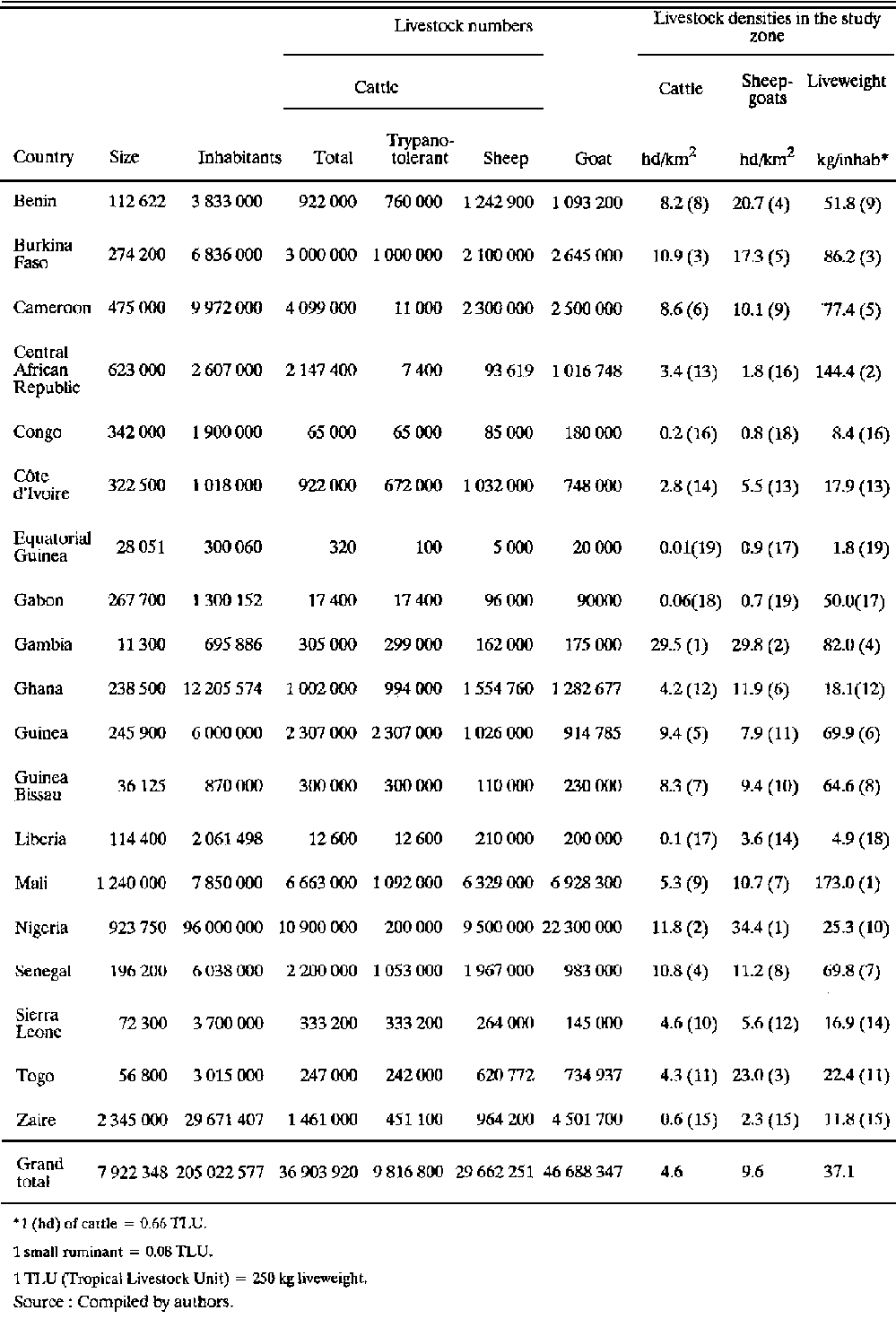
General statistics for 1985 on total area, human populations and livestock and population densities are presented in Table 1.1 for each country included in the study.
The total human population in the 19 countries in 1985 was estimated at 205 million; this was 37% of the total population of Africa in a region covering only 26% of the continent Average density was 26 inhabitants/km² compared to 19 inhabitants/km² for the whole of Africa. Population densities in the individual countries of the study area ranged from 104 inhabitants/km² in Nigeria to 4.1 inhabitants/km² in the Central African Republic.
Compared with data given in Volume 1, the population in the study area has increased by about 40 million inhabitants in eight years a mean annual growth rate of 2.8%. However, there is a wide variation between countries: the population growth rate for Equatorial Guinea is 1.8% and for Côte d'Ivoire 4%. Population density has increased from 21 inhabitants/km² in 1977 to 26 inhabitants/km in 1985.
Human and animal populations, 1985.
The total cattle population of the 19 countries in the study area in 1985 was estimated at 37 million head; this was 21 % of the African cattle population, of which only 9.8% were considered trypanotolerant. This wide variation is due to the large number of zebus found outside the tsetse areas of Senegal, Mali, Burkina Faso and Nigeria (an estimated 20 million head, 50% of which are in Nigeria) or in areas of negligible trypanosomiasis risk such as Cameroon or Central African Republic.
The countries with the highest cattle population densities are the Gambia, with about 30 head/km² and Nigeria with almost 12 head/km. The lowest densities are to be found in the central African countries (Gabon, Congo, Zaïre and Equatorial Guinea) with half a head of cattle or less per square kilometre. It would be inappropriate to make a direct comparison between these figures and those for 1977 as they were not obtained from the same source and some countries have since carried out a more accurate census and revised their national statistics. However, a comparison may be made between the cattle populations of these countries between 1975 and 1985, using the figures given by Hoste (1987a) which were obtained from the same sources for the main livestock producing regions of tropical Africa.
Although mean growth rate of the cattle population was 1.4% during the study period, the growth rates were 2.3% in Sudano-Sahelian Africa, 1.0% in humid and subhumid West Africa and 3.9% in humid central Africa. The growth rate for East Africa was 0.8% and for southern Africa 1.0%.
Statistics on small ruminants populations are even less reliable than data available on cattle numbers. In 1985 the total small ruminants population in the 19 study countries was 77 million head (30 million sheep and 47 million goats).
Average population density for small ruminants was 10 head/km² in the 19 study countries, with the highest density in Nigeria (34 head/km²) and the lowest in Gabon (0.7 head/km²).
A direct comparison between these figures and those for 1977 will prove erroneous. With regard to populations, a comparison of the figures for 1975 and those for 1985 by Hoste (1987a) indicate a growth rate of 1.8% for tropical Africa, 2.2% for Sudano-Sahelian Africa, 1.6% for humid and subhumid West Africa, 0.5% for central Africa, 1.7% for East Africa and 1.6% for southern Africa.
1.2.1 The N'Dama breed
1.2.2 The Savannah shorthorn
1.2.3 The dwarf shorthorn
1.2.4 Zebu x humpless cattle group
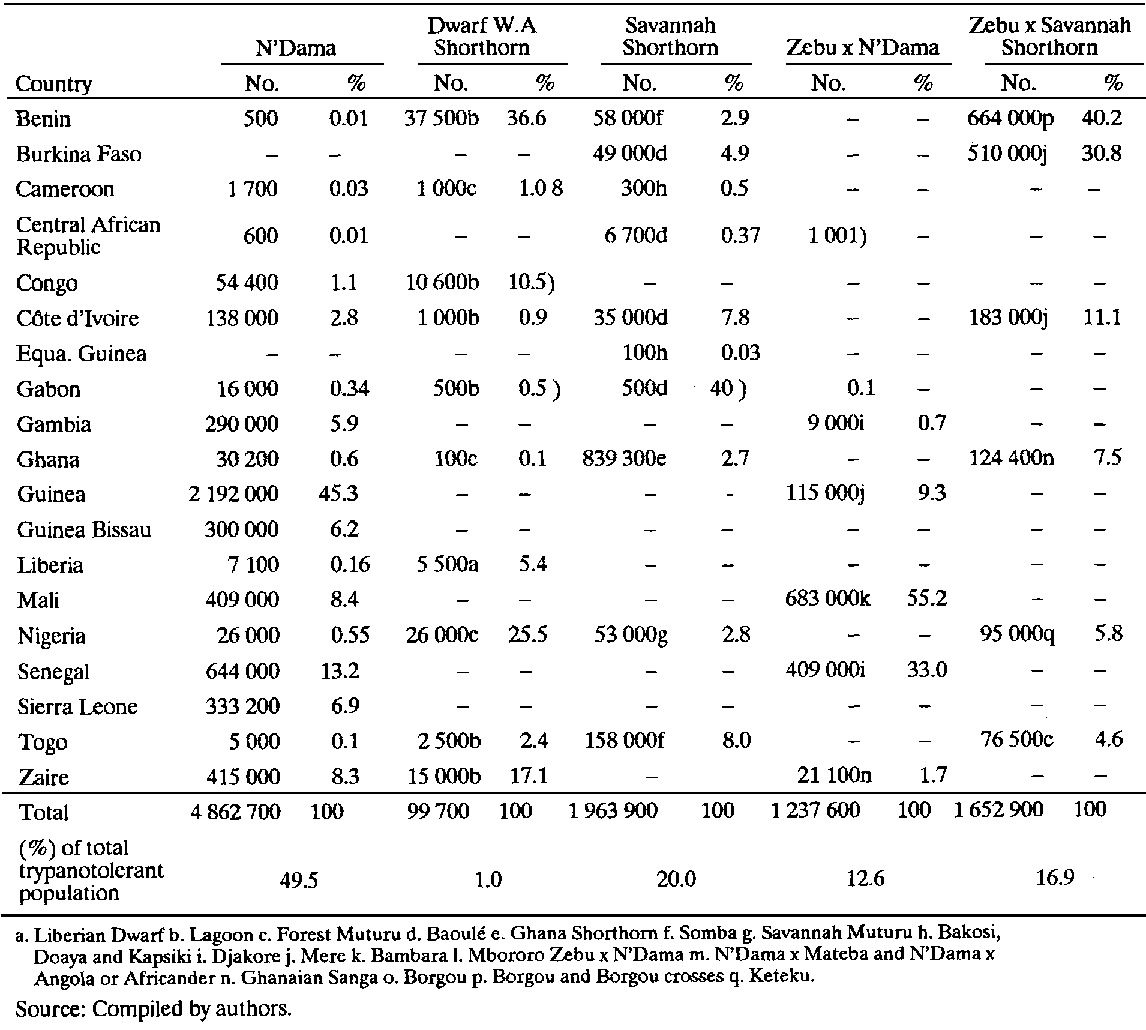
Table 1.2 indicates for individual countries the number of animals and percentages of the cattle population accounted for by each trypanotolerant group.
Out of a total of 10 million trypanotolerant cattle, counted in 1985, the long-horned Bos taurus group, represented by the N'Dama is the largest group, accounting for 49.5%. The Savannah Shorthorn is the next largest group with 20% followed by the Dwarf West African Shorthorn which accounts for 1.0%. Zebu x N'Dama crossbreeds account for 12.6% and zebu x West African Shorthorn for 16.9% of the trypanotolerant cattle population.
Table 1.2. Cattle numbers by breed classification and country, 1985.
Compared with the figures for 1977 given in Volume 1, the trypanotolerant cattle population increased at an average annual rate of 3.2% during the eight-year study period.
The relatively high growth rate is mainly due to a substantial increase of 4.5% in the N'Dama population which increased by 45 to 50% in relation to the total trypanotolerant cattle population.
The Savannah Shorthorn population increased at a rate of 2% per year. However, its percentage of all trypanotolerant cattle dropped from 22 to 20% during this period. The number of West African Dwarf Shorthorn remained stable with an annual rate of increase of 0.2%. Consequently the percentage has decreased from 1.3% to 1.0% of all trypanotolerant cattle. The general opinion is that crossbreeding with the zebu breed has led to a rapid rise in the number of crossbreeds and that the pure trypanotolerant breeds are in danger of extinction. This is not confirmed by the above figures in view of the fact that the zebu x West African Shorthorn population increased at a rate of only 2.1% and its percentage dropped from 32 to 29% of all trypanotolerant cattle.
These results should, however, be critically evaluated as the cattle populations for most countries are based on projections and not actual census figures. Nevertheless, an effort can be made to study the development trend of individual trypanotolerant groups in each country and determine whether the changes observed are real or due to national readjustments in numbers.
The geographical distribution of the N'Dama cattle group in 1985 in their original breeding areas and areas of introduction is shown in Table 1.3.
In the original breeding areas, more detailed studies of the numbers than those conducted in Volume I were made in Guinea Bissau, Guinea and Sierra Leone. A direct comparison between the two sets of data cannot therefore be made. The significant drop in the number of N'Dama cattle in Senegal (-14%), Mali (-12%) and Liberia (-35%) is of particular interest. On the other hand, the number of N'Dama cattle in Côte d'Ivoire seems to have increased considerably.
Results for the introduction zones could be more readily compared and a significant increase in the N'Dama population during the eight-year study period was noted (308 000 head in 1977 compared with 549 400 head in 1985). An annual growth rate could not be calculated because several head of cattle were imported during the study period (Straw and Hoste, 1987).
Table 1.3. Geographical distribution of the N'Dama cattle (1985).
|
Country |
N'Dama population in study area |
Percentage of total N'Dama population |
Total cattle population of study area |
Percentage of N'Dama in total cattle population of study area |
|
Original areas | ||||
|
Guinea |
2 192 000 |
45.3 |
2 307 000 |
95.0 |
|
Senegal |
644 000 |
13.3 |
2 200 000 |
29.2 |
|
Mali |
409 000 |
8.4 |
6 663 000 |
6.1 |
|
Sierra Leone |
333 200 |
6.9 |
333 200 |
100 |
|
Guinea Bissau |
300 000 |
6.2 |
300 000 |
100 |
|
Gambia |
290 000 |
5.9 |
305 000 |
95.1 |
|
Côte d'Ivoire |
138 000 |
2.8 |
922 000 |
14.9 |
|
Liberia |
7 100 |
0.16 |
12 600 |
56.3 |
|
Subtotal |
4 313 300 |
88.96 |
13 042 800 |
33.0 |
|
Areas of introduction | ||||
|
Zaire |
415 000 |
8.3 |
1 461 000 |
27.3 |
|
Congo |
54 400 |
1.1 |
65 000 |
83.7 |
|
Ghana |
30 200 |
0.6 |
1 002 000 |
3.0 |
|
Nigeria |
26 000 |
0.55 |
10 900 000 |
0.2 |
|
Gabon |
16 000 |
0.34 |
17 400 |
91.9 |
|
Togo |
5 000 |
0.1 |
247 000 |
2.0 |
|
Cameroon |
1 700 |
0.03 |
4 099 000 |
0.04 |
|
Central African Republic |
600 |
0.01 |
2 147 400 |
0.03 |
|
Benin |
500 |
0 01 |
922 000 |
0.05 |
|
Burkina Faso |
- |
- |
3 000 000 |
|
|
Equatorial Guinea |
- |
320 |
- |
|
|
Subtotal |
549 400 |
11.04 |
23 861 120 |
2.2 |
|
Total |
4 862 700 |
100 |
36 903 920 |
13.1 |
Source: Compiled by authors.
The number of Savannah Shorthorn in their original breeding areas and areas of introduction in 1985 are indicated in Table 1.4.
There was a significant increase in the number of Savannah Shorthorn in Ghana (+36%) and in Côte d'Ivoire (+40%). The population remained static in Burkina Faso and Togo and dropped considerably in Benin (-23%) and Nigeria (-35%).
Table 1.4. Geographical distribution of the Savannah Shorthorn group, 1985.
|
Country and breed name |
Shorthorn population in study area |
Percentage of total Shorthorn population |
Total cattle population of study area |
Percentage of Shorthorn in total cattle population of the area |
|
Original areas | ||||
|
Ghana (Ghana Shorthorn) |
839 300 |
42.7 |
1 002 000 |
83.7 |
|
Burkina Faso (Baoulé or Méré) |
490 000 |
24.9 |
3 000 000 |
16.3 |
|
Côte d'Ivoire (Baoulé) |
350 000 |
17.8 |
922 000 |
37.9 |
|
Togo (Somba) |
158 000 |
8.0 |
247 000 |
63.9 |
|
Benin (Somba) |
58 000 |
2.9 |
922 000 |
6.3 |
|
Nigeria (Muturu) |
53 000 |
2.8 |
10 900 000 |
0.5 |
|
Cameroon (Doayo, Kapsiki, Bakosi) |
8 300 |
0.5 |
4 099 000 |
0.2 |
|
Subtotal |
1 956 600 |
99.6 |
21 092 000 |
9.2 |
|
Areas of introduction | ||||
|
Central African Republic (Baoulé) |
6.5-7 500 |
0.37 |
2 147 400 |
0.3 |
|
Equatorial Guinea |
100 |
0.03 |
320 |
31.2 |
|
Gabon (Baoulé) |
500 |
0.03 |
17 400 |
28.7 |
|
Subtotal |
7 300 |
0.4 |
2 165 120 |
0.4 |
|
Total |
1 963 900 |
100 |
23 010 120 |
8.5 |
Source: Compiled by authors.
In areas of introduction, the number of Baoulé cattle dropped by 50% in the Central African Republic during the eight-year study period.
The number of Dwarf Shorthorns in each country of the study area is given in Table 1.5.
The total cattle population in the original areas and areas of introduction remained almost unchanged between 1977 and 1985.
Table 1.5. Geographical distribution of the Dwarf Shorthorn group, 1985.
|
Country and breed name |
Dwarf Shorthorn population in study area |
Percentage of total Dwarf Shorthorn population |
Total cattle population of study area |
Percentage of Dwarf population in total cattle population of study area |
|
Original areas | ||||
|
Benin (Lagune) |
37 500 |
36.6 |
922 000 |
4.1 |
|
Nigeria (Muturu) |
26 000 |
25.5 |
10 900 000 |
0.2 |
|
Liberia (Muturu) |
5 500 |
5.4 |
12 600 |
4.4 |
|
Togo (Lagune) |
2 500 |
2.5 |
247 000 |
1.0 |
|
Côte d'Ivoire(Lagune) |
1 000 |
0.9 |
922 000 |
0.1 |
|
Cameroon (Muturu) |
1 000 |
0.9 |
4 099 000 |
0.02 |
|
Ghana (Muturu) |
100 |
0.1 |
1 002 000 |
0.01 |
|
Subtotal |
73 600 |
71.9 |
18 104 600 |
0.4 |
|
Areas of introduction | ||||
|
Zaire (Lagune) |
15 000 |
17.9 |
1 461 000 |
1.2 |
|
Congo (Lagune) |
10 600 |
10.5 |
65 000 |
16.3 |
|
Gabon (Lagune) |
500 |
0.5 |
17 400 |
2.8 |
|
Subtotal |
26 100 |
28.1 |
1 543 400 |
1.8 |
|
Total |
99 700 |
100 |
19 648 000 |
0.5 |
Source: Compiled by authors.
The major changes to be noted are the rapid disappearance of the Muturu in Liberia (-63%) and in Nigeria (-32%) which is allegedly offset by the increase in the number of Lagune in Benin (+87%). However, the population figures being very small and census figures unreliable, what shall be kept in mind is simply that this trypanotolerant cattle group has remained more or less stable in number during the study period although they remain seriously exposed to extinction.
Table 1.6 gives the numbers of N'Dama and Shorthorn crosses by country.
In general, the zebu x N'Dama population increased at a higher annual rate than the zebu x Shorthorn crossbreeds (+2.5% compared to + 1.8%). The zebu x N'Dama population increased significantly in Guinea and Mali. A large number of these crossbreeds have also been introduced into the Gambia.
The zebu x Shorthorn population increased fivefold in Côte d'Ivoire and Benin (+33%). It remained stable in Burkina Faso, Ghana and Togo. The difference in the number recorded for Nigeria appears to be due to the difference in census methods employed.
Table 1.6. Distribution of the zebu x taurine crossbreed, 1985.
|
Country and breed |
Zebu x N'Dama crossbreeds |
Zebu x Shorthorn crossbreeds |
Percentage of all crossbreeds |
Total cattle population of study area |
Percentage of crossbreeds in total cattle name study area |
|
Mali (Méré) |
683 000 |
- |
23.6 |
6 663 000 |
10.2 |
|
Benin (Borgou) |
- |
664 000 |
22.9 |
922 000 |
72.0 |
|
Burkina Faso (Méré) |
- |
510 000 |
17.6 |
3 000 000 |
17.0 |
|
Senegal (Djokoré) |
409 000 |
- |
14.1 |
2 200 000 |
18.6 |
|
Côte d'Ivoire (Méré) |
- |
183 000 |
6.4 |
922 000 |
19.8 |
|
Ghana (Sanga) |
- |
124 000 |
4.4 |
1 002 000 |
12.4 |
|
Guinea |
115 000 |
- |
3.97 |
2 307 000 |
4.9 |
|
Nigeria (Keteku) |
- |
95 000 |
3.27 |
10 900 000 |
0.8 |
|
Togo (Borgou) |
- |
76 500 |
2.7 |
247 000 |
30.9 |
|
Zaire |
21 100 |
- |
0.73 |
1 461 000 |
1.4 |
|
Gambia |
9 000 |
- |
0.31 |
305 000 |
2.9 |
|
Central African Republic (Bambara) |
100 |
- |
0.02 |
217 400 |
0.004 |
|
Gabon |
400 |
- |
|
17 400 |
2.3 |
|
Total |
1 237 600 |
1 652 900 |
100 |
32 093 800 |
11.1 |
|
|
2 890 500 |
|
|
| |
Source: Compiled by authors.
Estimated numbers of small ruminants by country are presented in Table 1.1. The total small ruminant population in the 19 study countries was 77 million, comprising 30 sheep and 47 million goats, a ratio of 1.6:1.
The trypanotolerant population may be estimated by subtracting the large numbers of non-trypanotolerant small ruminants found in Senegal, Mali, Burkina Faso, Nigeria, Cameroon and Zaire. Table 1.7 gives the most reliable estimates obtained in spite of numerous unknown factors.
The trypanotolerant small ruminant population in the 19 West African countries studied is estimated at 32 million of which 12 million are sheep and 20 million goats. In all the West African countries except Nigeria, the number of sheep is only marginally higher than that of goats (9.4 million compared to 9.1 million). In Nigeria and central African countries, however, there are substantially more goats than sheep (10.8 million goats and 2.6 million sheep). The ratio of goat to sheep may be as high as 11:1 in the Central African Republic or 5:1 in Zaire.
Because of the unreliable nature of the data available, they cannot be compared with the data given in Volume 1. Nevertheless, it appears that the trypanotolerant sheep and goat populations have remained static.
Table 1.7. Trypanotolerant sheep and goat populations by country, 1985.
|
Country |
Sheep |
Goat |
Sheep + goat |
|
Benin |
1 243 |
1 093 |
2 336 |
|
Burkina Faso |
1 170* |
1 830* |
3 000* |
|
Cameroon |
540* |
585* |
1 125* |
|
Central African Republic |
94 |
1 017 |
1 111 |
|
Côte d'Ivoire |
1 032 |
748 |
1 780 |
|
Congo |
85 |
180 |
265 |
|
Equatorial Guinea |
5 |
20 |
25 |
|
Gabon |
96 |
90 |
186 |
|
Gambia |
162 |
175 |
337 |
|
Ghana |
1 555 |
1 283 |
2 838 |
|
Guinea |
110 |
230 |
340 |
|
Guinea |
1 026 |
915 |
1 941 |
|
Liberia |
210 |
200 |
410 |
|
Mali |
1 265** |
1 385* |
2 650* |
|
Nigeria |
1 000* |
5 320* |
6 320* |
|
Senegal |
770* |
385* |
1 155* |
|
Sierra Leone |
264 |
145 |
409 |
|
Togo |
621 |
735 |
1 356 |
|
Zaire |
770* |
3 600* |
4 370* |
|
Total |
12 018 |
19 936 |
31 954 |
* Estimates are based on proportions determined in FAO/ILCA/UNEP (1980) and applied to current populations. Source: Compiled by authors.
By comparing the human and animal population figures given above, the following conclusions may be drawn:
· The total animal population increased during the study period but at a lower rate than the human population· The trypanotolerant cattle population maintained a relatively high rate of increase of 3.2% per year due mainly to a preference for the N'Dama breed which increased at a rate of 4.5% during the study period
· Overall data available do not confirm the general theory that the population of zebu x West African Shorthorn is increasing at a faster rate than purebred trypanotolerant population although this would evidently vary from country to country
· The trypanotolerant sheep and goat populations are increasing at a lower rate than expected for these species
· Some progress has been made in the past few years in the compilation of reliable and comparable national statistics. However, greater effort should be made in this field.