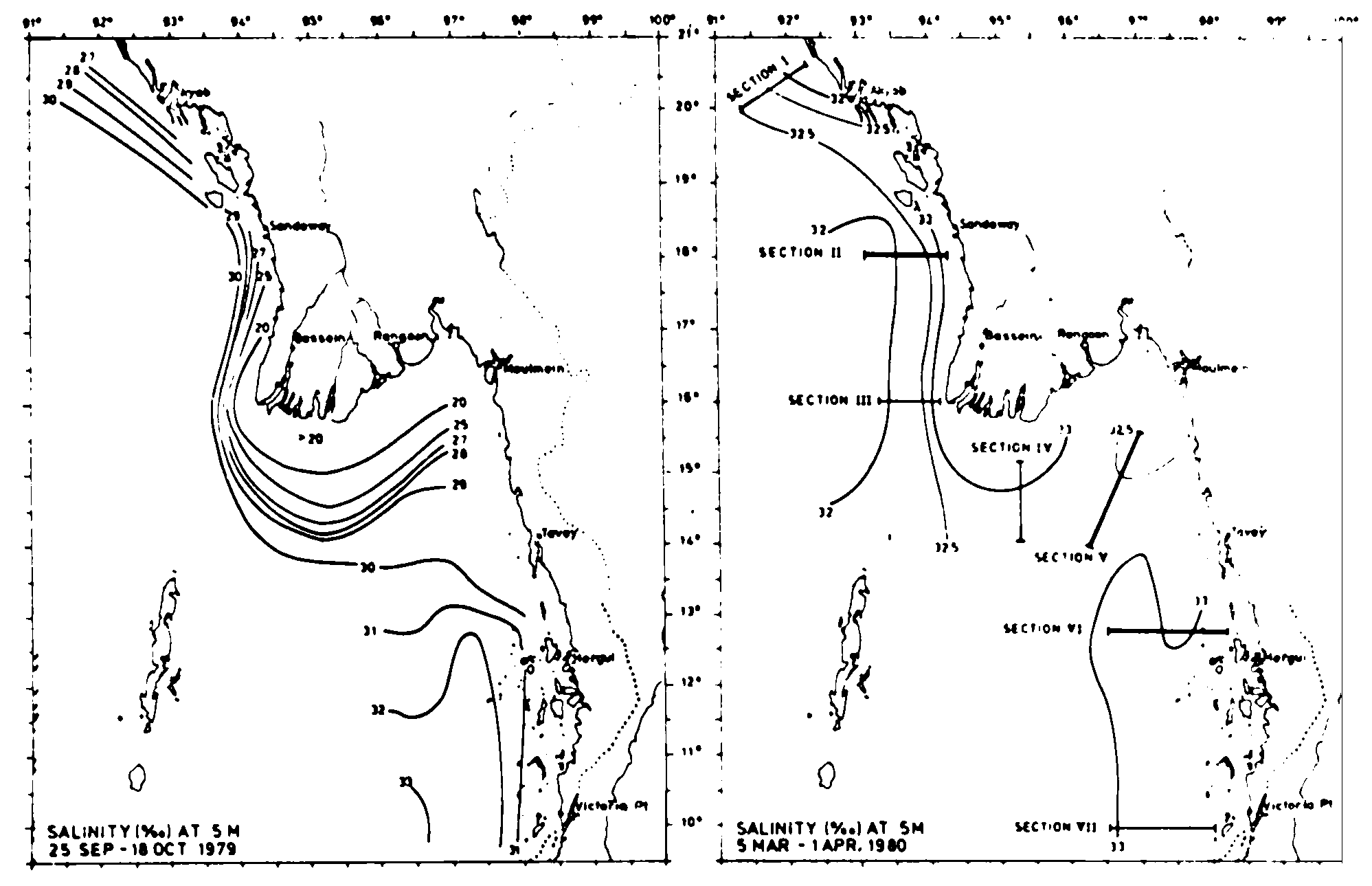
The main features in the hydrographic conditions during the two survey periods appear from Figs 8-10. In autumn, the surface waters off the Delta and Arakan coasts (Fig 8) were extensively mixed with freshwater originating from the runoffs of the large rivers (Irrawaddy and Salween). The observation period - October - was just after the rainy season and corresponded with the yearly runoff maximum. Low saline surface water with salinities less than 20 ‰ was observed over large areas in the Delta region and northward along the Arakan coast, indicating a west- and northward transport of the uppermost coastal watermasses.
During spring, when the river runoff is at a minimum, the conditions were quite different. Now, the highest surface layer salinities (>33 ‰) were observed in nearshore waters except for a small area off Akyab (northern Arakan) and another just off the Salween river delta (Moulmein). Thus the salinity distribution of the surface layers over the continental shelf showed large seasonal variations depending on the freshwater inflow to the Delta region.
Figure 8. Salinity (‰) at 5 m depth 25 Sep-18 Oct 1979 (left) 5 March-1 April 1980 (right).
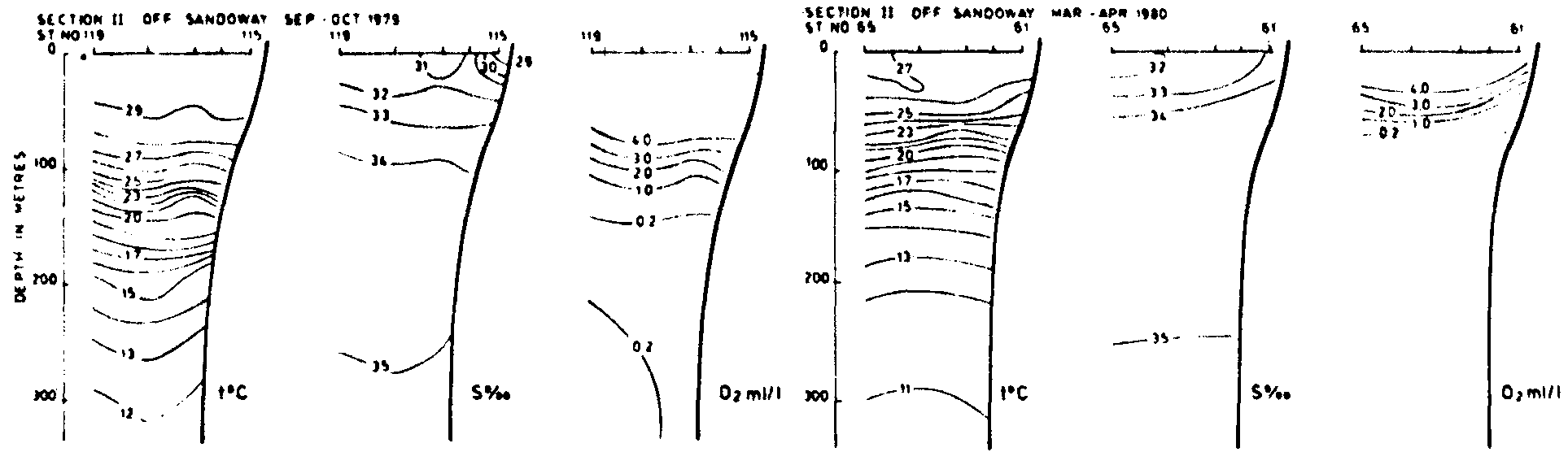
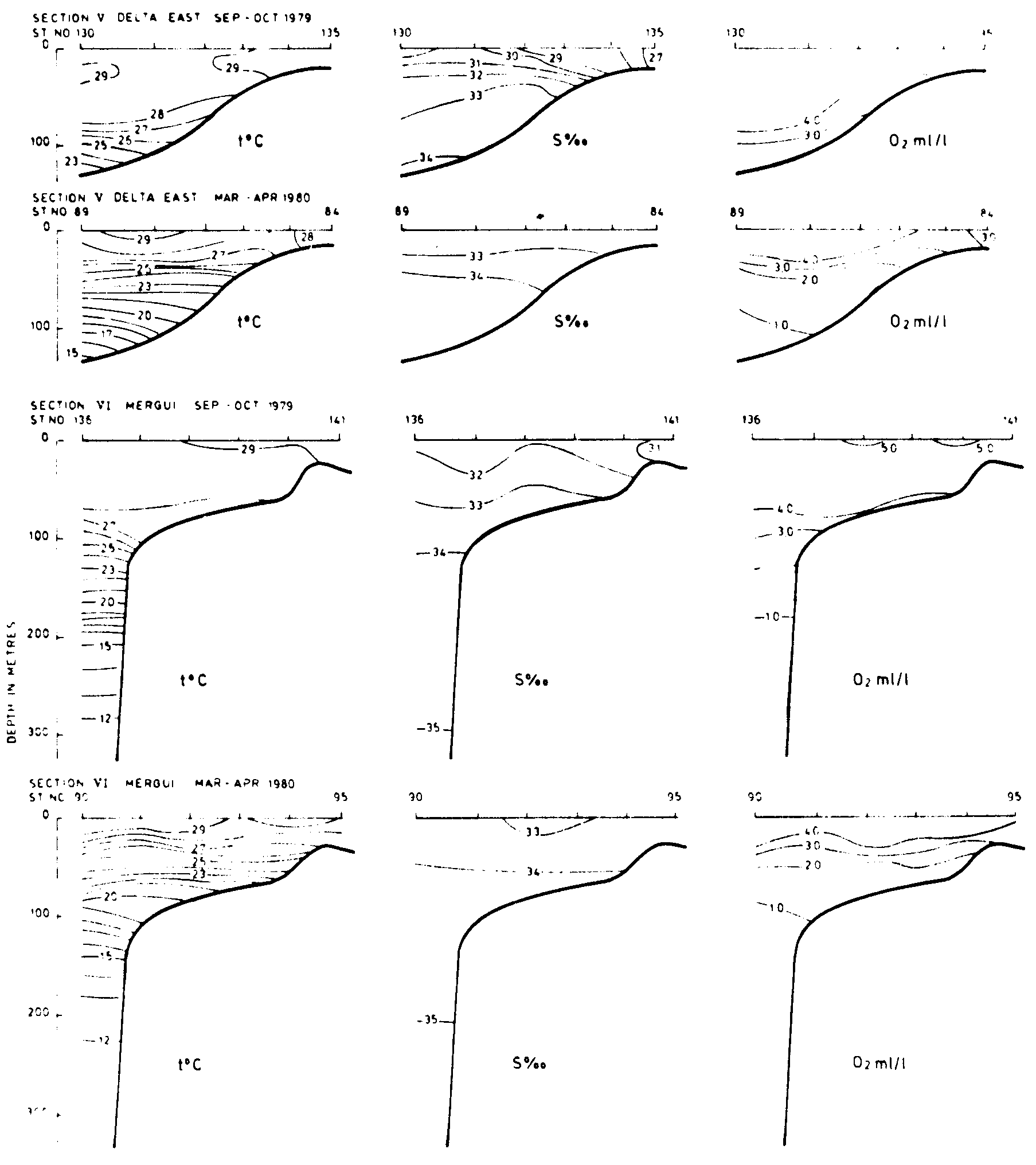
Significant changes in the hydrographic conditions of intermediate and deeper water masses from autumn to spring were also observed along the Burma coast. In Figures 9 and 10 the distributions of temperature, salinity and oxygen content in three selected sections can be compared for the two survey periods. The main features of these distributions appear to be similar for all the three sections: In autumn the transition layer between the upper homogeneous watermasses and the deep water was found at depths between 70 and 150 m; while in spring the transition layer occurred much closer to the surface at depths from 20 to 100 m all along the coast. Large areas of the shelf, which in autumn showed values of temperature and oxygen content higher than 26°C and 3 ml/l at the bottom, were during spring, covered with water of lower temperatures (<23°C) and less oxygen content (<2 ml/l). The slopes of the isolines in Figs 9 and 10 may indicate a shorewards movement of the bottom waters on the shelf with corresponding upwelling in near shore areas during spring. In particular this seems to be pronounced off Arakan and in the Delta region.
Thus the observations indicated large seasonal variations in hydrographic conditions both in the surface and bottom layers on the continental shelf; variations which in turn may cause fluctuations in fish distributions patterns both horizontally and vertically.
In deeper waters, at depths greater than 150-200 m, below the transition layer zone, the hydrographic conditions were more stable. It should, however, be noted that the oxygen content of the deep water were lower in the Bay of Bengal (Arakan), less than 0.2 ml/l, than in the Andaman sea (Delta and Tenasserim), not less than 0.8 ml/l.