Broader

1985-2005

Global détente creates political will for more holistic progress

FAO

From 1985 onwards, a renewed sense of the achievable flourishes. The animosity between rival political blocs thaws. News of an unfolding famine in Ethiopia triggers a surge of international solidarity and collective action. With the Live Aid concerts in London and Philadelphia, the fight against hunger crosses over into popular culture. Later perceptions of a Western-skewed, “charity” mindset aside, the event crystallizes a grassroots appropriation of global challenges. The concept of civil society, having long languished in the more obscure corners of political theory, gains currency. Citizens feel newly empowered to shape global outcomes. Non-governmental organizations (NGOs) morph into international actors.

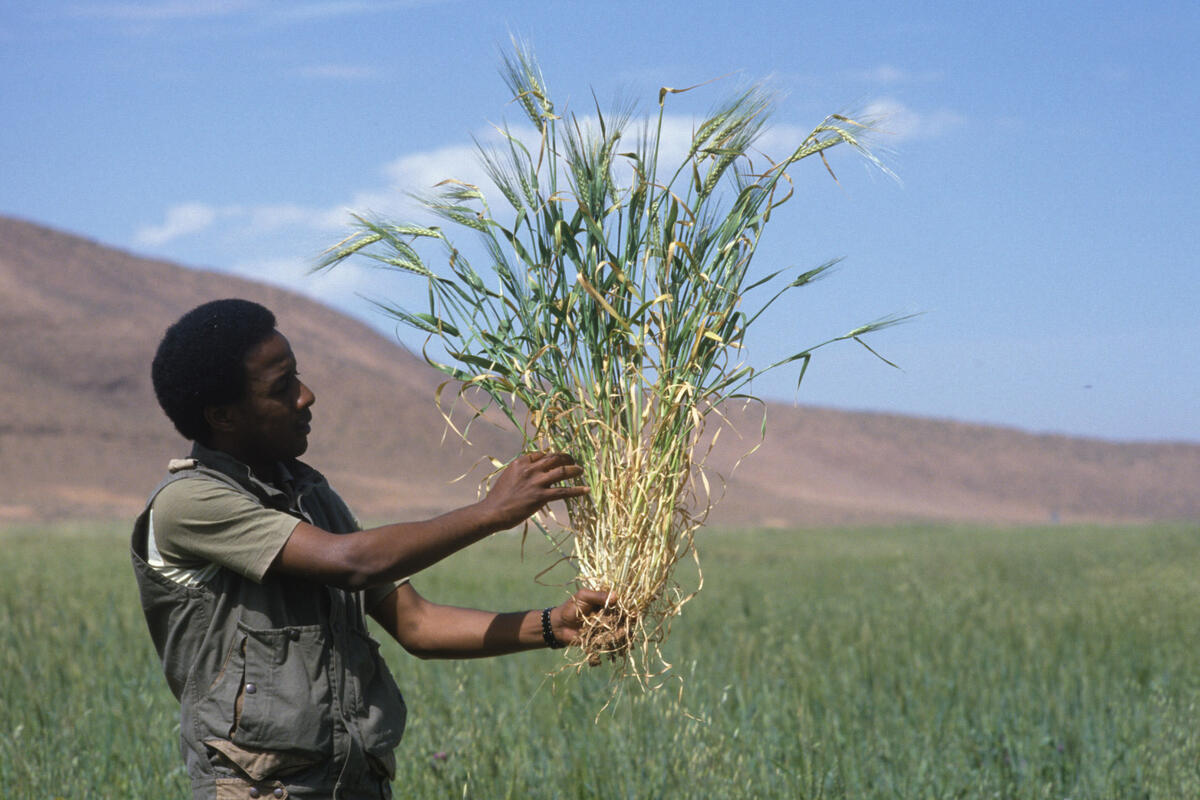
A man in an African field holds high ears of wheat
info
close
In 1985, FAO launches its 25-country Agricultural Rehabilitation Programme for Africa
©FAO/Jeanette Van Acker
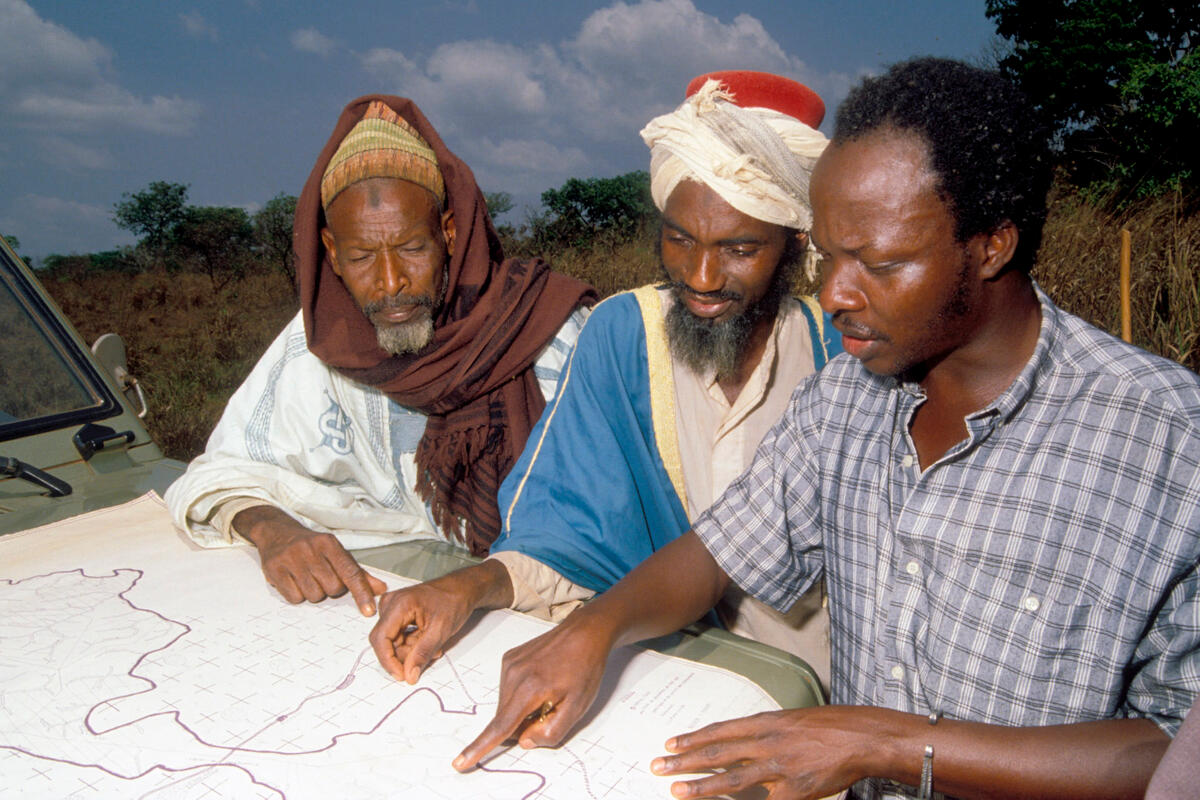
A man in city clothes helps two Central African herders trace grazing area boundaries on a map spread over a car's bonnet
info
close
Teaching herders to control grazing areas in the Central African Republic
©FAO/Roberto Faidutti

The fall of the Iron Curtain in 1989 seals this epochal shift. By the early 1990s, nations born or reborn out of the USSR have joined international organizations, including FAO, as sovereign members.

The European single market comes into being, then the World Trade Organization. A wave of liberalization sweeps the planet. Commercial barriers are dismantled. But increasingly globalized exchanges translate into increasingly globalized food safety concerns. An outbreak of bovine spongiform encephalopathy (or “mad cow disease”) in British herds is linked to the incidence of the degenerative neurological condition Creutzfeldt-Jakob among beef consumers: the episode shines a disturbing light on the continuum between human and animal health. Drawing on FAO’s expertise in combating livestock diseases, the Codex Alimentarius tackles the fraught question of animal feed – a further layer of complexity in the effort to secure safe, sufficient and nutritious food for all.

The mid-1990s find FAO an unquestionably more sophisticated outfit in terms of its breadth of knowledge and statistical prowess. Born as a stately norm-issuing agency, long unrivalled as a supplier of agricultural expertise, it must adapt to an era of deregulation. Agricultural initiative and standard-setting power have by now largely passed to the private sector. Governments themselves, particularly in countries in transition, are increasingly looking to think-tanks and independent foundations for policy advice; and, as crisis follows crisis, the capacity for quick public and political mobilization is ever more the domain of global NGOs.

Even so, the United Nations continues to shape the global development debate. A new paradigm emerges, in which multiple strands of environmental, human rights and global health discourse converge. To this, FAO and other partners contribute a muscular food security component. On the ground, however, development remains a lopsided affair; and even what has been understood by development is, in some ways, being called into question.

info
close
Farmers at the site of a watershed management project in Myanmar (then Burma)
©FAO/Giuseppe Bizzarri

By the 1990s, the model of industrial agriculture in much of North America and Europe had generated quantities of food unimaginable at the time of FAO’s foundation. Agribusiness consolidation and mountains of surpluses; animals fed and bred for ever greater yields; the spread of monocultures; the rise of ultraprocessed foods – all testified to production modes and supply chains that filled supermarket carts but paid less heed to resource conservation, environmental concerns or nutritional balance. In much of the developing world, soils were eroding. Deserts expanded, forests receded. Wild habitats shrank. Agriculture remained cash-starved, essential needs unmet. Hunger and malnutrition still maimed lives in their hundreds of millions.

Lorem ipsum dolor sit amet, consectetur adipiscing elit. Sed scelerisque dapibus magna id sagittis.

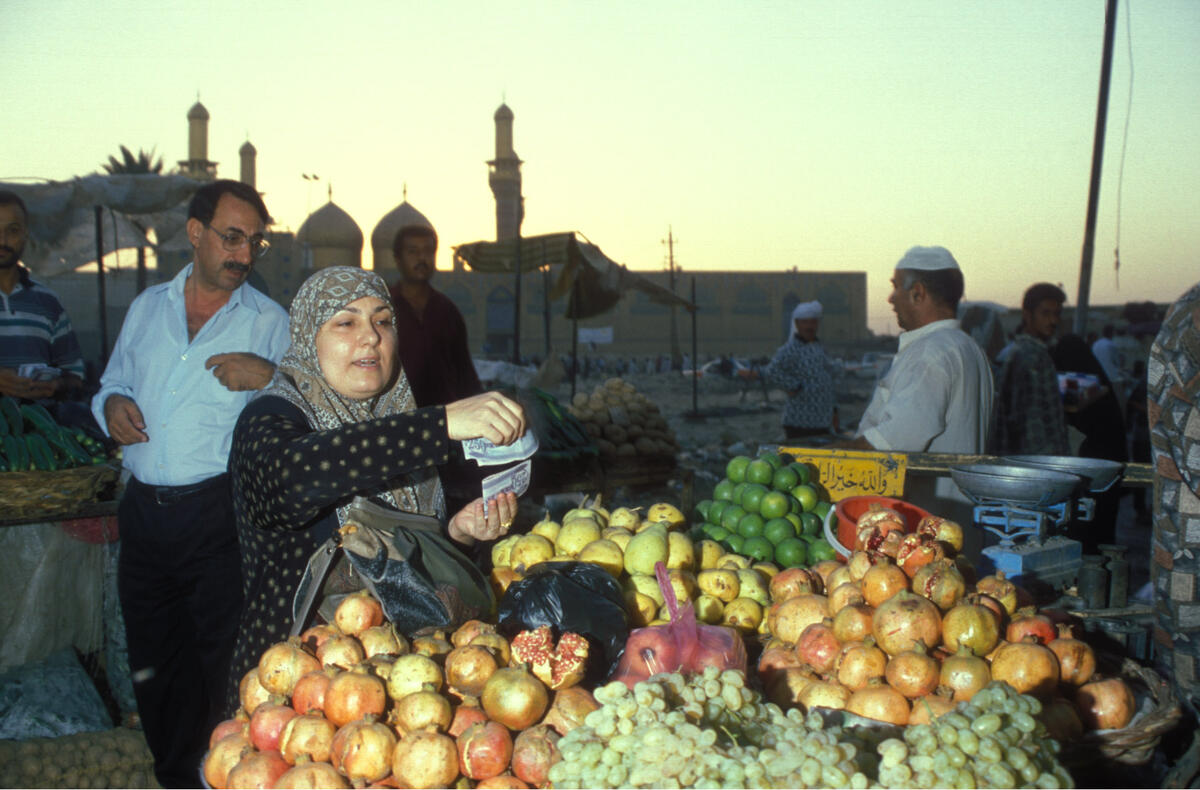
In 1996, Pope John Paul II told a World Food Summit convened by FAO that the persistent contrast between indigence and opulence was “unbearable to humanity”. A year later, FAO launched its TeleFood fundraising campaign, financing farming projects in over 100 nations. (Ten years on, in 2007, an evaluation would find the programme had put more than USD 14 million in farmers’ hands, though not always benefiting the poorest countries or the poorest farmers in the targeted communities; it recommended folding TeleFood into wider advocacy efforts, with a more systemic approach to the underlying causes of hunger. In this, the review could be said to echo some of the criticism of the Live Aid campaign: worthy, but taking aim at the symptom rather than the disease.)

Rome Declaration on World Food Security – 1996 [excerpt]

We reaffirm that a peaceful, stable and enabling political, social and economic environment is the essential foundation which will enable States to give adequate priority to food security and poverty eradication. Democracy, promotion and protection of all human rights and fundamental freedoms, including the right to development, and the full and equal participation of men and women are essential for achieving sustainable food security for all.

In the mid- to late 1990s, as the pursuit of food security became closely bound with the protection of the environment and human health, FAO stepped up work on controlling hazardous pesticides. Potentially fraught intersections were meanwhile appearing between the world of farming and that of intellectual property law. In 2001, several years of negotiations within the Commission on Genetic Resources for Food and Agriculture, a body established by FAO nearly two decades prior to safeguard and promote biodiversity, resulted in the International Treaty on Plant Genetic Resources for Food and Agriculture. There was now, for the first time, a basis for the equitable sharing of genetic material among plant breeders, farmers, and public and private research institutions. Over time, the commission’s mandate expanded beyond plants to cover wider natural resources relevant to food and agriculture, including animal and aquatic.

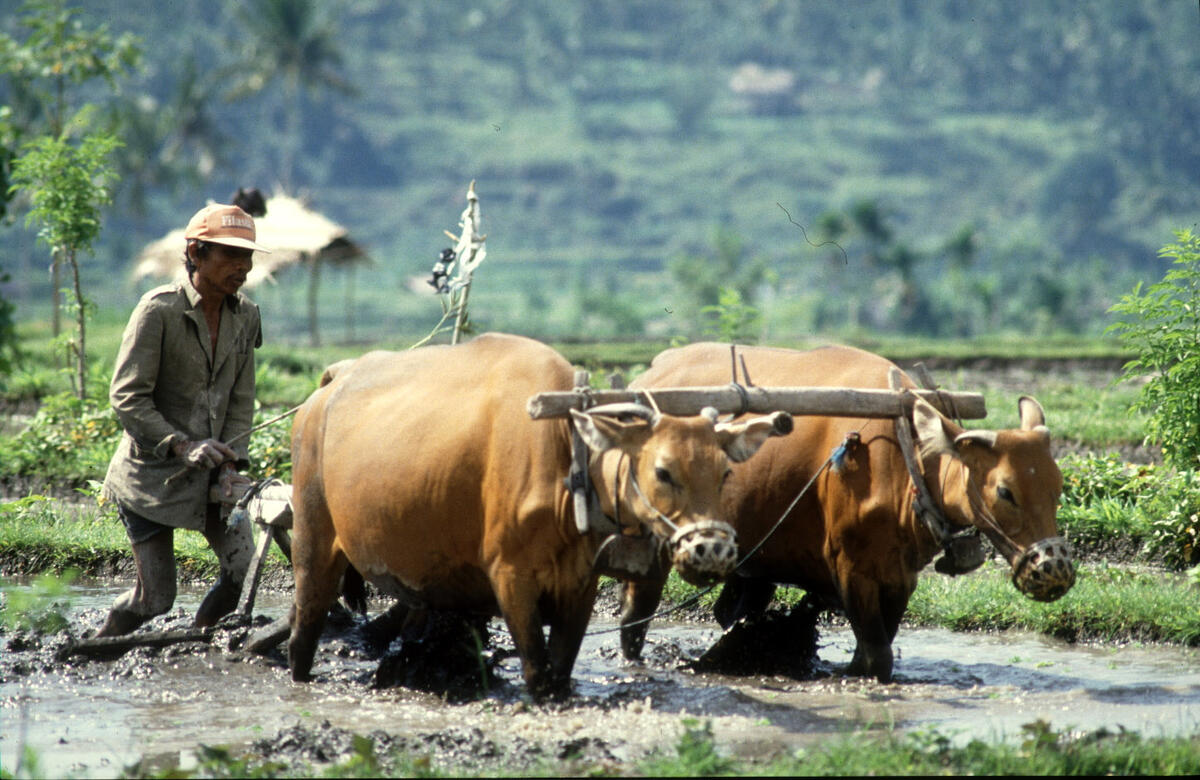
An Indonesian farmers ploughs a rice field with two buffalo through splashing water
info
close
Ploughing the rice fields of Indonesia
©FAO/Roberto Faidutti
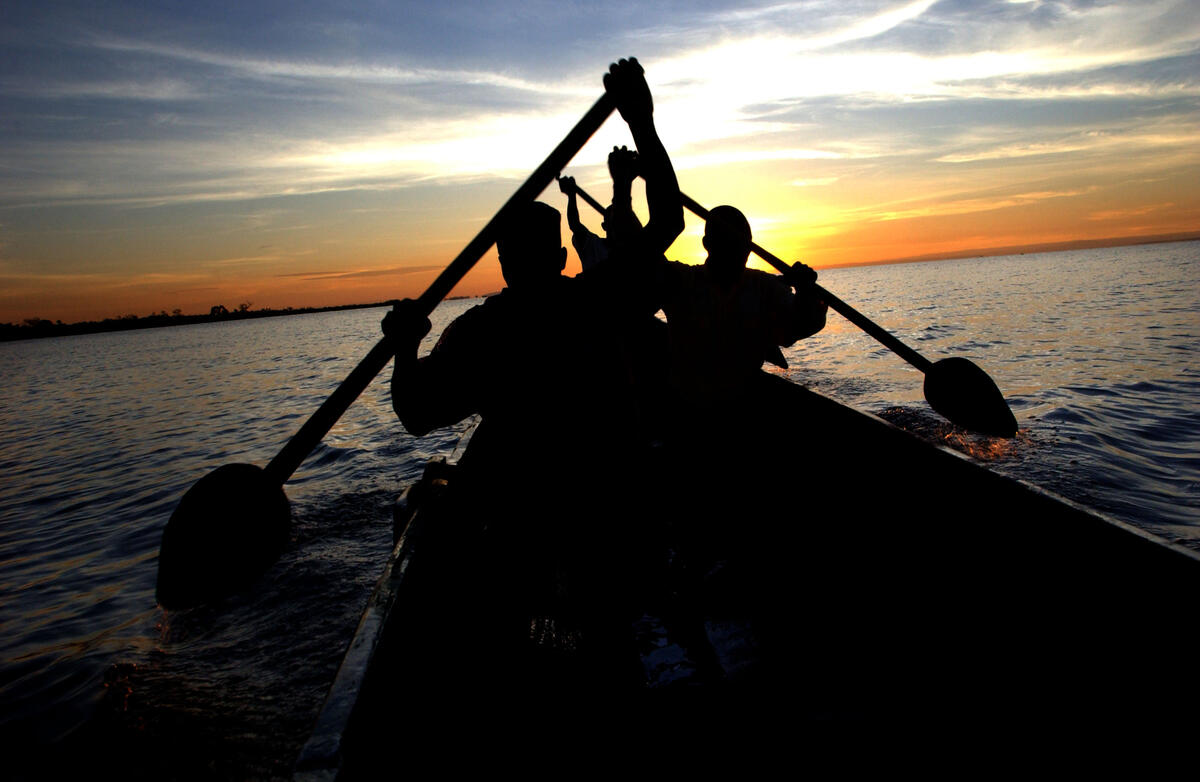
Three men are rowing, silhouetted against the setting sun
info
close
Fishing responsibly as stocks dwindle in Lake Victoria
©FAO/Ami Vitale

As the world stepped into a new millennium, further dimensions and liabilities were coming to the fore. Among them – a legacy of gender inequality, amid evidence that food insecurity hits women and girls harder (FAO was by now into its second six-year “Women in Development” plan of action); the loss of biodiversity, which jeopardizes the food sources of impoverished communities; the plight of Indigenous Peoples, often marginalized, their unique agricultural knowledge at risk; and the extent to which strong institutions help keep hunger at bay.

Developing nations chasing GDP growth as a fast track to progress found that food insecurity came at a price. Studies published since have shown African countries forfeiting up to 16 percent of annual output as child malnutrition curbed educational attainment, reduced workplace longevity, dented productivity and drained public health systems.

info
close
Weaving raffia in a Ugandan village
©FAO/Roberto Faidutti

In short, the international community concluded that to cure one ill, you had to tackle many. The job of human development could be divided into tasks, but it would succeed or fail as a whole; all levers must be pressed at once. Nor could development continue to be simply a top-down affair, from rich to poor: developing nations – the larger ones especially – had often acquired precious experience to share. In some cases, this could amount to a global record of excellence, whether China’s agricultural expertise or Brazil’s school meals programme. (Known as South–South and triangular cooperation, this system of horizontal training and information exchange between developing nations has a long history at FAO, but has seen particular growth since 2019.)

Corporate strategy components, FAO 2000–2015 Strategic Framework [excerpt]

  • improving the opportunities available to the rural poor to strengthen, diversify and sustain their livelihoods by taking advantage of the potential synergies between farming, fishing, forestry and animal husbandry (…);
  • supporting efforts to strengthen local institutions and to enact policies and legislation that will provide for more equitable access by both women and men to natural resources and related economic and social resources (…);
  • improving the efficiency and effectiveness by which the public and private sectors respond to the multiple and differing needs of disadvantaged rural populations (…);
  • promoting gender-sensitive, participatory and sustainable strategies and approaches, based on self-help, capacity building and empowerment, to improve the skills of the rural poor and local, civil society and rural people's organizations.

In 2000, the United Nations adopted eight Millennium Development Goals (MDGs), a detailed to-do list for humanity. The same year, the language in FAO’s Strategic Framework displayed much the same spirit – far-reaching but precise, ambitious yet mindful of specifics. More directions of action were envisaged, more stakeholders acknowledged. The roles of the private sector and civil society were explicitly recognized. FAO’s lens was now trained on smallholder farmers, community-level concerns and nature-based solutions; more responsive to expectations of inclusiveness and accountability; angled less towards abstract aggregates and more towards vulnerable demographics. Conservation and sustainability enter a lexicon once dominated by intensification and productivity.

back to top

Back to top