Introduction

The devastation of conflict triggers the first concerted effort to feed the world

FAO

Hope out of horror. Vision out of waste. And out of ruins, a collective rolling-up of sleeves. The year is 1945. The end of the war is spurring renewal across the breadth of thought and human endeavour: in economics and governance; in science and social studies; in industry and engineering; in the humanities and the arts. But also, and not least, in the realm of values and aspirations.

A commitment to peace is the new proclaimed creed, coupled with a sense of the possible. Despite the emergence of new divisions in the form of the Cold War, and simmering colonial tensions aside, a new internationalism takes root. With it comes a determination to end, once and for all, the ills that have plagued humankind.

Chief among these are poverty and hunger.

Planet of the famished

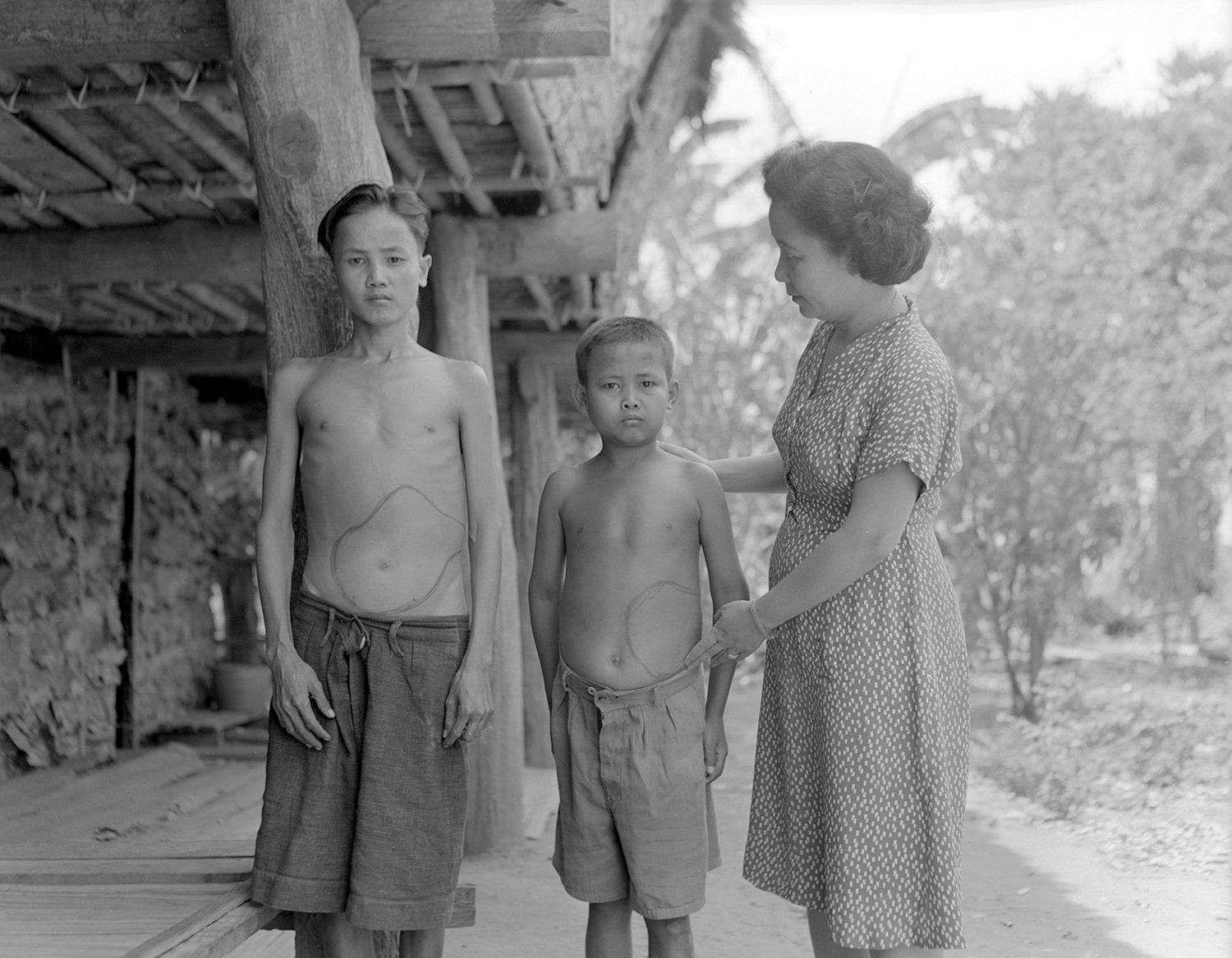
Less well known than the mass killing associated with the Second World War is just how much loss of life was linked to food deprivation. Of the 60 million deaths attributable to the conflict, at least a third are estimated to have been caused by malnutrition and associated diseases. In 1943 in Bengal, some three million perished by famine. In (then Soviet) Ukraine, hunger had slain millions even before the war started. Millions more died in China. In Western Europe, in what had been comparatively rich countries, the social and economic fallout of war was unsparingly grim: over the winter of 1944–1945 in the Netherlands, people were reduced to eating tulip bulbs; in early post-war Belgium, rickets affected 80 percent of children.

Two Thai children face the camera as a FAO expert checks their height
info
close
Lining up for nutritional assessment in early 1950s Thailand
©FAO
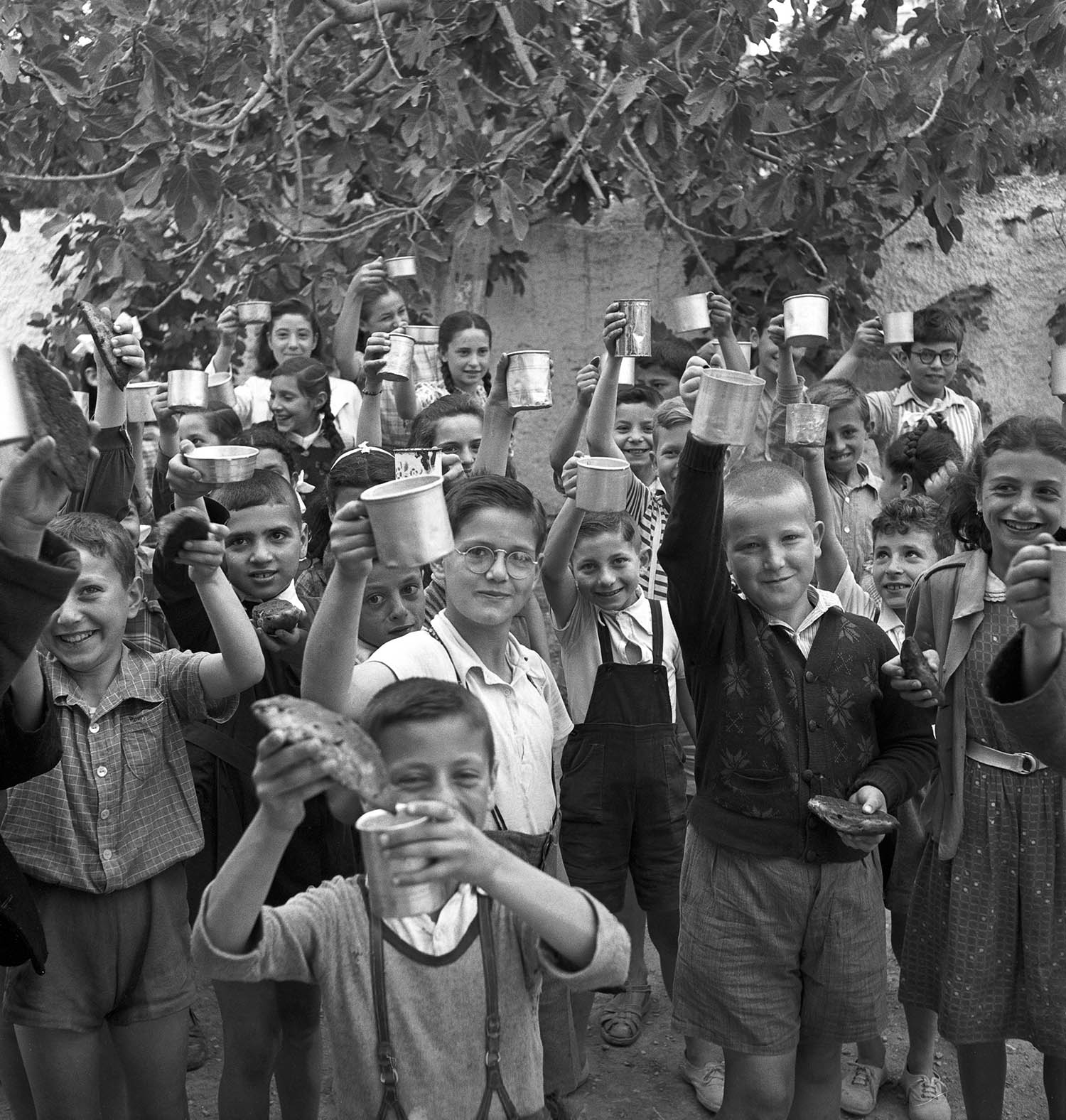
Greek schoolgirls and schoolboys smile as they hold up bread rolls and tin mugs
info
close
Hurray for school breakfast in early post-war Greece
©UN Photo

Agriculture was, by and large, ravaged. Across swathes of the globe, food production had shrunk – by up to a third in Europe, in the countries that formed the Union of Soviet Socialist Republics (USSR) and in North Africa, and by a tenth in East Asia. The world population had meanwhile swollen by a tenth. This made for an overall drop in per capita farm output of 15 percent from pre-war years. Demographers offered little succour: projections suggested a further, imminent surge in the number of mouths to feed. And indeed, by 1955 the population of Latin America – to take just one example – had grown by almost 50 percent compared to pre-war levels.

From vision to home

Even as much of the world struggled to feed itself, bold new words were outlining new horizons. Already in 1941, in a speech that would inspire the foundational principles of the United Nations, the President of the United States of America, Franklin D. Roosevelt, had listed freedom from want among his “Four Freedoms”. He defined it as “economic understandings which will secure to every nation a healthy peacetime life for its inhabitants, everywhere in the world”.

In a landscape of desolation, North America stood out. The United States homeland had been spared direct conflict: agricultural production had continued to rise, recovering from the crisis of 1929 and the early 1930s. The intellectual drive which led to the creation of the Food and Agriculture Organization of the United Nations (FAO) originated there.

The end of the Second World War provided the impetus. Yet the concept of what would become FAO – the idea of a congress with a mission to spread agricultural expertise and improve the lot of farmers across nations – pre-dated the war. The institutional seed had been planted as early as 1905 by one visionary American, David Lubin. His initiative, which garnered little notice at home, proved persuasive with the Italian royal court.

Foundations

David Lubin (1849-1919) 

A Polish-born Californian agronomist, Lubin was a tireless campaigner and organizer for agriculture and its practitioners. Over a lifetime spent as an entrepreneur, thinker and activist, he became convinced that only an international body could successfully defend the interests of farmers battered by price fluctuations, saddled with low social prestige, and deprived of political bargaining power.

Trying his luck first in the United States of America, then in France and Britain, Lubin eventually found favour with King Victor Emmanuel III of Italy. On 7 June 1905, the Italian Government convened the first conference of the International Institute of Agriculture (IIA), headquartered in Rome. The institute’s mission was to help farmers share their knowledge, establish a system of rural credit unions and take control of their produce in trade. At the first meeting, 46 countries were represented. The IIA ceased operations in 1945, when FAO took over the mandate of international coordination in agriculture.

The new Organization named its library after David Lubin. It continues to house Lubin’s personal archive, including his essays and treatises.

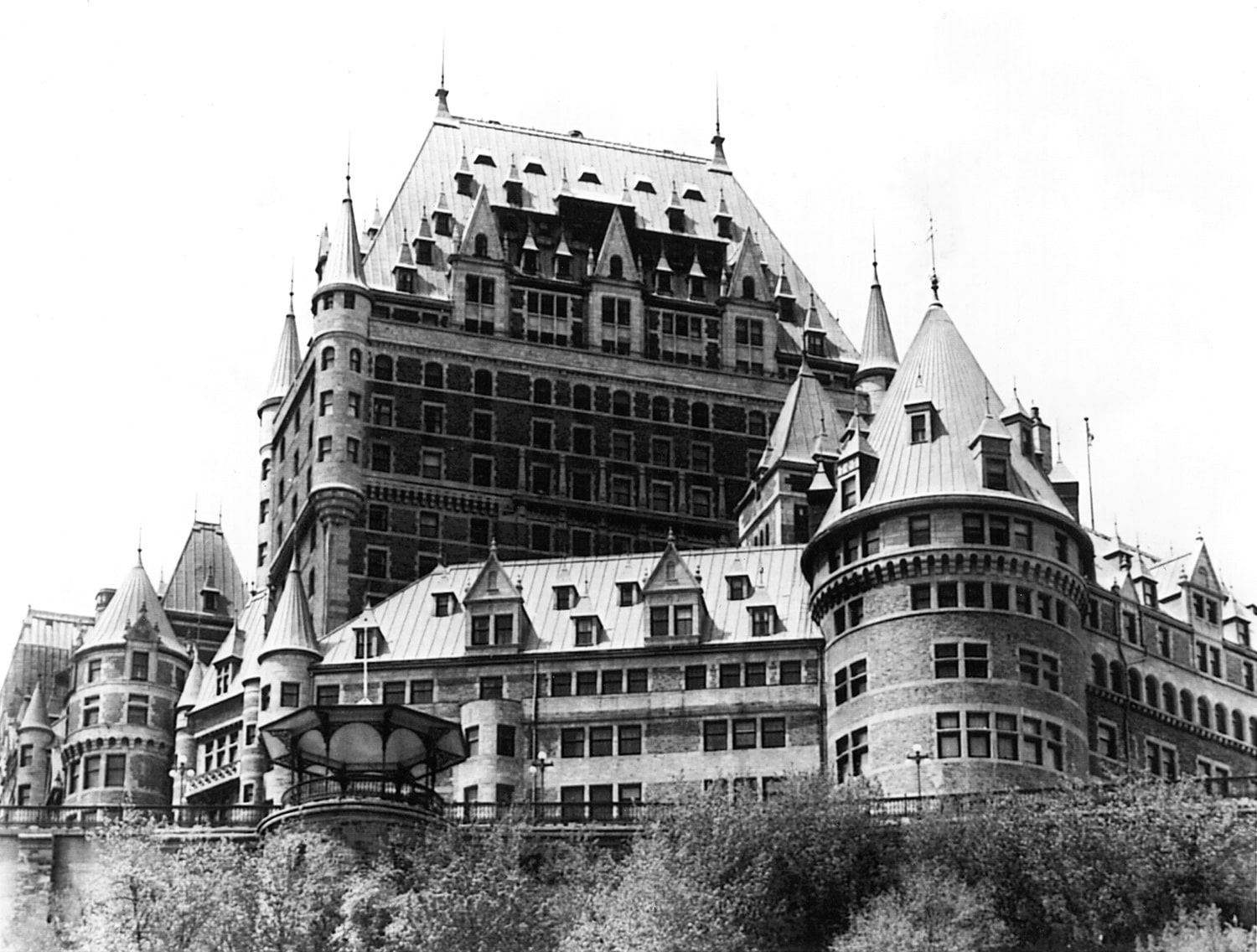
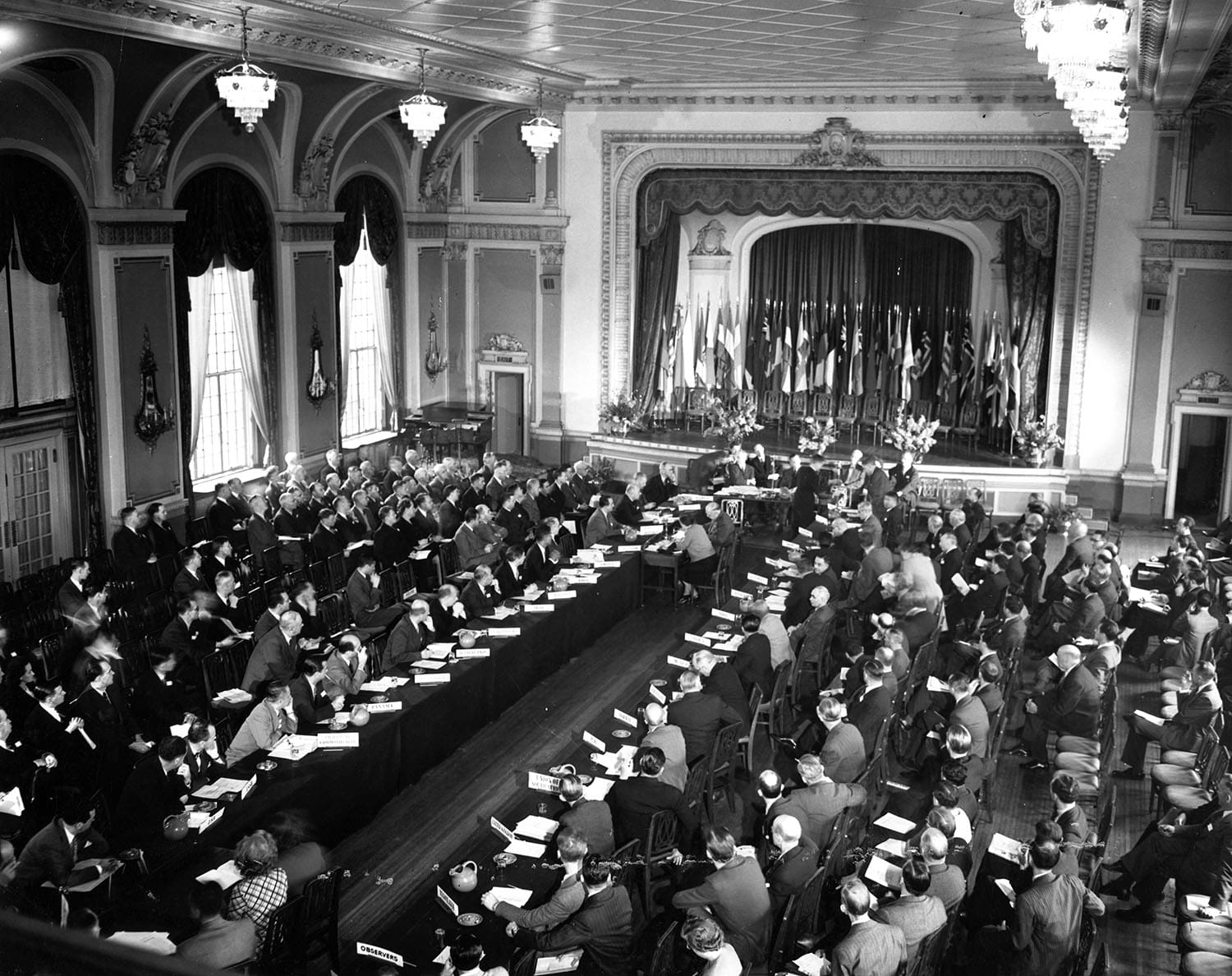
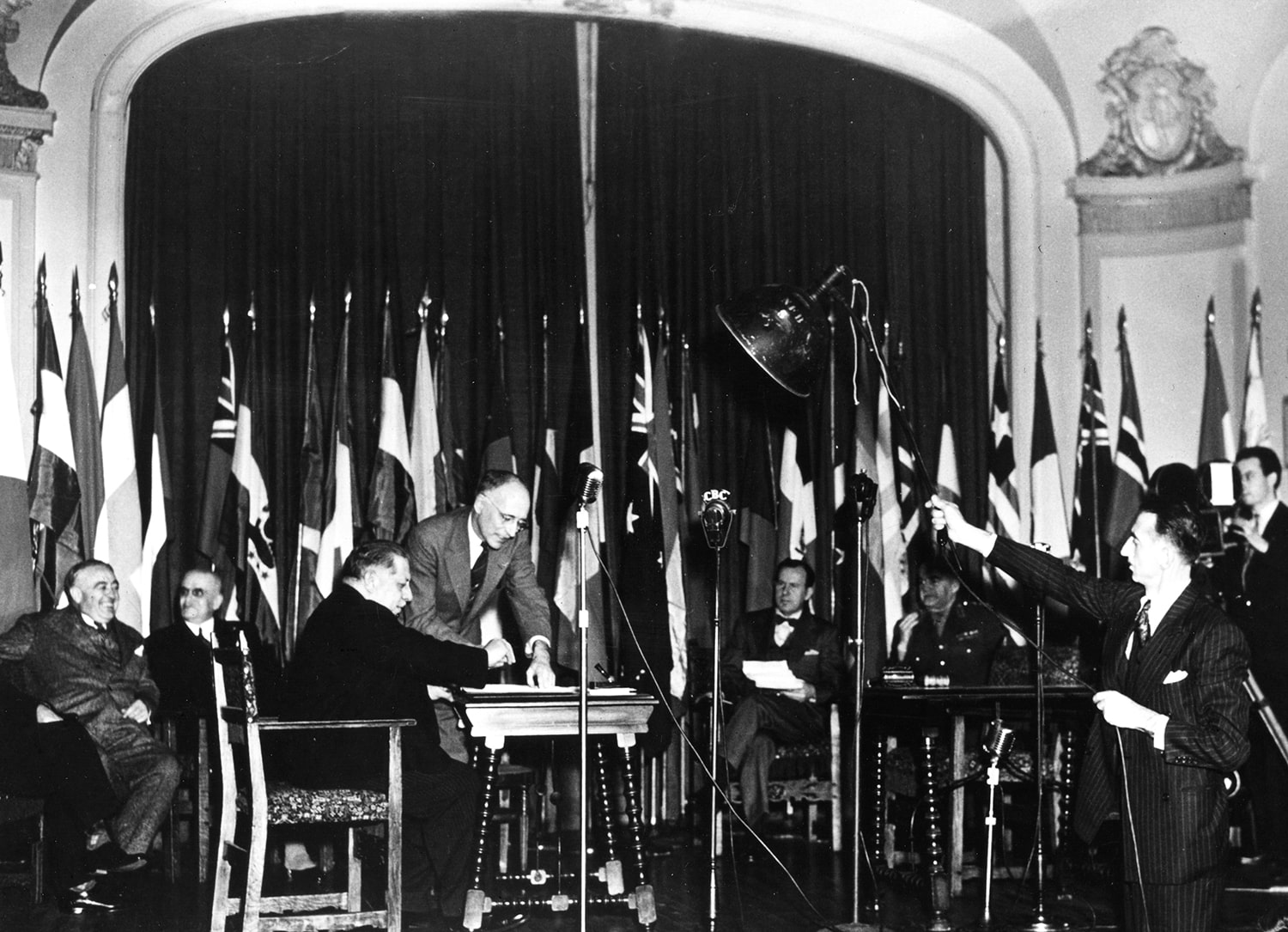
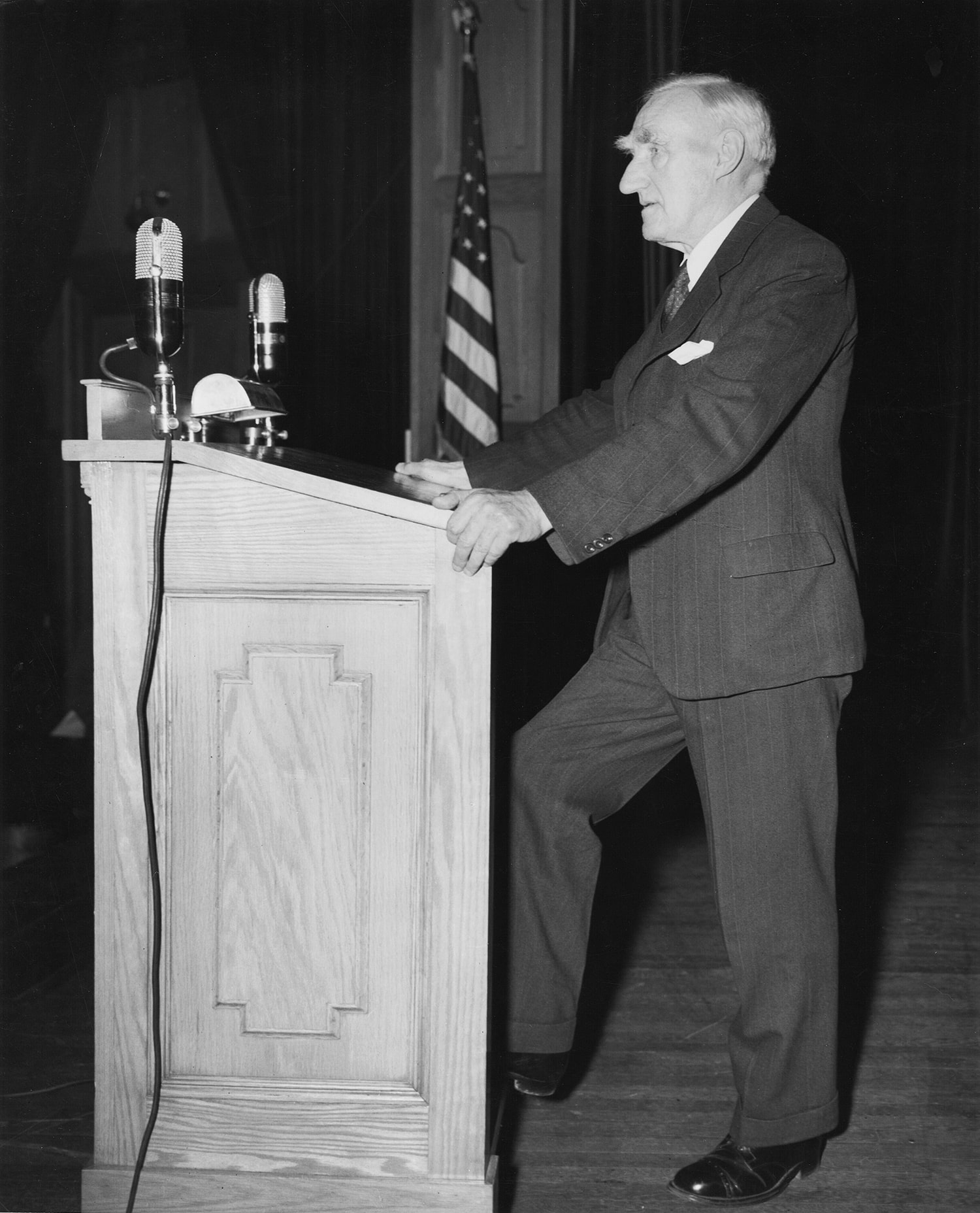
On 16 October 1945, meeting at the emblematic Château Frontenac in Quebec City, 34 governments signed the Constitution for a permanent organization in the field of food and agriculture. Two weeks later, by the end of this first Conference on Food and Agriculture, membership exceeded 40. FAO’s creation technically pre-dates that of the United Nations itself, which would not come into being for another eight days. (The United Nations Charter had been signed the previous June in San Francisco, United States of America, but had yet to meet the threshold for ratification.) The Organization’s Constitution established it as a collaborative body, with a wide mandate to further agricultural knowledge and nutritional well-being. The first Director-General was the Scottish biologist, nutritionist and peace advocate John Boyd Orr. A year after leaving FAO in 1949, Boyd Orr was awarded the Nobel Peace Prize.

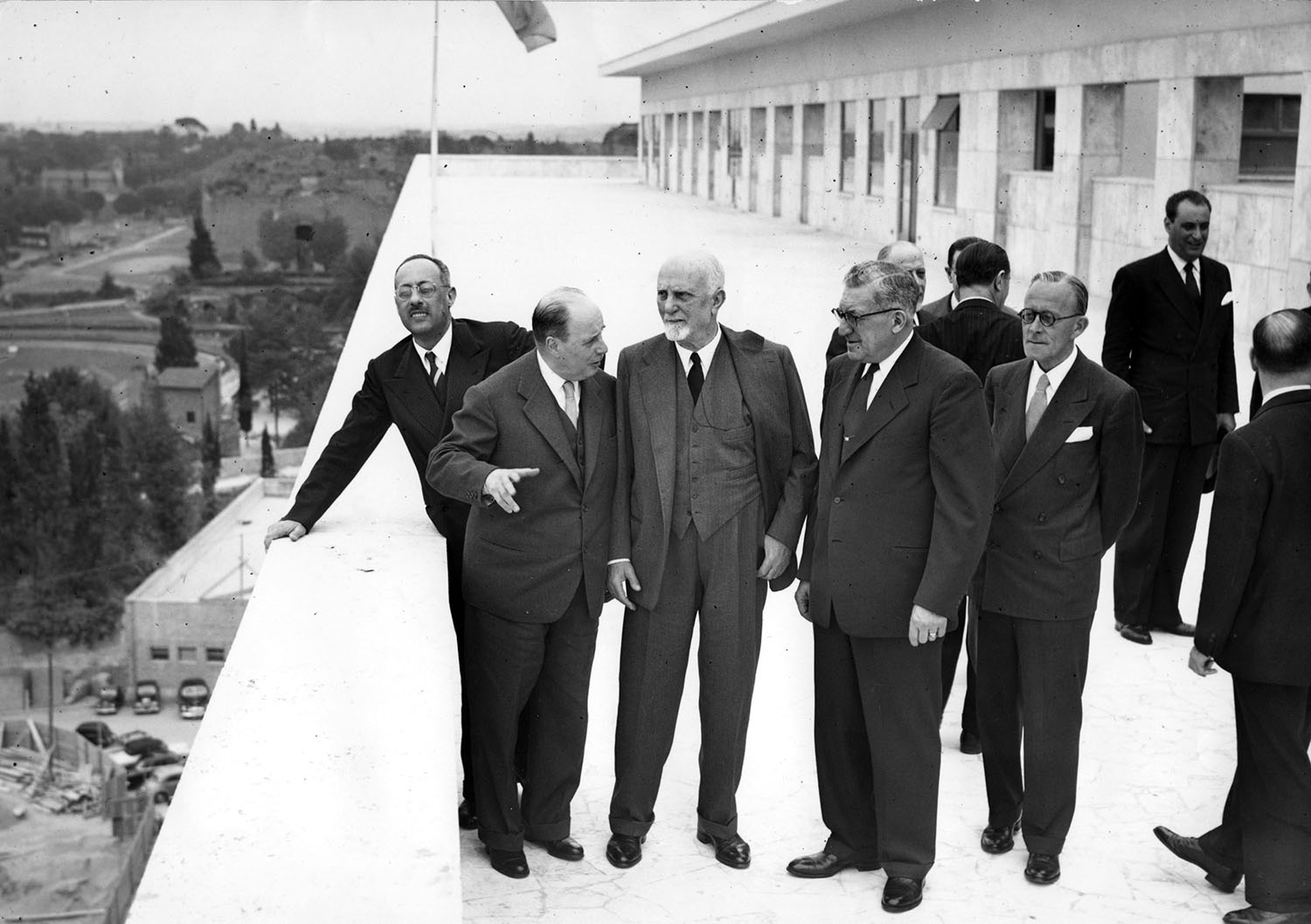
Initially located in Washington, DC, FAO headquarters was then transferred to Rome, home of the IIA, in recognition of Italy’s record of pioneering food-related international cooperation. Come 1951, the Organization would take up residency in a building repurposed from its initial destination as the colonial-era Ministry of Italian Africa. Bridging the space between two ancient sites, the Baths of Caracalla and the Circus Maximus, the Palazzo FAO, designed along rationalist principles and extended with elements of post-war international style, is among the more architecturally significant premises of United Nations (UN) agencies.

Preamble to FAO’s Constitution [excerpt]

The Nations accepting this Constitution, being determined to promote the common welfare by furthering separate and collective action on their part for the purpose of:

  • raising levels of nutrition and standards of living of the peoples under their respective jurisdictions;
  • securing improvements in the efficiency of the production and distribution of all food and agricultural products;
  • bettering the condition of rural populations;
  • and thus contributing towards an expanding world economy and ensuring humanity's freedom from hunger;

hereby establish the Food and Agriculture Organization of the United Nations […] through which the Members will report to one another on the measures taken and the progress achieved in the field of action set forth above.

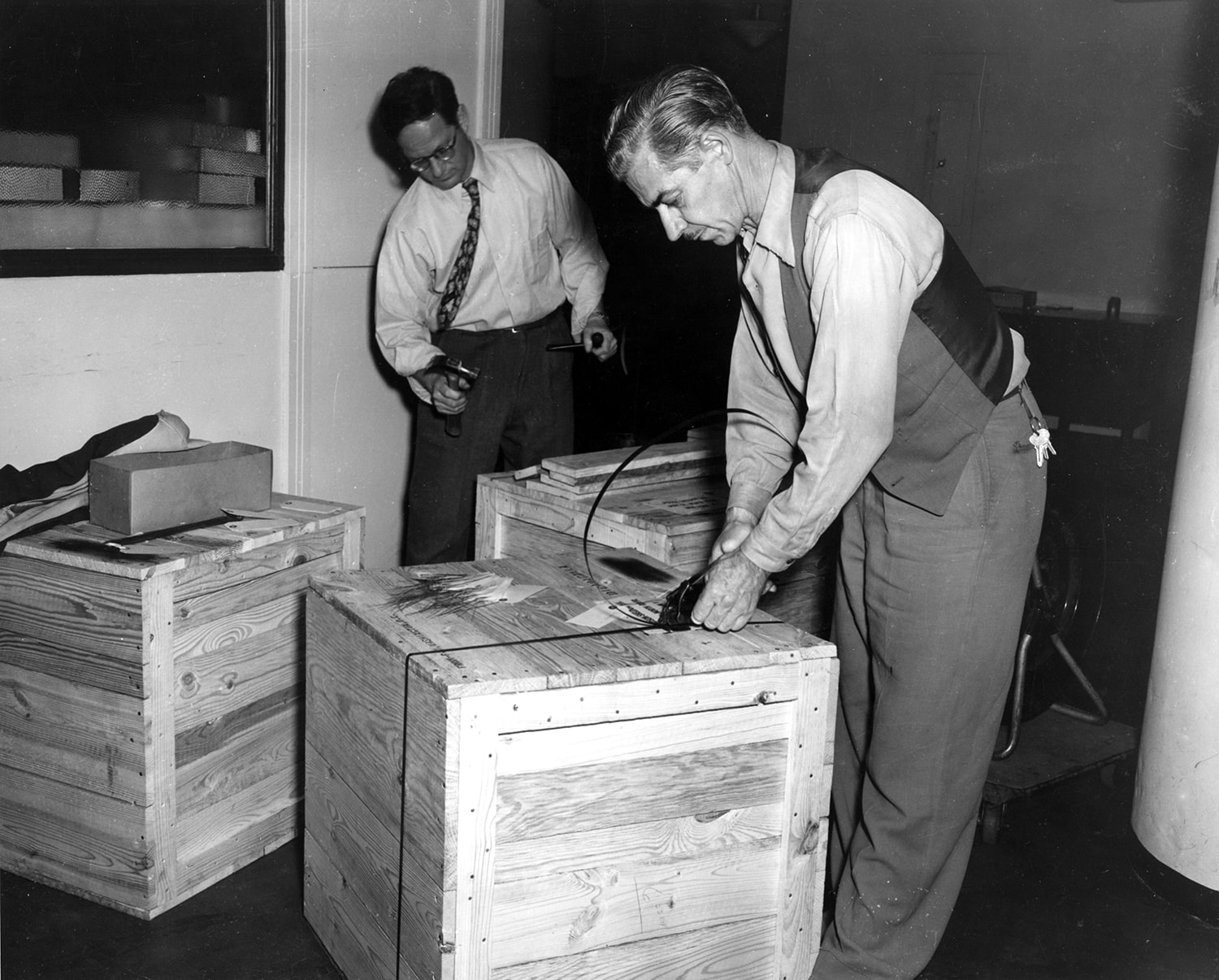
Two men nail shut crates for transport
info
close
Crating up for a transatlantic move
©FAO
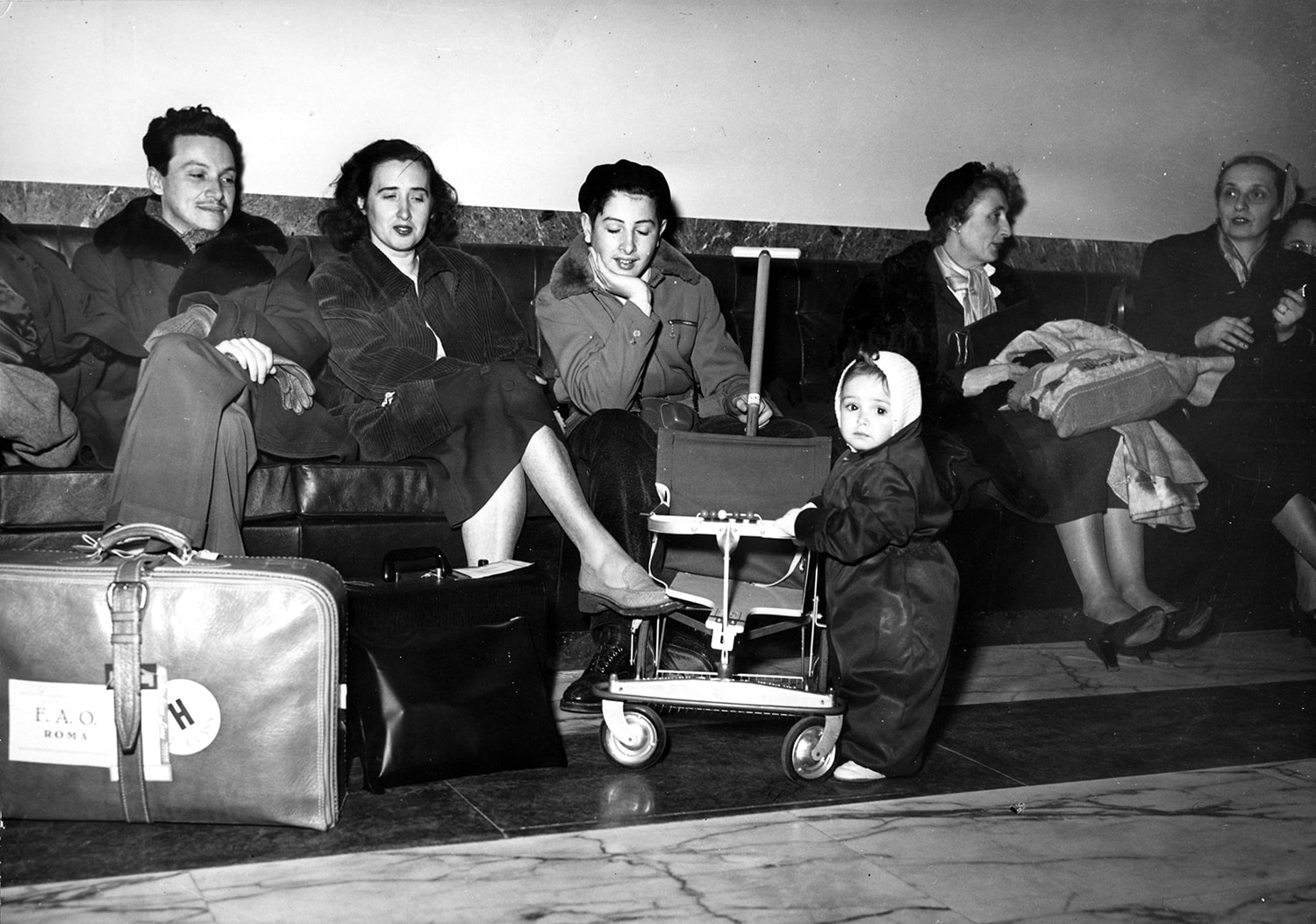
Four women, one man and a young child await transfer among pieces of luggage
info
close
Stopping off in Naples en route to Rome
©FAO
Senior delegates take in the view from the rooftop of the Palazzo FAO in Rome
info
close
Planned as a colonial ministry, the Palazzo FAO finds new purpose
©FAO
info
close
Finishing touches: FAO's headquarters is among the most architecturally significant of UN buildings
©FAO
back to top

Back to top