3.1 Introduction and Overview
3.2 Irrigated Rice Ecosystem Programme
3.3 Rainfed Lowland Rice Ecosystem Programme
3.4 Upland Rice Ecosystem Programme
3.5 Deep Water and Tidal Wetlands Ecosystem Programme
3.6 Cross Ecosystems Research Programme
3.7 Disciplinary-based Divisions
3.8 Research Support Services
3.9 Overall Assessment
In 1990, IRRI reorganised its research on an ecosystem basis, firmly establishing an emerging theme of setting rice improvement within a wider context of both the crop environment and rice farming systems. The reorganisation also made explicit IRRI's concerns with growing poverty in disadvantaged areas as well as environmental issues such as soil degradation.
At the same time, greater emphasis was given to strategic rather than applied research, partly to fulfil the obligations of a CGIAR centre with global responsibilities and partly to acknowledge the emergence of stronger NARS. In this context IRRI has described its role under four headings:
· Supporting research underway in the national systems;· Conducting research of supranational importance;
· Initiating work utilising newly available research tools to understand newly identified problems;
· Enhancing international research collaboration.
Adoption of an ecosystem strategy required changes in research focus, particularly for more effort in resource management, with all its complex multi-disciplinary demands, and for greater attention to the longer term issues of yield stability and sustainability.
Research is organised under five Programmes. Four represent major rice production ecosystems - Irrigated, Rainfed Lowland, Upland, and Deep Water and Tidal Wetlands. In each of these, interdisciplinary groups of scientists focus on problems specific to that ecosystem. The fifth Programme, Cross-Ecosystems, conducts research applicable across the different ecosystems or that is independent of an ecosystem focus (e.g., the development of basic techniques of analysis). A Programme Leader has major responsibility for guiding the planning of research in the Programme, including budgetary control.
Scientists, and other resources, are still located within disciplinary-based Divisions (equivalent to the previous Departments, now eight but soon to be consolidated to seven). Thus the Programmes and Divisions form a two-way research matrix in which, as some scientists describe it, "the Programmes decide WHAT research should be done, and have the budget to pay for it, while the Divisions decide HOW the research should be done, and provide the scientific staff and resources to do it".
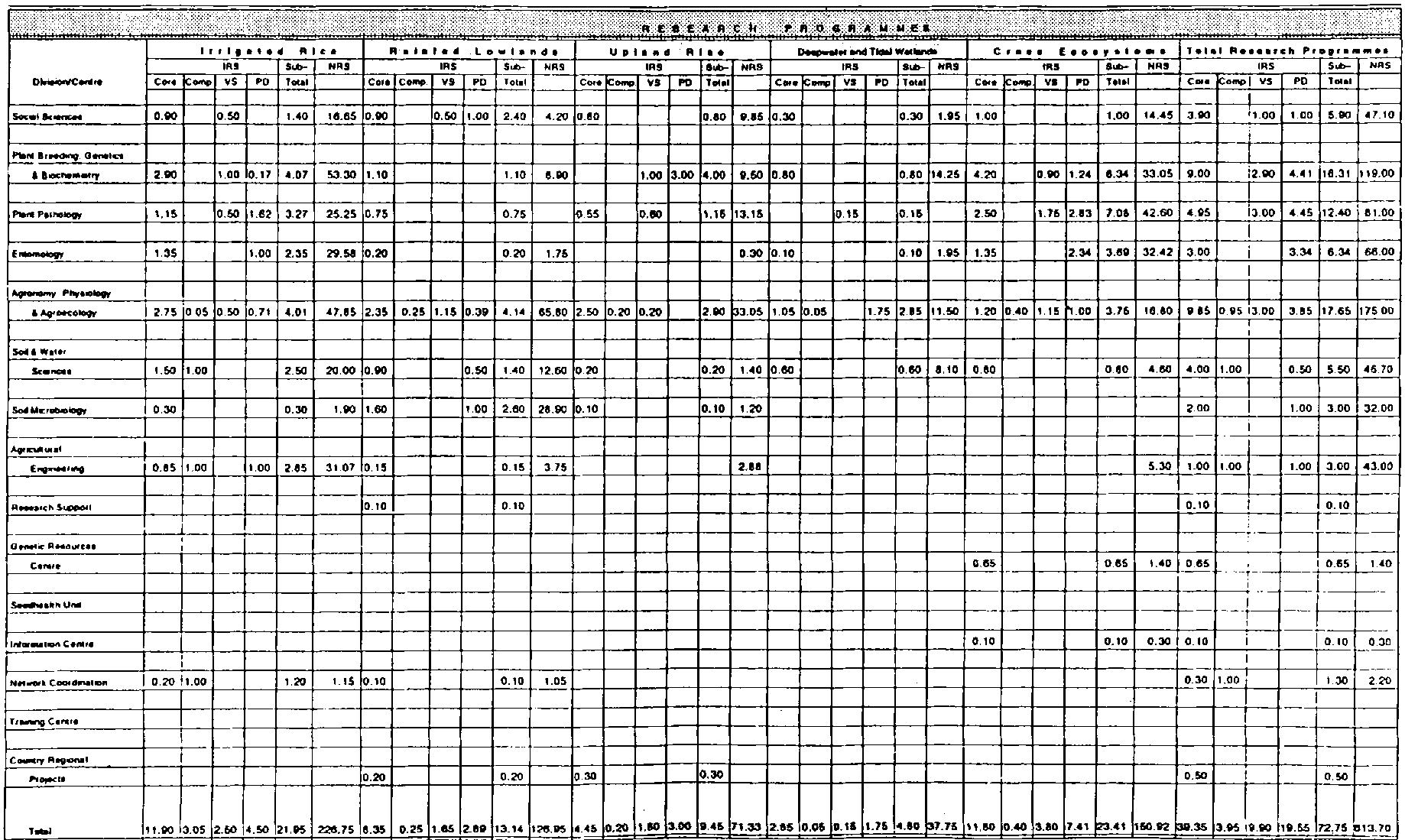
Most of the Programmes divide research efforts into Sub-programmes to indicate broad areas of study, but whether this division is made or not, all research is organised into Projects (Table 3.1). Each Project has a Project Coordinator who is one of the interdisciplinary team but may be from any appropriate discipline. There were 49 projects in 1990, and 31 in 1991, but these have been reduced to a total of 22 in 1992, ranging between two to eight per Programme. Scientists commonly refer to 'activities' within a Project, to indicate particular components (e.g., weed control, drought screening, etc). The inputs from different Divisions into each Project in terms of scientists' time are given in Table 3.2.
A further dimension has been added to the research with the concept of Research Consortia. These are aimed at "sharing responsibilities in rice research" and are implemented by "linking several NARS with IRRI to conduct jointly planned and agreed research agenda". The objective is to encourage strategic more than applied research. Only a few stronger NARS, who have the capacity for this kind of research and who can make a longer-term commitment to it, are members of a given consortium. Each NARS agrees to develop research on a particular topic (e.g., drought resistance, land and water management) on an appropriate 'key site'. IRRI makes a similar commitment. There are some central funds for workshops and training and limited funds available to each member for research activities, research supplies, local travel and minor equipment. NARS are encouraged to carry out some strategic research of value to themselves and other consortium members, but for which they normally would lack the opportunity or resources to undertake. To date, two consortia have been established, Rainfed Lowland and Upland.
IRRI has increased its emphasis on 'research networks' in which knowledge on a specific research topic (e.g., systems simulation methodology as in the SARP network) is generated and shared between institutions in both developing and industrialised countries by means of symposia, workshops or training. IRRI distinguishes between consortia and research networks on the basis of membership; consortia are restricted to invited peer institutions, while research network membership is open to all.
The following sections comment on the research in each Programme and from the perspective of the disciplinary-based Divisions. Comments are also made on the research support services and the overall management of the research. Finally, an assessment is presented.
IRRI has a 'pipeline' of emerging results. For the first three years of the five-year period covered by this review, research was carried out in the former disciplinary Departments. However, for the last two years research has been carried out within Programmes and Projects. Therefore, reports of progress for the entire five years are not easy to reconcile. Our comments on the overall research program attempt to cover important parts of the research, but we emphasise only a part, and we have attempted to comment in the context of the new Programme structure, including therein research results from the former Departments. We realize this approach may not do justice to the research efforts of the Departments, but we decided not to discuss the research of the period reviewed in a bifurcated way involving both Departments and Programmes.
Table 3.1 IRRI Projects by Research Programmes, as of September 1992
|
No.
|
Project code |
Sub-Programme/Project Title |
|
|
Irrigated Rice |
|
||
|
|
|
Germplasm Improvement |
|
|
1 |
IR92-1-1 |
|
Integrated germplasm improvement |
|
2 |
IR92-1-2 |
|
Hybrid rice |
|
|
|
Crop, Resource and Pest Management |
|
|
3 |
IR92-2-1 |
|
Crop establishment and water and tillage management |
|
4 |
IR92-2-2 |
|
Pest ecology and IPM technology development |
|
|
|
Production, Environment and Livelihood Impact |
|
|
5 |
IR92-3-1 |
|
Indices of sustainability and productivity |
|
6 |
IR92-3-2 |
|
Rice-wheat systems |
|
7 |
IR92-3-3 |
|
Global climate change |
|
8 |
IR92-3-4 |
|
Rice grain, seed quality, post harvest and biomass issues |
|
|
Rain fed Lowland Rice |
|
|
|
|
|
Sustainable Resource Management |
|
|
9 |
RL92-1-1 |
|
Resource management for enhanced production |
|
10 |
RL92-1-2 |
|
Integrated nutrient management |
|
|
|
Germplasm Improvement |
|
|
11 |
RL92-2-1 |
|
Genetics, physiology, and breeding |
|
|
Upland Rice |
|
|
|
|
|
Sustainable Land and Resource Management |
|
|
12 |
UR92-1-1 |
|
Sustainable land and resource management |
|
|
|
Germplasm Improvement and Crop Management |
|
|
13 |
UR92-2-1 |
|
Germplasm improvement and crop management |
|
|
Deepwater and Tidal Wetlands Rice |
|
|
|
|
|
Increased Productivity and Land Use Efficiency of Deepwater Ricelands |
|
|
14 |
DT92-1-1 |
|
Improved deepwater rice germplasm |
|
15 |
DT92-1-2 |
|
Crop and resource management for deepwater rice |
|
16 |
DT92-1-3 |
|
Integrated pest management for deepwater rice |
|
|
|
Improved Productivity and Sustainability of Tidal Wetlands Rice |
|
|
17 |
DT92-2-1 |
|
Improved germplasm and management for tidal wetland rice |
|
|
Cross-ecosystems Research |
|
|
|
|
|
Germplasm Evaluation and Genome Manipulation |
|
|
18 |
CE92-1-1 |
|
Genetic characterisation of conserved germplasm |
|
19 |
CE92-1-2 |
|
Genome manipulation |
|
|
|
Crop Ecology and Pest Science |
|
|
20 |
CE92-2-1 |
|
Systems analysis and modeling of rice production systems |
|
21 |
CE92-2-2 |
|
Pest science and management |
|
|
|
Environmental Characterisation, Impact Analysis and Research Prioritisation |
|
|
22 |
CE92-3-1 |
Environmental characterisation, impact analysis and research prioritisation |
|
Table 3.2 Staff Allocation by Division and Programme - Estimate for 1993
3.2.1 Evolution and Current Focus
3.2.2 Achievements and Impacts
3.2.3 Assessment
IRRI defines irrigated rice as follows: Irrigated rice is grown in bunded fields with assured irrigation for one or more crops a year; some areas are served by irrigation only in the wet season.
Irrigated rice covers 53 percent of the world's ricelands, and accounts for 73 percent of production. This ecosystem, although diverse, has been sustainable since ancient times, and now plays a significant role in providing low-cost rice to large and growing populations.
Over the years, IRRI made its greatest contributions in irrigated rice, and today it is this ecosystem that presents IRRI with perhaps its greatest challenge. With the closing of the land frontier in most parts of the world, but particularly in Asia, intensification of agriculture has become imperative. Probably nowhere has intensification been higher than in irrigated rice; where one crop per year was the norm in many places, double and even triple cropping of rice is now common, or double or triple cropping with other cereals (e.g., wheat, maize), vegetables or other crops. Such intensification places unprecedented pressures on land and water resources, with so-far unknown future consequences. Declining soil fertility, nutrient imbalances in soils, water shortages, declining water quality and many other problems threaten rice and food supplies for huge populations in Asia.
Along with the emerging problems of intensification mentioned, there are troubling signs of declining or stagnating yields on the IRRI Experimental Farm and at other experimental sites in Asia. In some places, high-producing farmers also are experiencing declining or stagnating yields, or, in some cases, decreasing factor productivity of inputs such as fertilizers. The yield decline problem is serious, and worrying, and requires strategic research to understand its nature and complexity. IRRI is uniquely placed to energize and lead an international effort on yield stagnation and decline in irrigated rice. This is perhaps the greatest sustainability issue facing IRRI today.
A related problem that needs solution is improving the yield potential of rice in general, but in irrigated rice in particular. The early high-yielding semi-dwarf varieties such as IR8 and its successors provided a new paradigm for yield improvement in tropical rice. Succeeding varieties were improved by incorporating ever-increasing multiple resistance to pests and diseases, along with increased tolerance to abiotic stresses as well as by shortening the growth duration. However, the yield potential of tropical rice has not improved much above that of IR8. A new generation of rices is needed that can yield even higher, with the additional benefits of even greater levels of resistance to pests and diseases and tolerance of stresses. Hybrid rice is expected to raise yield potentials from 15-25 percent or more. IRRI considers 10 t/ha to be the present yield ceiling for tropical irrigated rice. It should be noted that both Japan and China have initiated super-high yield projects in japonica rice; the Panel was told the Japanese effort aims to increase yields by 50 percent. IRRI has properly embarked on a new effort to raise yield potential in tropical rice.
A third related problem, and one that is even more future-oriented, is the threat, at least in the minds of some, of global climate change. Here too rice figures prominently, in that flooded rice, and irrigated rice in particular, is blamed for methane emissions that may contribute to global warming. IRRI is uniquely placed to conduct research on both the negative and positive consequences of warming and other changes that may take place, including the effects of such change on pests of rice and other conditions in the rice-growing environment.
With that brief discussion of the changing environment for rice science, we turn to the Programme itself.
The Irrigated Rice Programme is the largest of the single ecosystem programmes, comprising 40 percent of the research effort in 1992 and projected to comprise 43 percent of that effort in 1993.
Programme objectives include raising yield potential from 10-11 t/ha to 15 t/ha within the coming 20 years, understanding and reversing the yield decline, developing crop and resource management techniques to improve input efficiencies, securing yield gains, and reducing the gap between potential and actual yields.
Research activities are carried out under three sub-programmes and eight projects (Table 3.1).
Germplasm Improvement Sub-programme
To attain the priority objective of raising yield level significantly, a new plant type was designed and described in the Strategic Plan. The prototype has already been developed by hybridizing tropical japonica rices having large panicles, sturdier stems, reduced number of tillers and thick dark green leaves with short statured donors. Genes for resistance to biotic and abiotic stresses are being incorporated. Evaluation of the new lines for yield potential will start in 1994.
Rice varieties have been found which can be used as parents for developing genotypes for direct seeding in puddled flooded soil. Several new lines with aroma and multiple resistance to diseases and insects have been developed. Resistance to major diseases has been incorporated into elite germplasm. Most elite lines have multiple resistance to blast, bacterial blight, grassy stunt and, recently, resistance to tungro. Of more than one thousand breeding lines screened for low temperature, 21 had reasonable tolerance. New genes for resistance to bacterial blight, brown planthopper and tungro were incorporated into improved germplasm. Two germplasm lines were found to have some level of resistance to sheath blight.
IR68 and IR70 demonstrate remarkable utilisation efficiency for phosphorus and zinc, indicating these varieties may be used with no or minimal applications of these nutrients under moderate soil stress. Bulk populations and lines were developed for evaluation and selection on saline-alkaline ricelands of India and Pakistan. Though many salt-tolerant varieties were used to develop these materials, only crosses with two traditional varieties produced materials with high adaptability to these difficult soils.
An IRRI hybrid rice outyielded the best inbred by 11 percent in the 1990 and 1991 dry seasons. The frequency of restorer lines among elite lines developed for irrigated and rainfed conditions was high (65-76 percent), indicating there is no shortage of suitable restorer lines for developing hybrids. Attempts are being made to adapt a Chinese hybrid seed production system for the tropics. Estimated hybrid seed production costs in the Philippines range from US$750-1000 per ha, with gibberellic acid being the most expensive component (US$250-300/ha). Collaborative research on hybrid rice has been established with India, Indonesia, Malaysia, Republic of Korea, Philippines, Vietnam, Egypt and Japan.
Crop, Resource, and Pest Management Sub-programme
Since 1968, intensified rice cropping (three crops per year) in a long-term experiment at IRRI Farm has shown a linear yield decline of 35-40 percent; the Programme is trying to identify the factors responsible. Similar results have been observed in research sites at Nueva Ecija in the Philippines and Hyderabad in India, and, to assure sustainable production, it is essential to elucidate the causes of the problem.
Rice plant responses to possible changes in global climate, especially to elevated UV radiation, indicated as much as 20 percent stunting of seedlings, reductions in leaf area of as much as 30 percent, and decreased stomatal size and density in the most sensitive cultivars. Of more than 100 cultivars screened, differences in sensitivity to UV were found in both indica and japonica cultivars. Some of the less sensitive cultivars were native to high altitude areas.
The CERES-RICE model was used to predict ammonia volatilization from paddy fields. A model of water chemistry governing ammonia volatilization was developed. Cropping intensity and soil management during the dry-wet transition period can influence losses of soil N as well as N fertilizer requirements. Research was completed on the N potential of azolla as a green manure for rice, and azolla strains were improved through hybridization. The blue-green algae program was also completed; it was concluded there was limited potential for algal inoculation in intensive rice cultivation. Field methods were established to screen rice varieties for high biological nitrogen fixation-supporting ability.
Multiple-split applications of N fertilizer at tillering and flowering resulted in higher yields, thought to be due to improving the physiological condition of flag leaves. Highest yields were obtained when one-half of N was applied basally and the other half was split into three and applied at later stages of growth. Yield advantages of multiple split applications were more than one t/ha over all basal or two split applications. For flooded, row-seeded rice, low tillering cultivars and multiple split N applications appear most suitable. Grain yields increase significantly with timing but not with rate of N application. Doubling N rate within the same application timing did not further increase grain yield. However, yields increased when N applications were delayed within the same overall N rate.
To save labour in harvesting, three types of machines - stripper gatherer, stripper thresher, and stripper combine - were designed for a range of geographical and socioeconomic conditions. A twin-furrow, animal-drawn mouldboard plough, with twice the capacity of the traditional plough and yet with very little increase in draft requirement, was developed. Two small, lightweight hydrotillers were developed for small land parcels or terraces. In water management, interceptor/drainage channels constructed on rice farms with very high water tables, and connected to existing drains systems, lowered water tables and enabled high yields of maize (ave.7.3 t/ha). For every centimetre of water table lowered, an additional 0.35 t/ha of maize was produced.
IRRI has intensified its work on direct seeding, following indications that some farmers may be shifting away from transplanting to direct seeding. Returns to farmers practising direct seeding are some US$100/ha higher than with transplanting. Seedling establishment is highest in saturated soils, but decreases with increasing water depth. Direct wet-seeded rice was found to produce higher yields under conditions of mild water shortage during the dry season.
Yield analyses confirmed grain yields were always higher during the dry season than the wet season due to more favourable climate, higher solar radiation and lower incidence of pests and diseases. Lodging contributed to lower yields during the wet season. The late wet season has higher rat and bird damage and spikelet sterility.
To study better the tungro virus, GIS and historical information from the Philippines Department of Agriculture were used to plot the occurrence of the disease and to select a 'hot spot' pilot site where the disease can be epidemic. Larval parasitoids slow the exponential growth of leaffolder populations and play an important role in regulating the abundance of the pest. A biocontrol agent for Bakanae disease and sheath blight was identified, and studies are underway to find ways to use it in IPM. Bakanae can be controlled by chemical seed treatment and use of resistant cultivars. In studies of 15 farmers who managed their own insecticide-treated (and untreated) plots in Nueva Ecija, yield loss from insects was 7 percent or 0.3 t/ha per crop over three cropping seasons. Farmers could not prevent this yield loss with insecticides. An improved 'active barrier' system using low-cost plastic fencing for controlling rats at IRRI may prove cost effective for farmers.
Production, Environment and Livelihood Impact Sub-programme
Studies of draft power showed the greater importance of land preparation and turnaround time in irrigated systems than rainfed systems. Diversification was most rewarding to farmers in partially irrigated areas. Only the rice-mung bean rotation was advantageous in fully irrigated systems. Short duration green manure legumes between the wet and dry seasons appeared cost-effective in partially irrigated but not in fully irrigated systems. A rice-maize rotation has replaced the standard rice-rice system on many farms that have access to irrigation in the dry season.
Global climate change activities included: identifying plant traits that confer or indicate UV tolerance, developing a field facility for research on UV-B exposure, initial laboratory studies on effects of UV-B on blast, modifying the Phytotron for CO2 monitoring and control, and planning for plant modelling with SARP network teams.
Studies were conducted of the acute human health effects of pesticides on pesticide users. Depressed cholinesterase levels, cardiovascular abnormalities, and lower haemoglobin levels were the main findings of the study. A study on impact of pesticides on farm productivity and human health indicated the net impact of pesticides is negative when health effects are accounted for. A tax on pesticides can lead to reduced pesticide use and improved health.
A study of agrochemical use and its effects on ricefield biology showed that N fertilizer had greater effects than pesticides. Pesticide application had no marked effect on soil microbial biomass, blue-green algae populations, and zooplankton. Field monitoring was completed on pesticide residues in well water, vertebrates, rice and micro-fauna in the Laguna (Philippines) area. Simulated experiments were used to understand better the environmental effects of pesticides.
Broadcasting nitrogen inhibited the growth of N-fixing blue green algae, but agrochemical use did not markedly reduce primary production in floodwater. Because it favoured arthropods which consumed the algae, N application also favoured nutrient recycling. Deep placement of fertilizers markedly reduced mosquito larvae in the floodwater.
The Irrigated Rice Programme is large and complex. Its work covers a wide range of activities that relate to the different Sub-Programmes and Projects. Staff members are capable and dedicated but find themselves stretched very thin, especially during this period of change. There is need in the Programme for more disciplinary help in insect host-plant resistance, a position that we note is being recruited actively.
As stated before, this Programme faces two major research problems, raising yield potential and yield stagnation and decline.
IRRI appears to be well along in developing a new plant type with reduced but more effective tillering and with higher yield potential. We were impressed with this work and look forward to further efforts by the Institute to increase selections of the new plant type for assessment in different environments and cultivation systems, comparison of its yielding ability with hybrid rice, and the possibility of its use in hybrid rice production.
The work on hybrid rice appears to be progressing well. IRRI hybrids compete well in yield trials with elite cultivars, seed production problems and prospects appear to be understood better, and there is growing interest in hybrid rice in a number of Asian countries. Hybrid rice appears to be a promising companion strategy to the improved plant type in IRRI's efforts to raise yield potential in tropical rice.
IRRI has now reached the stage when it can capitalize on its research on developing hybrid rice using cytoplasmic male sterility (CMS). However, the difficulties in using CMS in most countries have become evident, and the use of genie male sterility responsive to temperatures (TGMS) and/or photoperiodic changes (PGMS) appears promising. To ensure future development of this system for hybrid rice, IRRI should put more effort on producing appropriate TGMS lines adapted to tropical climates.
The evidence that yield stagnation or decline seem to be occurring in at least some intensively-managed production systems in parts of Asia is very troubling. Also troubling is the apparent decrease in factor productivity in some wheat and rice production systems.
One reason given for declining yields under intensive cropping is that continuous cropping may reduce the efficiency of N fertilizers. In the temperate region, drying paddy soil is known to be effective for releasing soil-fixed N and keeping land productive. Agronomic and cost benefit studies of short fallow periods of drying of soil, or growing upland crops, might be needed. In an examination of soil organic matter and N release at IRRI, it appears N release is smaller than would be expected. In some studies done in collaboration with the Natural Resources Institute in the United Kingdom, NRI scientists have concluded that biomass activity under persistent anaerobic conditions of intensive flooded systems is quite different from that of less intensive systems, and one result is the low release of N.
There are likely to be many factors for stagnating or declining yields of intensively-managed ricelands in Asia. Nutrient shortages and imbalances, soil chemical and physical changes, increases in biotic or abiotic stresses, all could be involved. The problem is enormous and, while IRRI needs to be in a leading position in the work, it cannot handle the job alone. A global effort is needed to find the best minds possible in soil science, plant pathology and entomology, water management and the other disciplines required. The threat of declining yields and decreasing factor productivity in the great ricebowls is one of the greatest sustainability issues which the world faces. Certainly it is the greatest sustainability challenge facing IRRI. The Panel wishes to bring this need to the attention of the global community and urges that donors and the global community should respond to make this an agricultural 'man-on-the-moon' project for the remainder of this century. The resources needed will be significant, perhaps in the order of US$50 million over 10 years. This is roughly the scale of the current Rockefeller Foundation effort in biotechnology, and is modest in comparison to many other matters in which the world community joins to address. What is needed is commitment of minds, research resources and the necessary funding.
Recommendation 3.1
The Panel, recognizing the threat posed to food supplies by yield decline and decreasing factor productivity in intensively managed ricelands, recommends that IRRI lead a major research effort, enlisting the best talents available in the world to seek solutions for this complex of problems, a task that may require a decade or longer to complete.
3.3.1 Evolution and Current Focus
3.3.2 Achievements and Impact
3.3.3 Assessment
Rainfed lowland areas often receive enough rainfall to grow rice plus an additional crop. However, yields are low and unstable due to a multiplicity of factors including erratic and unpredictable rainfall causing floods and droughts and a range of pest, disease and soil-related constraints. Also, adoption of modem cultivars and improved production technologies has been minimal.
In the past, IRRI has been urged to do more on problems of less favourable rice environments. The second and third external reviews recommended a substantial shift in efforts in that direction. In 1987, the projected benefits from research in various rice environments estimated by the first Strategic Planning Committee were: 58 percent from irrigated; 27 percent from rainfed shallow; 10 percent from deepwater and tidal wetlands and only 4 percent from the upland ecosystems. Commenting on the first draft of IRRI's Strategic plan, the Board of Trustees in 1987 observed "the board hopes to see more of research in these adverse environments conducted off-shore in collaborative projects with appropriate national systems and based on carefully selected widely representative sites": also, "Better knowledge and characterization of various environments and sites will be crucial to the wider impact of the approach. The Board gives high priority to research of this kind within the context of rice-based farming systems". With the adoption of the Strategic Plan in 1989, IRRI is now fully committed to research in these environments.
Current research is focused on increased productivity and yield stability in less favourable rainfed lowland environments. Mechanisms governing the plant's adaptation to predominant stresses, the processes and dynamics of water and nutrients, and the interaction of plants and the environment are emphasized. Genetic improvement aims at developing higher yielding lines and more stable yields under conditions of variable submergence and drought. Management strategies include: improved stand establishment, weed management, efficient and integrated nutrient management, and on-farm rainwater management. A welcome development is the consortium approach, in which IRRI and several national systems agree on a coordinated research effort to understand better both ecosystem characteristics and indigenous knowledge. All these efforts aim to develop the basis for intensive rice-based cropping systems.
Germplasm Improvement Sub-Programme
The major objective is to develop rice lines with tolerance for submergence and drought and capable of high, reliable and sustainable yields for different environments. Early generation and advanced breeding lines were screened for resistance to drought, submergence, disease and insect pests, and grain quality traits, and several lines with desirable characters were identified. Some of these were evaluated in the International Rainfed Lowland Observational Nursery (IRLON) and performed well at many sites. The gene governing photoperiod sensitivity was tagged using molecular techniques and can be used in breeding for higher yield potential. Similarly, submergence tolerance has been transferred from traditional to modern lines with multiple disease and insect resistance. The near-term aim is to develop a plant type with intermediate stature and tillering ability, and a vigorous root system that will respond to favourable fertilizer regimes, yet still tolerate stresses. Medium range research efforts aim to combine photoperiod sensitivity, drought and submergence tolerance, and pest and disease resistance.
Resource Management and Integrated Nutrient-Management Sub-Programmes
Dry seeding in drought-prone lowlands has high potential for increasing productivity particularly of water, in terms of rice yield and cropping intensity. In highly permeable soils, reducing water losses by installing polyethylene sheet barriers is being explored. A major effort is underway to understand nitrogen dynamics in the rice-fallow/legume cropping systems and to improve strategies for minimizing nutrient losses. The potential of green manure crops to produce nitrogen for rice-based cropping systems is being explored. These and other studies aim to improve productivity of the rainfed lowlands.
IRRI participates in the Rainfed Lowland Consortium at two levels:
1. As a member institution with key site research responsibilities, IRRI is addressing the issues of drought, weeds, and flash floods at vegetative, reproductive, and maturation stages in the Tarlac key site in the Philippines. Activities include site characterization (biophysical and socio-economic) and analysis soil moisture, soil and plant nutrient status, and weed population dynamics. Results will serve to develop and calibrate models of plant performance under moisture stress (deficit and excess).IRRI research contributions as a Consortium member also include developing application of Geographical Information System (GIS) and remote sensing to characterize the ecosystem variability and heterogeneity in order to quantify risk and develop extrapolation domains for technology.
2. Research support and coordination. IRRI Rainfed Lowland Program scientists serve as resource scientists for the other Consortium sites. Responsibilities include providing strong disciplinary support for key sites research as well as research planning, interpretation and reporting of results. IRRI is responsible on behalf of the Consortium for financial and technical reporting to the donor.
The Panel approves of the new approach and the objectives selected. These appear realistic and achievable, provided the research management foresees and removes impediments, logistical or technical, and ensures plans are carried out without sacrificing scientific rigour. To ensure success and lasting impact, enlisting the full commitment of the collaborating agencies is essential. Our limited interaction with the scientists raised matters of concern for success including; communication/decision-making channels for IRRI's out-posted staff in general, lack of needed inputs from social science, and the need for inputs on rain water management strategies. The Panel is worried that if these limitations are not dealt with expeditiously, the programme sites might become just additional places for testing germplasm. Notwithstanding these words of caution, the Panel reiterates that this can be an exemplary collaborative programme, from which both IRRI and the NARS will benefit.
3.4.1 Evolution and Current Focus
3.4.2 Achievements and Impact
3.4.3 Assessment
Upland rice research began at IRRI in the 1960s. The Upland Rice Ecosystem Programme has as its objective the rehabilitation and increased stability and sustainability of upland rice farming systems. Since its inception in 1989 the Programme has grouped its research in two Sub-programmes, each with a single Project (Table 3.1).
Research in 1989 covered a range of activities at locations in the Philippines and a diagnostic survey in Lao PDR. Because of the extreme diversity of the upland systems and the need to broaden studies to other representative types ('sub-ecosystems') the research has expanded to other locations: multi-disciplinary activities in India, Philippines, Indonesia and Thailand; breeding collaboration in China and Myanmar; and diagnostic surveys in Myanmar, Madagascar, Indonesia and Thailand. The programme has worked closely with national systems.
Sustainable Land and Resource Management Sub-Programme
Major emphasis has been given to identifying the physical, biological and social factors determining productivity. A diagnostic survey in the Philippines examined the reasons for farmers' varietal preferences, tillage practices, associated weed problems and returns to different farming strategies. In collaboration with the national system, a survey during 1989 and 1990 in the slash and bum systems of Lao PDR found that weeding accounted for 45-60 percent of labour inputs and that, although farmers recognised declining fertility as an associated factor, they considered weeds the major reason for declining yields with successive years of cropping. A survey in Eastern India identified drought as the major constraint in that area, due to erratic rainfall, run-off, low water-holding capacity of soils, inadequate groundwater and competition for weeds. Similar studies in Indonesia have shown that farmers rank their problems as wild pigs, soil fertility and weeds, but emphasised the need for a better understanding of farmers' crop and soil management practices.
Weeding can be reduced by introducing a cowpea intercrop, but increasing crop intensification by growing maize after rice may contribute to increasing weed problems and lower yields. Improving the productivity and sustainability of upland rice systems by introducing legumes as intercrops, relay or sequential crops has been extensively examined in the Philippines and India. Farmer-managed cropping systems trials in one location in the Philippines revealed little interest by farmers in legume components, probably because there was evidence that N was not seriously limiting there.
Tree or grass contour hedgerows have been the focus of soil and water conservation work on sloping lands. An on-farm experiment in the Philippines showed that Cassia spectabilis hedgerows had initiated good terrace formation after 2.5 years and increased overall rice yield in spite of strong competition on the rice rows adjacent to the hedgerow. A farming training associated study found that adopters came up with many variations, especially to reduce labour costs and to introduce hedgerow species that gave direct cash returns. Non-adopters tended to be those that had flatter lands and off- or non-farm opportunities. A study on Vetiveria zizanioides hedgerows at IRRI is measuring soil accumulation and changes in soil moisture.
In Eastern India, following an analysis of existing farming systems and hydrological mapping, village construction of small check dams has allowed irrigation of crops in the dry season and appreciably increased cropping intensity.
Germplasm Improvement and Crop Management Sub-programme
A summary of variety trials conducted at 'medium' and 'adverse' sites in the Philippines during 1985-88 indicated good potential for combining both yield increases and improved stability for poorer environments such as the uplands. Selection for acid soils has been carried out at sites in the Philippines and Indonesia, and promising lines have been identified, including materials from CIAT, IRAT and Brazil. Some drought screening against stress during vegetative growth was done in the dry season at IRRI until 1990, with the work of this kind now being done at upland sites. A major breeding contribution to the upland ecosystem is the development of a new plant type that has the japonica panicle type with some additional tillering from the indica type. Collaborative drought screening has been done with other countries. In India, through the Upland Consortium, three IRRI entries were the top entries and far outyielded the local check; in Saudi Arabia, under conditions of limited irrigation on sandy soils, an IRRI entry was the highest yielder; and in China, under upland conditions an IRRI entry was outstanding because of its drought resistance and brown spot resistance. Path coefficient analysis has been carried out to identify the traits most likely to be associated with drought resistance, and a simulation model is improving the understanding of rice response to water stress.
Blast resistance work has been aimed at increasing the efficiency of mapping and utilising resistance genes using near-isogenic lines. Studies on the epidemiology of the disease have examined the effects that factors such as soil type and leaf surface composition have on disease incidence and yields. The population structure of the disease is being examined by testing resistance of lines at different sites throughout the world, and a rapid technique for typing pathogen lineages is being developed using DNA analysis techniques.
Weed control has been the main crop management factor examined. Experiments have shown that herbicides alone cannot give sustained weed control in upland conditions and must be followed by some hand weeding to be equivalent to the two or three hand weedings typical of farmers' practice. Herbicide use to control Rottboellia cochinchinesis, a predominant grass weed, was shown to reduce labour inputs for hand weeding by 65 percent. Other experiments have examined various combinations of hand weeding, inter-row cultivation and herbicides in conjunction with crop spatial arrangements and seed rates. Screening is also being carried out to identify cultivars that have ability to suppress weeds or to yield well in the presence of weeds. Another crop management study showed that deep placement of P increased the number of deeper roots in one variety, though not in another. It was suggested that a high ratio of deep-root to shoot might confer better drought resistance.
A collaborative project with ORSTOM has contributed to the understanding of the nematodes species of the uplands.
The Upland Consortium was established in May 1991 with member countries of India, Indonesia, Philippines and Thailand. Key sites in each country have been identified, and each has agreed to work on drought, soils, weeds, and land management, respectively; IRRI will contribute on blast.
This Programme has clear and appropriate objectives, but the upland ecosystem is a complex and difficult one requiring research on a wide range of physical, biological and social issues and offering little opportunity for alleviating constraints by use of purchased inputs.
The relatively small team has made good progress and is developing its research on a number of relevant issues. It is overcoming the disadvantage of being unable to do much research of relevance at IRRI headquarters by developing very good links with NARS, and its strong focus on-farm activities is commended. It has done well to establish the Upland Rice Consortium.
The Programme recognises different sub-ecosystems within the Uplands; a site is at present being chosen in Thailand to represent a shifting cultivation sub-ecosystem, the importance of which was identified in the Lao PDR survey. We suggest the Programme be careful not to spread its interests too widely; we suggest it should focus on only two or three characteristic sub-ecosystems that it considers most important.
A particular problem for this Programme, because of the inherent 'close-to-farmer' nature of much of the research, is in identifying strategic issues that justify IRRI's involvement. We urge the Programme to continue its vigilance during research planning to ensure that the focus is on basic processes that advance understanding, on principles of technology development that can be widely applied, and on methodologies that improve the effectiveness of research and are replicable in other situations.
We are pleased to note that there are plans to give greater attention to nutrient, soil and water management.
There has been an important long-term collaboration with CIRAD in this Programme: the current Programme Leader is a Visiting Scientist from CIRAD, and an agronomist from CIRAD will join early in 1993.
3.5.1 Evolution and Current Focus
3.5.2 Achievements and Impact
3.5.3 Assessment
Deepwater rice grows for the early part of its life (1-3 months) in fields subject to drought or with only shallow flooding. It is then subject to flooding of 0.5m or more, with the peak flooding usually before flowering, and plants have to elongate rapidly. These patterns of drought and flooding can vary considerably from year to year. Local varieties are highly adapted and are photoperiod sensitive to ensure flowering in general relation to the retreat of flooding. In addition to the need to tolerate both drought and flooding, deepwater rice has to contend with problem soils. Some 7 million hectares of deepwater rice are harvested annually in Asia, though this area is decreasing as farmers gain access to irrigation and are transferring to an irrigated summer crop where modern varieties can be used (in Bangladesh and Vietnam 1.8m ha have been substituted in this way).
Tidal wetland rice is grown in coastal or estuarine fields where the water levels fluctuate with the rise and fall of the tides but the plants do not elongate. For those areas nearer the coast, estimated as about 25 percent of total area, the major problem is salinity; for much of the remaining area there are problems with acid, acid sulphate, or high organic (peat) soils. And as with the deepwater system, farmers have no real alternative to rice during the wet season. About 4 million hectares are cultivated annually in South and South East Asia, but some increase in area is likely as uncropped areas are utilized.
The broad objectives of the Programme are to develop improved rice cultivars and more efficient cultural methods and farming systems for these two ecosystems.
The research is divided into three projects (Table 3.1).
Because of limited funds that can be committed to this programme, and because of the need to develop varieties for a wide range of different environmental niches, the research has been developed with increasing collaboration with NARS. At present there is collaboration with Thailand, Cambodia, Vietnam, India, Bangladesh and Myanmar. There is a resident agronomist in Thailand who is responsible for the crop management and farming systems research and for coordinating the collaborative research with Thailand and Indo-China.
For the deepwater rice, much of the breeding work previously carried out at IRRI has been gradually transferred to Thailand where there are good links with the national programme. A shuttle breeding link is operated with IRRI so an extra generation per year can be grown. The work at IRRI has increasingly concentrated on pre-breeding work with the objective of providing breeding material to NARS. This involves combining stress-relieving characters, particularly elongation and submergence tolerance, and investigating the genetics of these characters. Techniques have been developed to make the screening more efficient. For submergence tolerance, an early stage non-lethal flooding test has been developed. For elongation, gibberellic acid has been tried as a means of identifying varietal capacity to elongate. A 'shallow flooding' technique, where plants were grown in tanks and bent over, was also tried, but this proved impracticable and is being replaced by simpler, faster and more accurate techniques.
In Cambodia, following successful trials over representative sites during 1988-1990, including farmers' assessments with their own cultural practices during 1990, three deepwater varieties were released.
Research on nutrient requirements has included an investigation of the fate of applied N, and studies on the source and form of N available in deepwater soils as affected by flooding and soil pH. Cropping systems studies have shown good possibilities for intercrops such as sesame and mungbean during the early growing period of deepwater rice. Investigations have also shown the potential for early cuts of deepwater rice for forage. This work on pre-flood rainfed crops has now been devolved to NARS.
Pest management work has focused on ufra nematode, now thought to be of minor importance, and stem borer, a serious pest. Screening for tolerance to the latter, in collaboration with India, has indicated possible sources of tolerance.
A recent social science input to this programme in Bangladesh and Vietnam has enabled some needed characterisation work to be done on farming practices and the economics of deepwater rice.
In tidal wetlands germplasm research, the approach has been to ensure the provision of breeding material to NARS. A good programme of collaboration has been built up with several NARS who undertake screening for specific soil problems; India for salinity, Thailand for acid sulphate soils, Indonesia for peat soils, and Sri Lanka for acid soils.
This Programme has a sensible objective in that it focuses on strategic pre-breeding research to ensure provision of breeding materials to NARS. We regard this as a particularly sound approach given the variability of local environments in which both deepwater and tidal wetland rice is grown. The large body of breeding material accumulated at IRRI that is being gradually transferred to Thailand for evaluation appears to be going smoothly and on target.
Given the location-specificity of fanning conditions and practices, it seems appropriate that the crop and resource management work is linked with NARS in several countries. The Panel was pleased to see the recent work of a social scientist in this Programme to assist site characterisation on the farming systems at a number of sites.
While recognising the good work that this programme is doing, we raise the question of whether, in the longer term, IRRI should consider this as an area where some retrenchment might be possible, at least so far as core funds are concerned. We suggest this for two reasons:
1. The area of deepwater rice has decreased in some areas because, where irrigation has been possible, farmers have moved out of a rainy-season deepwater crop to a more assured and productive irrigated summer crop.2. Although the area of tidal wetlands under rice may increase as people move into uncropped areas, some of the soils of the tidal wetlands are difficult and are unlikely to be any more than marginally productive without expensive investment in land and water management.
We believe IRRI should maintain a commitment to pre-breeding work, with the current strategy of providing breeding material for NARS. However, we suggest that other work could logically become the responsibility of NARS. There would probably be little realignment needed for the salinity and stem borer work being done under this Programme because these are also major concerns for other ecosystems.
We also suggest that IRRI observe how ICLARM's interests develop in the tidal wetlands to ensure that IRRI's and ICLARM's plans are complementary.
3.6.1 Evolution and Current Focus
3.6.2 Achievements and Impact
3.6.3 Assessment
The CE Programme was established to characterize rice ecosystems; to use and/or develop modern scientific tools, methods, and knowledge for addressing current and anticipated rice production problems common to several ecosystems; and to develop and make available to national programmes promising technologies derived from more basic research.
The Programme initially consisted of six sub-programmes; Germplasm Evaluation, Genome Manipulation, Ecosystem Characterization and Impact Analysis, Improved Pest Management, Plant, Soil, Water and Nutrient Processes, and Rice Quality and Utilization.
In 1992, Rice Quality and Utilization was transferred to the Irrigated Rice Programme, and the rest were reorganised into three Sub-Programmes (Table 3.1).
Genome Characterisation and Manipulation Sub-Programme
The International Rice Genealogy Database was completed for 3,600 cultivars and 100,000 crossing records to satisfy routine user queries. Information on the isozyme classification of over 2,000 accessions was consolidated into a central database to improve the accuracy of classifying genotypes.
Dramatic progress has been made in building up the passport database for cultivated and wild rice. In 1987, some 3,000 accessions had passport data in the database, but by 1992 some 20,000 had passport information.
Interspecies hybrids between rice and 12 wild species have been produced through embryo rescue for use in breeding of resistance to brown planthopper (O. australiensis), blast (O. minuta), bacterial blight (O. australiensis, O. minuta, O. eichingeri), tungro (O. officinalis, O. latifolia and O. ridleyi), and yellow stem borer (O. ridleyi). Other hybrids are from O. alta, O. granulata, O. rhizomatis, etc. Advanced progenies from hybrids of IR varieties and O. latifolia, and O. brachyantha are being evaluated for resistance to diseases and insects.
To assist plant selection for resistance breeding the following genes have been tagged with molecular markers: white backed planthopper (WBPH-1), Bacterial leaf blight (Xa-1, Xa-3, Xa-4, xa-5, Xa-10 and Xa-12), blast [a major gene Pi5(t) and nine quantitative trait loci (QTL)], and brown planthopper.
Brown rice samples from 11 Oryza species involved with wide crosses were analyzed for amylose percent, alkali solubility, or protein and lysin content. The results indicate grain quality in wild rices is similar to that of cultivated indica rice.
Varietal differences in texture of cooked rices with similar amylose content were indicated by checking 'amylopectin staling' tested by Instron hardness of cooked rice. Rapid Visco Analyzer was found to be a good rapid screening technique for pasting properties of rice, with much less sample and time required than Amylograph.
Transgenic rice plants with the GUS gene or the hygromycin resistance gene were successfully regenerated and produced seeds. Further efforts are expected to produce plants with coat protein genes of tungro virus, with endotoxin gene of Bacillus thuringiensis, and chitinase for sheath blight.
Another culture-derived lines were developed which have higher yield in deepwater and tidal wetlands, cold and salinity tolerance, and increased resistance to pests and diseases. Also, from anther culture a low tillering and long panicle rice plant was produced and used as a seed parent in the quest for the new rice plant type.
Since 1987 more than 172,000 samples of rice seeds were provided by the genebank to IRRI scientists, mostly for evaluation studies.
Crop Ecology and Pest Science Sub-Programme
Simulation models were used to study important production constraints in Tarlac Province, Philippines, and effects of leaf damage by blast. The yield gap in Tarlac between irrigated and non-irrigated conditions ranged from 0 - 1.25 t/ha. The blast study showed the blast lesion potentially affects 3 to 5 times its area in terms of photosynthesis and respiration.
Several new measures for identifying strains of pests and diseases were found: a specific cultivar Acc.8106-R for strains of bacterial blight, IRGC 100139 for RTSV, antiserum for RGSV, and DNA probes for rice yellow dwarf.
Environmental Characterisation, Impact Analysis and Research Prioritisation Sub-Programme and Project
Characterisation work has examined the biophysical and socioeconomic environment of rice farming, and has increasingly tried to use Geographic Information System (GIS) methods. One major output was the publication of Human Geography of Rice in Southeast Asia.
Simulation and modelling achievements include: assistance to INGER on site characterisation and decision-making, a set of modules developed for crop simulation (MACROS), training scientists from 9 countries, models adapted for rice growth and production in irrigated and rainfed conditions, establishment of the SARP network, organisation of four SARP-related thematic workshops, and development of a version of the crop model (SOYCROS) for soybean in rice-based systems. A crop model was used to help design the new high yielding plant type, including long grain filling period (e.g., 45-55 days), smaller maximum vegetative biomass, and capacity to absorb a great amount of N after flowering.
The CE Programme focus was sharpened in 1991. However, due to delayed recruitment of IRS, some significant projects such as GIS and pest science will be activated in the second half of the five year plan. Greater use of the INGER database should be made, including meteorological data and other pertinent information (including soils) concerning the test sites. That information may not always be readily available, but it would seem worthwhile trying to acquire it even if additional resources are needed.
It is difficult to assess the characterization studies. The studies done in the various sites, for example, in the Philippines and India (as reported in the 1991 Programme Report) show quite a difference in the scope and methodologies adopted. To the extent that these characterization studies are done as preludes to more extensive research in the sites, such studies may be useful and indeed essential, and the difference in methodologies can be tolerated. On the other hand, we understand the whole point of locating this set of studies in the CE Programme was to obtain a common methodology. We do not detect movement in that direction.
In Pest Science and Management, detection of three new bacterial blight races, identification of O. glaberrima lines for monitoring RTSV-carrying GLH, and trials to couple pest damage with the CERES-RICE model are commendable achievements.
Excluding East Asia, non-irrigated rice covers 67 percent of total rice area. Here, resource poor farmers can grow only wet season rice which yields 60-70 percent as much as dry season rice, mostly due to low solar radiation. Thus, it is very important to raise the yields of wet season rice. Since interspecies hybridization has succeeded using O. meyeriana and O. granulata, which adapt to low light intensity, these wild species possibly could be used to improve adaptation of cultivated rice to low solar radiation.
Recommendation 3.2
The Panel recommends that IRRI explore the feasibility of combining with cultivated rice the ability of some wild species to grow under low solar radiation, in order to increase wet season rice productivity.
3.7.1 Plant Breeding, Genetics and Biochemistry
3.7.2 Agronomy, Physiology and Agroecology
3.7.3 Entomology
3.7.4 Plant Pathology
3.7.5 Soil and Water Sciences
3.7.6 Agricultural Engineering
3.7.7 Social Sciences
3.7.8 Assessment
The following sections briefly consider each Division in terms of disciplinary expertise covered, the quality of the research, and the contribution being made to IRRI's goals. We have also tried to indicate key areas in which we believe there are currently staff shortages or gaps in the research being carried out. Our overall suggestions for priorities in filling vacant staff positions are consolidated in Section 3.7.8.
The Division was organized in 1989 by merging two departments, Cereal Chemistry and Plant Breeding. Genetic studies and germplasm-related activities were conducted previously within the Plant Breeding Department which has long made steady progress in varietal and germplasm improvement for yield, resistance to biotic stresses, tolerance to abiotic stresses, reduced growth duration and grain quality. The Division has 11 IRS and three visiting scientists. Research is of a high standard and there is no particularly critical staff shortage.
At least one plant breeder is assigned to each Ecosystem Programme (Table 3.2). Two breeders are working on special tolerance/resistance objectives; one for biotic stresses such as low temperature and problem soils, and the other (in cooperation with Japan) for abiotic stresses especially bacterial blight and tungro disease. Hybrid rice breeding comprises one project of the Irrigated Rice Ecosystem Programme. Upland rice breeding has been carried out for 20 years or more. For deep water rice, breeding has been conducted by use of the rapid generation advancement for supply of early generation materials for in situ selection.
To widen the genetic base of tolerance to biotic stresses and to find sources of male sterile cytoplasm, interspecies hybridization has been an important part of the effort. Hybrids are used to analyze genetic relationships between different genomes or to locate specific genes introduced into cultivated rice. These genes will become useful as sources of durable resistance to different biotic stresses, or to prevent genetic vulnerability to specific diseases. The approach taken is to search for new genes in wild relatives of rice, hybridize them with cultivated rice assisted by biotechnology, analyze them genetically for different characters, and introduce desirable new genes into cultivars using traditional breeding or even gene transformation.
Tissue and cell culture has now become an effective tool. The Biotechnology group works actively with gene tagging and gene transformation. It is expected that a transformed rice with an agronomically valuable trait will be available for testing within a few years.
The Panel was concerned to learn there is at present no research work on grain quality at IRRI. We are aware of the large body of knowledge on cereal chemistry at IRRI as well as the impending retirement of the cereal chemist. It is our opinion that, while quality improvement for particular markets and cultural preferences is the business of individual nations, IRRI should measure and characterize quality aspects of its germplasm and should examine the needs for grain quality research in serving NARS.
This Division was formed from the recent merging of the Departments of Agronomy, Plant Physiology, and Multiple Cropping, a move that is justified by the close links that now exist between these different disciplinary interests. The Division has a high standard of disciplinary expertise with 11 IRS. There is a strong commitment to an interdisciplinary approach.
Good strategic research is being done in physiology and modelling to help define both the improved plant type that may contribute to raising the yield ceiling for the high production environments, and the agronomic management such a plant type would require. Division scientists and plant breeders collaborate closely in this work, and the methodologies being developed should provide guidelines for tackling other yield-constraint problems and other environments.
For the intensively cropped irrigated environments, a strategic input on long term yield trends, crop growth, and changes in soil N availability is helping to identify the extent and possible causes of yield decline. This study is pointing the way towards initial management strategies that may reduce this effect and, equally important, highlighting the complexity and importance of the problem and the urgent need for research.
Modelling has made a significant contribution not only to physiology studies and environmental characterization but also to improve the efficiency of some experimental work by pinpointing those particular areas, or treatments, needing attention. The establishment of the Systems Analysis and Simulation in Rice Production Network (SARP) is a very good initiative and should serve as something of a pattern for other networks.
The Division has collaborated with Social Science to characterize some diverse and heterogeneous environments of the rainfed upland and lowland ecosystems. The Division also conducts strategic research on drought tolerance including rooting characteristics and the role of carbohydrate storage in relation to plant performance when drought occurs at flowering. For upland systems where poor soil fertility and erosion are major constraints, weed management strategies and hedgerow systems with grasses or trees for terrace formation are major components of the research.
The Entomology Division emerged from the former Entomology Department. The Division has two IRS positions and one visiting scientist with one key position still unfilled. The Division is stretched thin and is finding it difficult to meet all requests in the matrix. Research of the Division focuses on ecology, host plant resistance, IPM, and biocontrol in the broad sense. Ecology, IPM and some of the more applied research are closely linked with the IPM network and the ecosystem consortia. Much of the work shows originality. For example, in view of the possible failure of the Bt transgenic line of rice due to the emergence of Bt resistant pest biotypes, potential strategies, have been suggested for prolonging the usefulness of Bt in engineered rice. Also, IR68 has been found to be much more attractive than other rices to some kinds of natural enemies of pests due to some flavonoid substance in its secretion, and hence is better protected from the insect pest. The inheritance of this property is being studied to explore its possible application. This is an inspiring new idea. Also, good quantitative knowledge about losses caused by pests has been acquired and need-based insecticide applications have been designed.
Aspects that need strengthening are pesticide-resistance of pests, biocontrol, and natural control factors in pest management.
The Plant Pathology Division emerged from the former Plant Pathology Department. The Division has six IRS staff and three visiting scientists. Two Programme Leaders, Rainfed Lowland and Cross-Ecosystems, come from this Division.
The guiding principle in the Division is tackling key problems identified in field production by appropriate approaches, reinforced mainly by molecular biology and systems analysis. Some valuable results have been achieved and only some examples are given here. A simplified marker method, RAPD, has been used for the study of lineage relationship between races or strains of pathogens (Piricularia oryzae and Xanthomonas oryzae pv. oryzae) and will be used for tagging the resistance genes of rice. Through cooperation with other Divisions, durable resistance to blast has been studied by QTL (quantitative trait loci) analysis using RFLP techniques. An epidemic simulation model of rice blast has been developed and could be used to study the rice-pest system evolution. Biocontrol of sheath blight has been explored and some antagonistic bacteria have been isolated. A systematic study on the epidemiology of tungro disease has been undertaken, and its results may help to explain why tungro often occurs erratically or sporadically.
As long as enhanced germplasm is one of the major outputs of IRRI, research on durable resistance to blast should be among the most important issues. Strategic research is necessary on the nature, concept, and operational definition of durable resistance and physiological and genetic mechanisms, including their molecular basis. Also, applied research, involving methods of identification and methods of breeding, is needed.
Genetic engineering and molecular markers are becoming powerful tools of breeding for pest resistance. What may be important to work out is a suitable strategy to ensure that introduced resistance is durable, otherwise gene-engineered cultivars might also 'lose' their resistance. IRRI's mapping of the genes conferring durable blast resistance in the upland variety Moroberekan is promising.
The Division was formed from the recent merging of the Departments of Soil and Water Management. In the following comments Soil Microbiology is also included because of its imminent merger here. The Division has six IRS positions, two each in soil science, water science and soil microbiology. One vacant position in soil microbiology is being recruited.
The current research thrusts include nutrient kinetics, biological nitrogen fixation, mechanisms of and screening germplasm for various stress tolerances, on-farm management for efficient water use, and enhancing productivity of problem soils. Under a special funded project, comprehensive network studies are planned on gaseous emissions from rice fields to identify the sources, strengths and mitigation options.
Some significant research contributions during the past years include an enhanced understanding of the dynamics of nitrogen in the soil-plant-atmosphere system, N management strategies (including biological nitrogen fixation) for rice-based cropping systems, improved screening techniques for tolerance to adverse soil and nutrient disorders, and improved on-farm water management through water harvesting in rainfed rice systems.
We are of the opinion that in the coming years soil and water related constraints will be key issues requiring intensive research to address issues such as 'yield decline' and sustainability. Management of soil physical properties is an area of considerable significance but the Division has at - present - no soil physicist. Similarly there is need to strengthen considerably research in integrated nutrient management, particularly for phosphorus, potassium and micronutrients. It is suggested the vacant position in soil microbiology should be filled with a specialist who could address some of the above areas. In any event we consider that if the above gaps are not filled, IRRI's capacity to play a leading role in basic scientific areas to develop strategies for sustainable resource management will be limited.
This Division has been successful in designing machinery and implements for various farming and post-harvest tasks, as attested by the 39 patents (with 12 pending) that IRRI currently holds. There can be little doubt that much of the technology produced by the Division has been, and continues to be, extensively adopted throughout Asia.
It is difficult to judge whether the machinery has led to adverse employment consequences overall, as no impact study has been done recently. Nevertheless the Division seems to have contributed substantially to the welfare of Asian rice-farmers. We applaud particularly its successful extension work among small entrepreneurs of the region, who have successfully built on and adapted from the Division's designs. We repeat the last panel's suggestion for the Division to work more closely with the NARS to design and evaluate suitable farm machineries and implements.
Currently, the Agricultural Engineering Division sits uncomfortably within the overall structure of the Research Programmes. It is not engaged in strategic research like the other Divisions within the Research Programmes; rather it is engaged mostly in adapting technology to fit in with the different rice-growing environments. Consequently, its work yields results quicker and has a shorter turn-around time compared to the work done in the biological divisions. It is therefore difficult to synchronize its work with others in a programmatic management system requiring stable inputs over long periods. Last but not least, the Division currently has only one IRS engineer (the work of another IRS who is administratively in the Division is not in this engineering field). The IRS currently spends 85 percent time in the Irrigated and 15 percent in the Rainfed Lowland Programme, yet there are expressions of need from all Programmes. IRRI needs to examine farmers' overall need for machinery and plan the work of the Division accordingly.
By early 1993, the core staff will be four. On the long-term visiting staff side, however, the Division currently plans to have only 1.5 persons for the next year. A frozen core position can be converted into two long-term visiting positions which, if filled, would bring the total of core and long-term visiting scientists to 7.5 persons which, although low, is not disastrous.
The work of the Division can be divided into three levels: micro level work requires farm-management and cropping-systems economics, and more recently social anthropology; meso level work requires microeconomics; and macro level work requires both micro- and macro-economics and some capability in policy analysis.
The relative strength of the three levels of work in the Division varies with the exigencies of personnel change. In the last five years, the Division has done well at the meso-level and macro-level work, with much of the micro-level work being undertaken by the sole anthropologist in the Division. The impending addition of the farm-management economist will round off the strengths of the IRS quite nicely.
The manpower constraint within the Division is exacerbated because the Division is, quite naturally, called upon by the management to prepare data to help the institute make its presentations to the donors or to other organizations. This sometimes can be a heavy burden, and the management of the institute should recognize this in making staff allocations.
The productivity of the IRS, compared to their social science colleagues elsewhere, owes not a little to the extremely high quality of the supporting NRS. The reorganisation of the last few years and the decline in the number of IRS led the Division to shed at least a third of its core professional NRS, in the process losing some of its most skilled researchers. Since then, the Division has had little support from the management in rebuilding its NRS staff. We urge that, as the Division returns to a more normal level of IRS staffing, the Division be given more positions at this level. One or two of these positions should be capable enough to take up the task of fulfilling the management's need for data collation for its own purposes.
(The substantive part of IRRI's social science work is discussed in Section 6.5.)
In general the Panel considers the standard of disciplinary expertise at IRRI is high and in accordance with what we expect at an international institute. We saw many examples of high quality disciplinary-based work, much of it channelled into an interdisciplinary approach to relevant problems.
However, we are concerned that there may be too much emphasis on interdisciplinary approaches, with too much responsibility invested in the Programme and Project and too little in the Division. We consider that, over time, this may lead to a weakening of the Divisions as disciplinary units. It should be remembered that many staff are relatively new to IRRI and that some of the Divisions have undergone quite radical changes from the previous Departments, especially where they have been created by mergers of Departments. We believe these factors may have made it more difficult for Divisions to retain their disciplinary identity during the reorganising of research to an ecosystem approach. We were pleased to hear that some Divisions have prepared a mission statement and others are doing so. (These issues are discussed further in Chapter 4).
We are not aware in detail of which current IRS vacancies IRRI proposes to fill. The highest priority competency areas that should be addressed, as we have seen them, are soil nutrient management and host plant resistance.
3.8.1 Analytical Service Laboratories (ASL)
3.8.2 Phytotron and Other Specialized Growth Facilities
3.8.3 The Central Research Farm
3.8.4 Electron Microscope Unit
3.8.5 Biometrics
3.8.6 Assessment
IRRI has established a comprehensive system of research support services. This system serves all researchers, with both 'hardware' and 'software' in the form of equipment and expert advice for the execution and management of research and its associated analyses. These services, together with the IRRI library, Central Research Farm, Phytotron and other growth facilities, central computer, and other equipment in individual Divisions, make up one of the foremost rice research support systems in the world.
ASL is composed of four laboratories: chemical analysis, mass electrometry, radioisotope, and pesticide residue. It has its own budget, facilities, and staff, including eight nationally recruited professional staff and thirteen trained technicians and labourers. The equipment is advanced, the staff is well qualified, and renovation is on-going. Eight new pieces of modem equipment and additional personnel have been proposed by ASL, which we consider rational.
The Phytotron, greenhouses and screenhouses are administered under the Central Research Farm (see below).
The Phytotron was set up in 1974, so is no longer up-to-date in some respects, although it is still well run and quite well utilized. Being a huge basic construction with high fixed assets it would be impracticable to renovate the whole complex. Improvement plans proposed by IRRI are necessary, but the items should be prioritized. More environmental-controlled experiments should be encouraged and examined more rigorously in respect to their objectives and research design, so as to bring the function of the Phytotron into full play.
Based on a recommendation of the previous external review, the Research Farm was re-organised as the Central Research Farm (CRF) in 1990. At that time the departments turned over their assigned lands and farm equipment to the CRF and began to turn over their labourers in a phased program. The 1991 wet season marked the beginning of the centralized operations.
The CRF is managed by the Farm Manager, who reports to the Director of Operations. The CRF manages all lands, roads, farm irrigation systems, plus the Phytotron, glass houses, screen houses, farm buildings and farm and research plot equipment. Operational policies, procedures and coordination are developed by the Research Farm Committee, chaired by the DDG for Research and with selected division heads as members. Subcommittees are composed as needed, but a standing Committee on Plant Protection advises on crop protection practices and pesticide regimes.
From 1990 on, the CRF has done much to renovate and improve the irrigation systems, roads and other infrastructure of the experimental farm area. Physically, the farm is in much better shape than before because of the renovations and improvements. Changes in farm operations include moving to two cropping seasons with two short closed seasons in between for pest control and farm management reasons.
Changes in the CRF have resulted in problems of timeliness and quality of field services to research. We heard complaints about poor land preparation, in particular land levelling, imprecise fertilizer application, and difficulties in accomplishing specialized tasks required by researchers.
We are concerned that cost-cutting considerations and operational changes may have hampered quality services by CRF to the researchers. We are also concerned by possible adverse effects of over-centralization. Consider, for example, mechanization of the farm. Research farms can only be mechanized (using large machines) to a limited extent, especially in irrigated rice. Some operations must necessarily be carried out using smaller, specialized machines or tools or, in some cases, even carried out by hand. The main consideration should be the needs of the research, not the convenience of the farm.
The Panel was surprised to learn in the Programme Report to the Programme Committee (of the Board of Trustees), dated 21-22 September, 1992 (p.5 of CRF report) that, "...it was possible to dry out all the fields, and for the first time in the history of IRRI, deep plough all research plots". The Panel considers deep ploughing to be an extraordinary measure in puddled rice fields with an established hardpan. Our concern is borne out by the following quotation from that same report, "Dry ploughing disturbed the field levels and presented problems for precise water control which aggravated the snail problem and the establishment of direct seed (sic) crops". IRRI assures us that the ploughing did not alter the fields significantly and that long-term trials were not deep ploughed. While the Panel understands that the long cycle of continuous or nearly continuous anaerobic conditions may need to be broken, we believe measures, if needed, should be taken only after careful consideration and then slowly and incrementally, with proper controls and experimentation, to assess possible effects and reasons for these effects. We were especially concerned that some of the reasons for yield decline at IRRI farm might be difficult to learn, if experimental fields were transformed by farm-wide practices.
The Panel believes the CRF and its attendant units, including the Phytotron and greenhouses, should be more closely associated with its end-users, the researchers, and that the culture of the CRF should be more of customer service. The present system of providing services to research needs improvement in quality control and timeliness. The Divisions also need more specialized labour to meet research needs; that need is probably met best by improving the labourer component in the Divisions. In that way some tasks can be carried out centrally, yet allow the Divisions to have direct control of specialized help for certain tasks, without compromising the quality of research. The Panel also suggests that, in order to meet better the needs of its end users, the researchers, the CRF should be administered under the office of the DDG-Research.
Two electron microscopes, transmission and scanning, managed by the Division of Plant Pathology, are available for use by all IRRI scientists. In the past five years, about 50 IRRI scientists have used the EM facility in their research which includes ultra morphological and ultra structure studies in plant pathology, tissue culture, N2-fixing bacteria as well as azolla.
The Statistics Department was changed in 1990 to Project Management Services and Biometrics; it was renamed Biometrics in 1992. Since 1990 the Head of this unit has also served as the Head of the Liaison, Coordination and Planning unit for IRRI.
Since the last review, biometric and statistical services have changed significantly. For more than two decades the Statistics Department provided computational services for scientists; these services were terminated in 1990. Efforts are now being made to provide in-house training in statistical procedures and consultation services to researchers and programmes. In 1991, 318 walk-in biometric consultations and 10 biometric training courses were conducted. Such services have played and will play an important role in improving the mathematical and statistical abilities of the staff and hence the quality of research.
The Panel believes IRRI needs strong Biometrics support, in particular for the ecosystem programmes, genotype x environment studies and related biotechnology studies, natural resource management, and training and assisting IRRI staff. We concluded that biometrics services have suffered during the period the Head of the Unit has carried out centre-wide administrative duties. In our judgment, more senior-level capacity in biometrics is needed to help the Programmes and Divisions, to train NRS in statistical and biometric procedures, and to participate in research requiring new interdisciplinary approaches, particularly in natural resource management.
In general, IRRI has a good system of research support services. The recent changes in IRRI have affected the support services. The establishment of the Central Research Farm (CRF) has been a major change. We believe the CRF has made significant improvements in the form of infrastructure and in centralizing some services, but operational problems have arisen. The culture of the CRF should be more of customer service and it should be more closely associated with its end-users, the researchers.
3.9.1 The Ecosystem Approach and the Research Programmes
3.9.2 The Disciplinary-based Divisions
3.9.3 The Research Contribution
The adoption of an ecosystem approach has highlighted two important features of IRRI's research goals:
· a commitment to poorer environments as well as the more productive ones;· recognition that rice improvement must be set within the wider context of the environment and the farming system in which the crop is grown.
Both these features were a part of IRRI's earlier work but the ecosystem approach has made them explicit. We commend IRRI for making its stance clear on both these issues.
The major effect that the ecosystem approach has had on the research itself is that it has encouraged a goal-oriented, interdisciplinary focus in which teams of scientists have come together to work on a specific problem. This aspect was not absent from earlier work but we believe there has been a major change in the degree to which it has been adopted. We have been impressed by the willingness of scientists to work together and by the knowledge they have shown of each others research.
We believe, therefore, that the ecosystem approach is of overall benefit and that it will have a significant positive influence on IRRI's future achievements. We warmly commend IRRI staff for the commitment they are showing to the approach and the effort they are giving to make it work.
The allocation of funding resources across the ecosystem programmes was given in Table 2.1. Taking the proposed 1993 figures, the allocation to the two more favourable environments, Irrigated and Rainfed Lowland, is 61 percent compared with 15 percent for the two least favourable ones, Upland and Deepwater and Tidal Wetlands. Broadly, we have no disagreement with IRRI on this allocation and we consider it reflects a reasonable balance of productivity and equity demands. However, we do have some concerns that IRRI may be trying to do too many things. While we do not suggest any immediate changes in the balance of research effort being directed at the respective Programmes, in the event of further future rationalisation of research priorities, we add our comments on the relative priorities of the Programmes as we see them.
We have already indicated that, although we acknowledge good work in the Deepwater and Tidal Wetlands Programme, we believe that in the future, IRRI might be able to reduce its efforts in this area. The area of deepwater rice has decreased in recent years, giving way to dry season irrigated rice, and some of the tidal wetlands have difficult soils. IRRI could still retain its interest in the very strategic pre-breeding work, but the responsibility for other work could be relinquished to the NARS, many of whom already have a close involvement in this research. However, we would add that any decisions on this Programme should be done on the basis of accurate information about the areas and likely trends in both deepwater and tidal wetlands rice.
Regarding the Upland Ecosystem Programme, on balance, we support IRRI's attention to this environment, not only for equity reasons but also because we believe there are genuine strategic issues that require serious research: the provision of varietal material that will give higher and more stable yields in the harsh upland environment; a better understanding of the fragile resource base and the processes that determine the efficiency of its utilisation; and the development of methodologies that enable strategic issues to be tackled in an often inherently 'close-to-farmer' situation. We would add that IRRI's own involvement in upland research will ensure that IRRI is better able to provide a backstop global support to those areas outside Asia where the upland system is often of high priority.
However, it is in the complex and difficult upland ecosystem that there is potentially the greatest danger of trying to do too much. We repeat our suggestion to focus on only 2 to 3 characteristic sub-ecosystems, and we reemphasize the need for constant vigilance in trying to identify genuine strategic issues. The Programme must avoid becoming simply an evaluation network testing location-specific technologies.
We have little to add to previous comments on either the Irrigated or the Rainfed Lowland. As in IRRI's earlier work, these are clearly high priority areas where the needs and pay-offs are highest, and quite rightly IRRI is giving these greatest attention. Moreover, in the more intensive production systems, there are emerging 'second-stage' problems, notably the evidence of yield decline and the narrowing yield gap, that underscore the need for IRRI to place high priority on these systems.
The Cross Ecosystems Programme started off in 1990 as the largest programme with 36 percent of research resources but has been gradually reduced to 25 percent. This has occurred largely because of transfers to the Irrigated Programme. While we have no particular disagreement with these reallocations, we would at the same time have no conceptual problem with a large Cross-Ecosystems Programme. If this Programme is viewed as the rightful home for cross-cutting strategic research issues, for research on basic processes or for innovative projects, then it would seem natural to us that such a Programme would accommodate a large part of IRRI's research. At the same time, even though some of the research in this Programme may be more strategic than in the other Programmes, the eventual practical goals should be questioned just as rigorously. And a particular question that needs to be asked in evaluating research from the Cross-Ecosystems Programme is what it has produced for the specific ecosystem research and what linkages are necessary to make sure it is utilised.
We agree with IRRI's efforts to reduce the number of research Projects; the present number of 22 as a total of all Programmes seems to us about right, given the fact that resource accountability is at Project level. However, this means that individual Projects are large, encompassing several activities. In such a situation it can be easy to overlook the need for regular and careful assessment of each individual activity, and it may be all too easy for an activity to continue simply because the Project as a whole is continuing. Thus we emphasize the need for research at all levels - Programme, Project and activity - to set clear targets and to assess regularly whether these targets are met, whether they remain realistic, or indeed whether they need to be changed. It is only by this process of accountability that the overall research is likely to maintain its focus on the key issues and to make real progress. We comment on the managerial aspects of this in Chapter 4.
We expressed our concerns earlier that too much emphasis on an ecosystem approach, with its requirement for interdisciplinary teamwork, runs the risk of minimising the importance of the individual disciplinary inputs, and that this in time may lead to an erosion of disciplinary standards. Although we commend IRRI's change to Ecosystems Programmes, we believe the emphasis on these Programmes may have gone too far at the expense of the Divisions. In our view the Divisions at IRRI have the primary responsibility for maintaining the disciplinary excellence upon which IRRI's continuing contribution to rice research will depend. We urge IRRI to seek ways in which the Divisions' role within the matrix structure can be strengthened so they are clearly seen to have the responsibility for maintaining disciplinary standards, for providing their scientists with the opportunities for research that will be recognised within their disciplines, and thus for continuing to attract scientists of high calibre. We make further comments on this point in Chapter 4.
We are very conscious of the fact that we have seen only a cross-section of IRRI's research. There is a large number of diverse, and often very specialised, components in IRRI's research portfolio and it was not our intention - nor indeed would it have been within our expertise - to try to review all aspects in detail. We have attempted, therefore, to see a cross section of the research so we can make reasonably informed judgements of its quality, its focus, and its contribution to IRRI's goals.
We are also conscious that, because of the major change that IRRI has made towards the ecosystem approach, we have chosen to spend much time reviewing how satisfactorily this is working and how effectively the Programme and Project teams are carrying out their research. This has allowed little time for individual scientists to inform us of their personal contributions.
It is with this background that we list the following aspects that have come to our attention as significant contributions to IRRI's goals during the last five year period:
· the continuing world-wide distribution of specifically targeted genetic material through many collaborative efforts and through INGER;· from studies in both experimental plots and farmers' fields, recognition of the importance of a yield decline in intensively irrigated systems; the development of an interdisciplinary approach that is providing a better understanding of the problem and the research needed for its solution;
· the interdisciplinary effort of breeders, crop physiologists and modellers to produce an improved plant type and associated management system that will raise the yield ceiling for the high production environments;
· the continuing transfer of pest and disease resistance genes from wild rice species;
· the collaborative work between social and biological scientists in characterising the farming systems of the poorer environments into which IRRI will give more attention;
· the establishing and developing of high-quality biotechnology research that has made rapid progress in tissue culture, gene mapping, linkage with RFLP markers, and the development of techniques for the successful regeneration of plants from protoplasts;
· particularly for the rainfed lowlands, the improved understanding of the nitrogen economy, including the fate of applied nitrogen and the contribution of biologically fixed nitrogen;
· the establishing of a modelling capacity to assist in several key areas of research including: prediction of yields in relation to the environment; nitrogen management and sustainability of high yielding systems; designing new plant types; linking with GIS for environmental characterisation;
· as part of an integrated pest management strategy, the development of a need-based approach to pesticide use from studies of pest population dynamics and crop yield losses.