

© FAO/Luis Tato
This chapter provides an in-depth look on several crucial elements, such as who convenes the SPI and who the main stakeholders are. It evaluates the scale and scope of the SPI, examining the breadth of sectors it addresses and the vertical interplay between local, national, regional and global levels. Finally, the chapter discusses governance, analysing who should oversee the SPI and the decision-making structure (Figure 10).

© FAO/Vyacheslav Oseledko
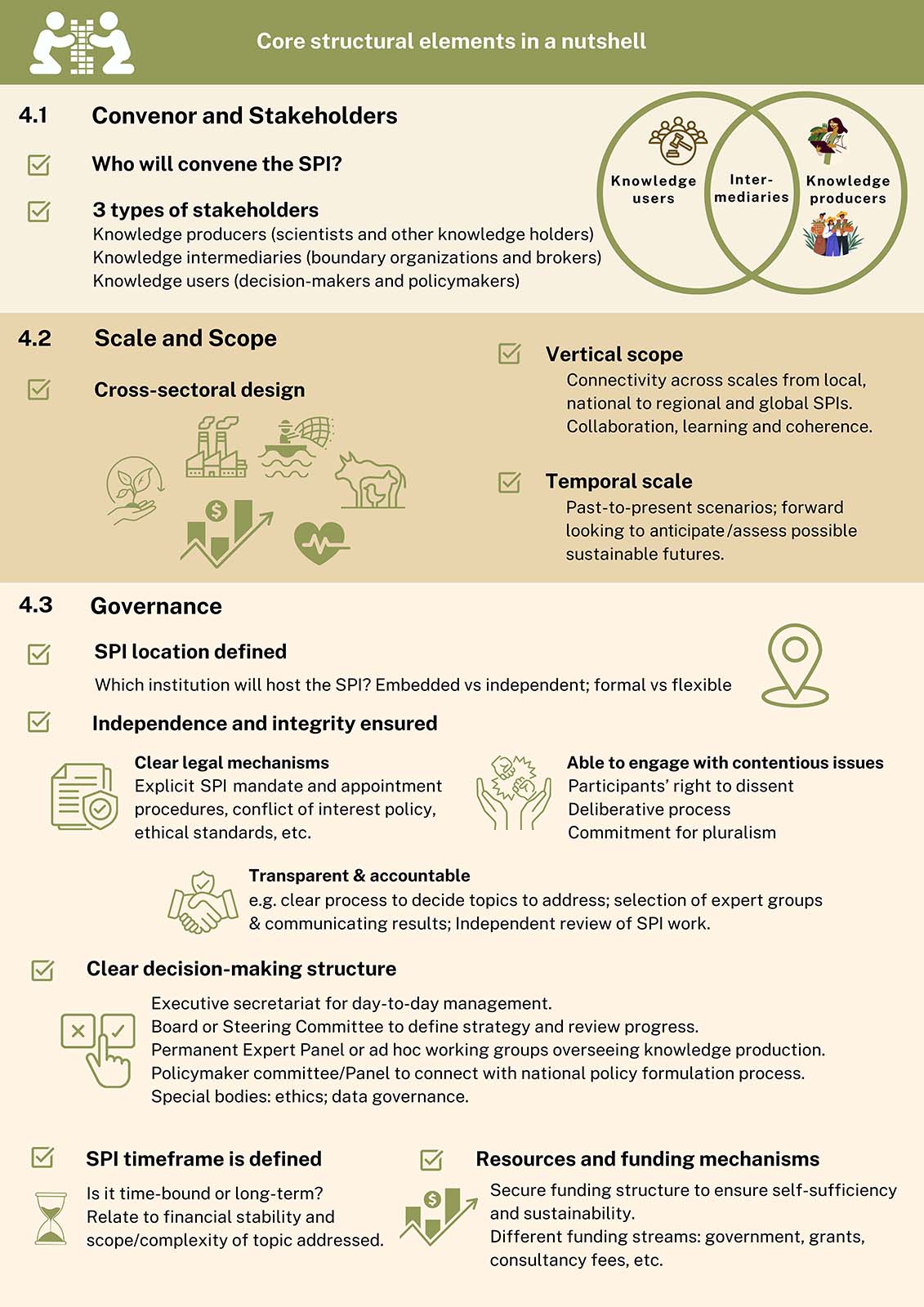
Source: Authors’ own elaboration.
The convenor of an SPI is the individual, group, organization, agency or network that calls together the different stakeholders who take part in the SPI. The convenor role can take on different levels of formality and permanency and it can be charged with different degrees of responsibility for organizing and leading the SPI. Selection or designation of an SPI convenor may influence the choices made regarding the participation, structure and governance of the national SPI (see Section 4.3a).
SPIs are typically composed of three main categories of stakeholders:
Importantly, each of these categories is made up of representatives with different national interests and approaches. For example, civil society organizations (CSOs) are stakeholders in both the knowledge producer and knowledge user categories.
Knowledge producers: These stakeholders are not limited to the formal knowledge sector like science or research within academic, government or business institutions, but also in other knowledge systems such as Indigenous Peoples’ and local knowledge as well as practitioners working and living in particular locations or systems. For agrifood systems in particular, the basic constituencies involved would need to include not just diversity but equitable representation of farmers, fishers, pastoralists, small-scale producers, family farmers, Indigenous Peoples, women, youth, consumers and other underrepresented agrifood systems actors.
Intermediaries: Intermediaries may be employed by a variety of institutions on the knowledge production or use side, but may also be self-employed or working for e.g. think tanks, making their profile and activities (boundary spanning, brokering evidence, etc.) more relevant to their identification than their host institution per se.
Knowledge users: Within this category, decision-makers may be governmental staff members in ministries, agencies, or other government organizations, senior executives and managers of non-governmental institutions whose decisions affect agrifood systems (e.g. research funders, philanthropists, business leaders, CSOs, associations, etc.) and consumers.
This diversity among knowledge producers, intermediaries and knowledge users, makes it even more important to design the SPI in inclusive ways and consider how governance and structure serve this plurality of stakeholders. It should be noted that the categories are not mutually exclusive – consumers for instance may be located more on the side of knowledge/evidence users, but are also producers of evidence in certain cases e.g. unexpected food poisoning or contamination, or associations working to inform other consumers about product quality, health benefits or hazards, etc.
Agrifood systems extend across geographic, economic, cultural and political boundaries. The challenges inherent in the transformation of agrifood systems require knowledge sharing across diverse stakeholders within the country that hold different perspectives on needs, priorities and approaches, with SPIs in other countries, and with SPIs and cross-sectoral mechanisms operating at regional and global scales. This also entails a systemic approach that spans several sectors for successful solutions. Important cross-sectoral challenges for agrifood systems transformation include, inter alia, supply chain resilience and food security, climate change and environmental sustainability, inclusive and equitable agrifood systems, technology development and innovation, health and nutrition, food sovereignty and trade.
The scope of the national SPI should inclusively encompass the requisite set of national level institutions, evidence and knowledge sources, decision contexts, values and interests in the country. This is true for at least three reasons. First, agrifood systems transformation depends on inclusive and coordinated consideration of diverse evidence (e.g. across disciplines, knowledge systems) and building understanding across multiple sectors, including agriculture and food, health and nutrition, and the environment (e.g. climate, conservation, biological diversity). Cross-sectoral design increases the likelihood that the impacts of planned transitional initiatives generated in one sector can be understood and anticipated by other sectors. Similarly, cross-sectoral knowledge sharing can facilitate integrated co-design of initiatives that work together to advance agrifood systems transformation.
Second, national agrifood system SPIs naturally encompass interconnected and overlapping decision-contexts. At the national level, various stakeholders in government, civil society and private sector formulate actions that respond to constituencies, often based on different values, interests and needs. National agrifood SPIs can benefit from cross-sectoral design that communicates and coordinates across national decision-makers and platforms, as a means of aligning missions, responsibilities and policies for system transformation (see Box 9). Inclusion of stakeholders that span sectors is critical for effective functioning of an agrifood systems SPI. Therefore, governance of agrifood systems should include not just agriculture, fisheries, environment, health and nutrition, but also industry, transport, social welfare, economic planning, finance, education and employment (UN, 2023).

© Pep Bonet/NOOR for FAO
The European Union launched the National Information Platforms for Nutrition (NIPN) initiative in 2015 to create government-led platforms for evidence-based multisectoral nutrition policy dialogue. These aim to strengthen policy, programme, and investment decisions to combat undernutrition. NIPNs have been established in Bangladesh (closed in 2022 due to shifting government priorities), Burkina Faso, Côte d’Ivoire, Ethiopia, Guatemala, Kenya, Lao PDR, Niger, Uganda and Zambia. These platforms, embedded in national institutions, convene national actors to coordinate nutrition efforts. Each NIPN comprises a data component and a policy component, working together through an operational cycle. This cycle involves formulating policy questions, analyzing multisectoral data, and communicating strategic recommendations. It is iterative, allowing for multiple cycles annually based on national priorities. Key lessons from NIPN implementation include:
NIPNs hold significant promise for achieving nutrition policy goals and fostering impactful cross-sector collaboration.
Third, cross-sectoral approaches are fundamental to important national initiatives such as the national food systems pathways (see Box 10), facilitated by the UN Food Systems Coordination Hub. While these are not tied to any formal commitments or global conventions, they are consistent with the HLPE-FSN as well as the CFS policy recommendations and do offer a unique opportunity to work towards coherent plans that integrate the agrifood, climate, biodiversity and health sectors. As such, it is vital to maximize synergies and align these pathways with climate, biodiversity and health-related targets, including Nationally Determined Contributions (NDCs), National Adaptation Plans (NAPs), National Biodiversity Strategies and Action Plans (NBSAPs), One Health Strategic Action Plans, National Water Roadmaps towards the 2030 agenda, and the National Action Plans to combat desertification and degradation. When national SPIs adopt cross-sectoral designs they are better able to learn from and influence these other mechanisms, further supporting linkages between evidence and decision-making for agrifood systems transformation and providing a stronger voice for cross-sectoral approaches within an otherwise sectoral-dominated policy environment.
At the beginning of the current federal administration, an Intersectoral Group on Health, Food, Environment, and Competitiveness (GISAMAC) was created under the leadership of the Ministry of Health in Mexico, which was also designated as the national convener of the 2021 Food Systems Summit dialogues. As a result of this process, a proposal for a Sustainable and Healthy Food Law was developed and approved unanimously by 420 votes in March 2024. The approval of this law is a historic achievement, resulting from the dialogue and collaborative efforts among a diverse array of stakeholders. Civil society organizations, academic institutions, NGOs, the government and legislators from all political parties actively engaged in the process of building and articulating consensus, beginning with the reform of articles 4th and 27th of the Mexican political constitution by members of the Legislature in 2011. The law’s main objective is to prioritize the right to health, environment, water and the best interests of children in all policies related to adequate nutrition by the Mexican State. It establishes coordination mechanisms between the authorities of different levels to guarantee the full exercise of this right. It also establishes the effective participation and rights of farmers, Indigenous Peoples, Afro-Mexicans, women and youth in national development. Under this law, GISAMAC has become a formal entity called the National Intersectoral System for Health, Food, Environment and Competitiveness (SINSAMAC), with the mandate to coordinate efforts intended to transform the food system, including actions to protect breastfeeding, regulate aggressive marketing of unhealthy products directed to children, and support agroecology, among other actions. One important endeavor coordinated by SINSAMAC is the proposal for Normative Food Baskets, which is based on the updated 2023 Healthy and Sustainable Dietary Guidelines for the Mexican population (Figure 11). These guidelines were prepared by public health researchers, in collaboration with a multi-sectoral group and were conceived as an instrument to inform, guide, and align policies and programmes in Mexico to orient the food system towards better practices related to diet, health, and nutrition, reducing the environmental impact and consumption of ultra-processed foods (Unar-Munguía et al., 2024). The national roadmap for the transformation of the Mexican food system highlights the need to identify strategies that improve the food environment, for example the front of pack warning labels that were implemented in Mexico in October 2020. These warning labels inform consumers about unhealthy ingredients (excess sugars, sodium, fats and calories) in packaged food and beverages, helping them choose healthier options. Other examples are the nationwide taxes on sugary beverages and energy-dense foods that were implemented in 2014 to discourage consumption of ultra-processed foods and beverages, as well as the national decree published in December 2021 to phase-out the use of glyphosate.
Source: Unar-Munguía, M., Cervantes-Armenta, M.A., Rodríguez-Ramírez, S. et al. 2024. Mexican national dietary guidelines promote less costly and environmentally sustainable diets. Nature Food, 5: 703–713. https://doi.org/10.1038/s43016-024-01027-5
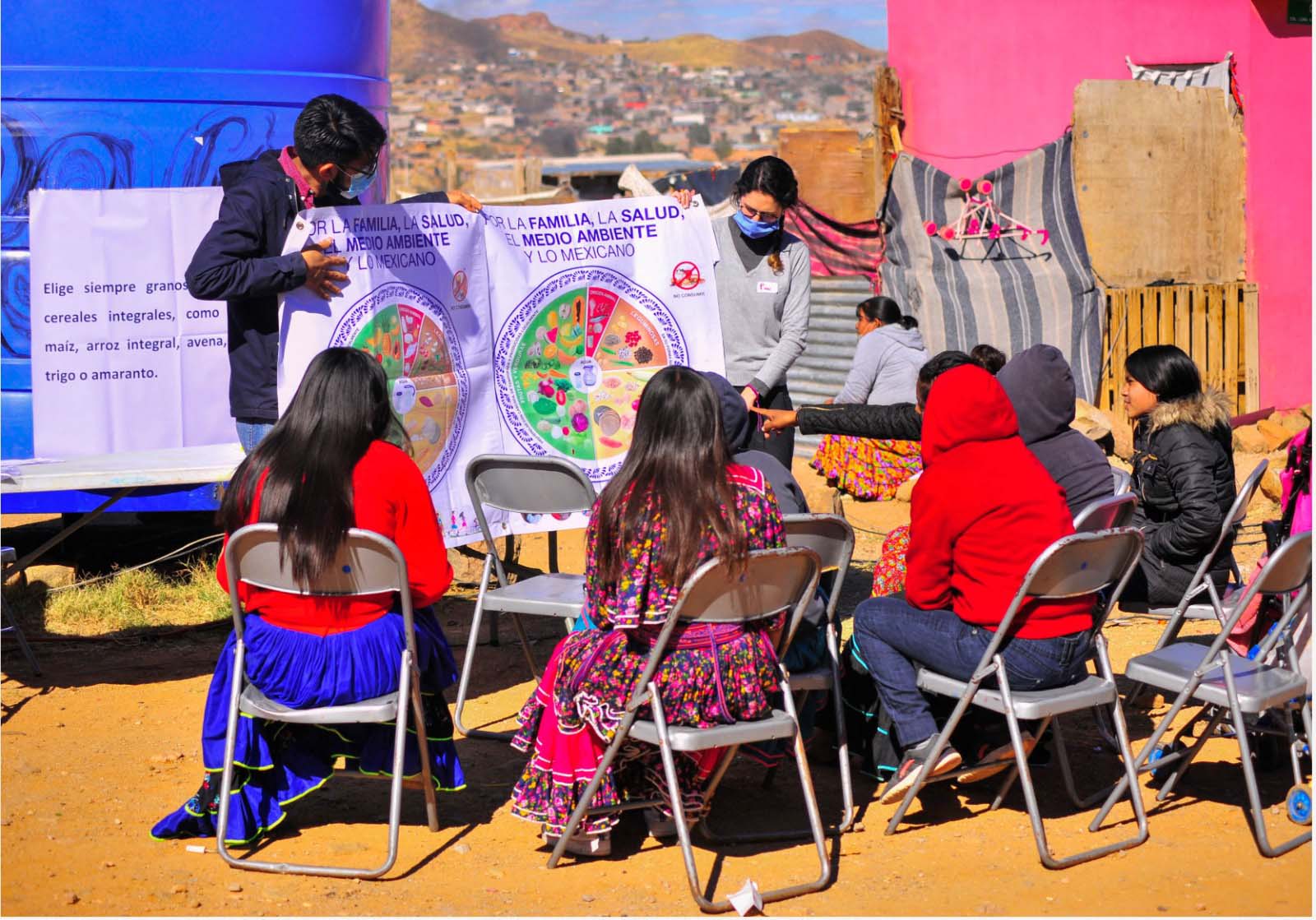
Photo credit: Jorge Zurutuza
A national level agrifood system SPI primarily focuses on national priorities, grounded in territorial and national sovereignty. Nevertheless, agrifood systems transformation is also dependent on cross-scale evidence and knowledge sharing, collaboration for learning and innovation, brokering knowledge and decision-making, synthesizing and generating knowledge for policy consideration, and coordination of policy intervention across geographies and administrative borders. Connectivity across scales provides national level SPIs opportunities to engage local, regional and global levels to effectively develop collective intelligence, coordinate knowledge brokerage and align recommendations for action (Figure 12).
National SPIs engage three other scales: local, regional and global. The local scale constitutes sub-national public sector entities at the local, provincial or territorial scale. Here it is also important to recognize that sub-national NGOs – those non-profit and for-profit entities that operate only in parts of the nation may represent important sources of knowledge, expertise and innovation. In particular, local entities may be knowledgeable about sub-national variation in social, economic and cultural dimensions of agrifood systems. National SPIs can facilitate engagement of the local level through recognizing and including local perspectives among its membership (see Box 11).
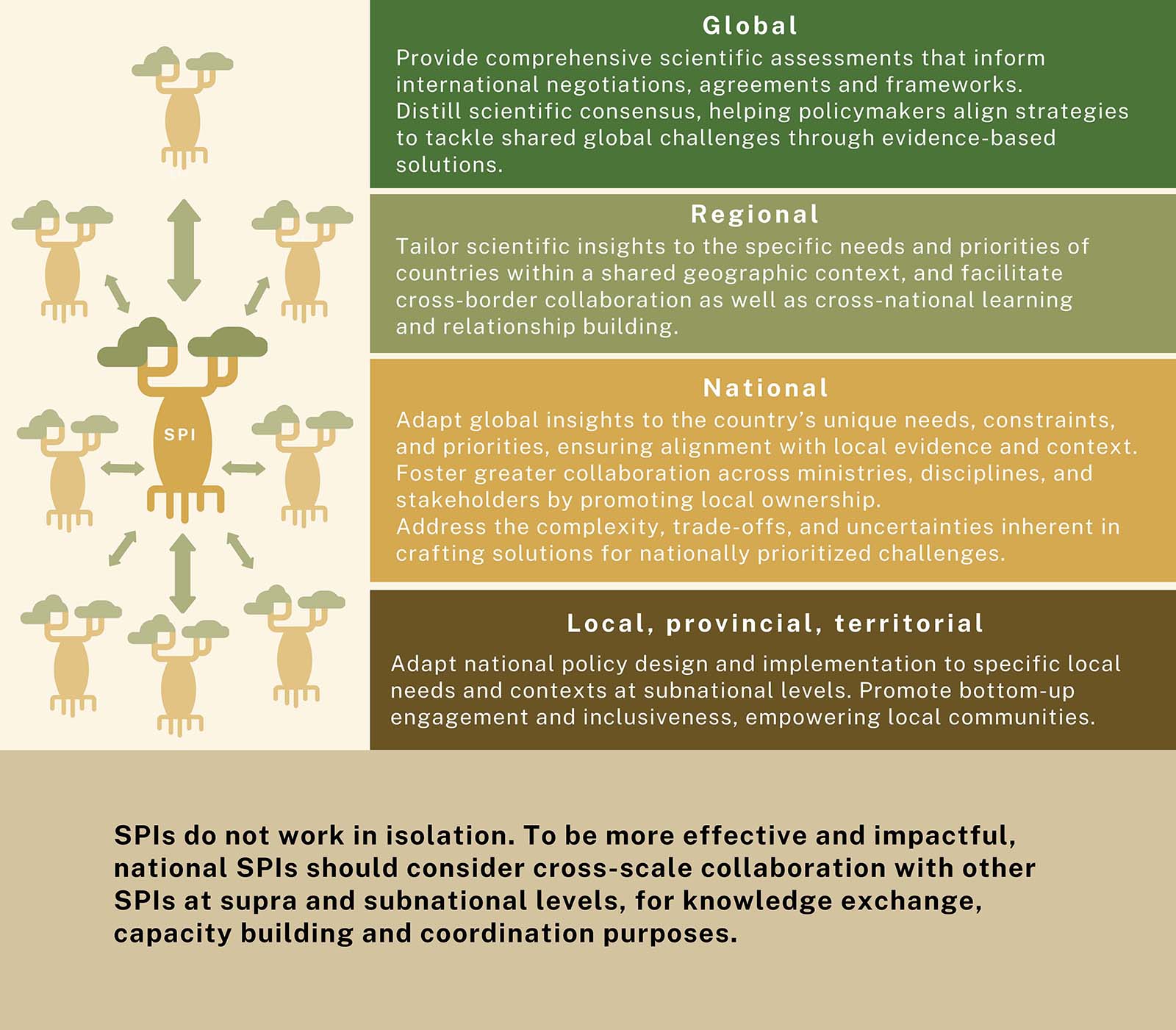
Source: Authors’ own elaboration.
The regional scale includes other SPIs in neighbouring countries, especially those countries that strongly influence the national agrifood system. For example, the Africa Evidence Network provides opportunities for its members to learn from one another across countries and sectors.15 Through its regular communications, in-person events, and online platforms, it enables cross national learning and relationship building. The global scale comprises SPIs such as HLPE-FSN, IPCC, IPBES, etc. that undertake similar knowledge brokerage missions but at the supra-national level.
Cross-scale coordination should be incorporated into the SPI such that the SPI serves both at-scale needs and cross-scale needs. To address national-level needs, the SPI should consider the following activities:
Water scarcity and competition for limited resources can heighten tensions and social distress among farming communities and other water users. In Morocco, the agricultural sector must enhance holistic water use efficiency through improved crop choices, agronomy, innovative and affordable irrigation practices, and better farm and water management. This also involves optimizing farming systems and landscapes, supported by comprehensive policies and national investment programmes. National policies, like the Green Morocco Plan, have increased farmers’ access to irrigation infrastructure, but with unequal impacts in terms of productivity and important social and environmental trade-offs (El Ansari et al., 2023). Imagining sustainable futures for Moroccan agriculture requires interdisciplinary expertise to assess the potential impacts of water use efficiency measures across scales (Vadez et al., 2023). It also necessitates effective cross-sectoral, inclusive, and multiscale collaboration. Transdisciplinary science platforms can act as a broker, providing a review of best practices, simulations, and other scientific outputs as a starting point to compare and discuss the pros and cons of different future sustainability scenarios between different administrations and stakeholders. However, national policy design and implementation must be adapted to the subnational levels. A Water-Energy-Food-Ecosystem (WEFE) nexus science-practice-policy platform has been set up in Meknes, to improve sustainability decisions for a more resilient dryland cereal-based farming in the Saïss plain (Kertolli and Belhouchette, 2023). Since 2022, this local policy assessment platform has brought together farm system design experts and other academics, with provincial agricultural and water offices, extension agents, and farmers representing major types of farming systems in the target region. After co-defining the climate adaptation scenarios they wanted to test, such as scaling conservation agriculture and water use efficiency measures, researchers produced simulations using a tailored farm-level bioeconomic model (Flichman et al., 2016). The WEFE nexus consortium agreed on a multicriteria analysis framework (Kertolli et al., 2024) to assess each pathway in terms of productivity, profitability, sustainability and potential trade-offs. Such collaborative exercises can alert agriculture, water and climate policy decision-makers and planners to potential maladaptation risks. For instance, a recent analysis from this WEFE nexus platform showed that the current measures of intensification of cereal–legume systems through better irrigation access, may increase average incomes but could also lead to rapid depletion of groundwater and significant nitrogen leaching, as well as potential trade-offs in terms of food security (El Ansari et al., 2023).
Sources: El Ansari, L., Chenoune, R., Yigezu, Y.A., Komarek, A.M., Gary, C. & Belhouchette, H. 2023. Intensification options in cereal-legume production systems generate trade-offs between sustainability pillars for farm households in northern Morocco. Agricultural Systems, 212: 103769. https://doi.org/10.1016/j.agsy.2023.103769
Flichman, G., Belhouchette, H., Komarek, A.M., Drogue, S., Hawkins, J., Chenoune, R. & Msangi, S. 2016. Dynamic agricultural household bio-economic simulator (DAHBSIM) model description: biosight project technical report. International Food Policy Research Institute. https://hal.science/hal-01432629
Kertolli, E. & Belhouchette, H. 2023. Water-Food-Energy-Environment nexus science policy dialogue at subnational level to guide future adaptation scenarios in Morocco. CGIAR Focus Climate Resilience. https://hdl.handle.net/10568/137807
Kertolli, E., Prosperi, P., Harbouze, R., Moussadek, R., Echchgadda, G. & Belhouchette, H. 2024. The water–energy–food–ecosystem nexus in North Africa dryland farming: a multi-criteria analysis of climate-resilient innovations in Morocco. Agricultural and Food Economics, 12(34). https://doi.org/10.1186/s40100-024-00327-5
Vadez, V., Pilloni, R., Grondin, A., Hajjarpoor, A., Belhouchette, H., Brouziyne, Y., Chehbouni, G. et al. 2023. Water use efficiency across scale : from genes to landscapes. Journal of Experimental Botany, 74(16): 4770–4788. https://doi.org/10.1093/jxb/erad052
Designing an SPI for national agrifood systems does not prevent inclusion of design criteria that also serve cross-scale needs. While the cross-scale criteria may depend upon the national and regional context, the following should be considered:
Cross-scale designs offer multiple advantages for the effective functioning and long-term impact of national SPIs. These include opportunities for collaboration on agrifood system challenges recognized at multiple levels. Joint work enables data, information and knowledge flows across scales to produce a richer and more robust evidentiary basis for decision-making (see Box 12). Collaboration-generated knowledge exchange can also highlight similarities and differences across locales and scales that potentially affect transformation processes and outcomes, or differences in interests, values and priorities in need of alignment. Collaboration enables relationship development and normalization of exchange generating routinized systems of exchange critical for long-term approaches to agrifood systems transformation.
The Alliance for Living Evidence (Alive) is a new initiative which seeks to overcome some of the barriers to getting accurate evidence to decision-makers in timely and affordable ways. To achieve this, Alive is developing and testing an approach for strengthening science–policy interfaces across countries. In the Alive approach, demand for evidence, as well as the provision of accurate, timely, affordable, and relevant evidence, is enabled through the formation of international partnerships of evidence users centred on shared evidence needs. For example, decision-makers who require evidence on youth employment solutions collaborate within an Alive partnership. Alive brokers the relationships and ensures that the required evidence is produced and kept up to date, so it is readily available when needed. As such it represents a step change in the relationship between evidence production and use with potential to strengthen national science–policy engagement within and across countries.
Specifically, national SPIs should identify ways to:
The temporal scope of a national SPI should not only consider past-to-present scenarios but also catalyse forward-looking efforts to advance understanding about plausible futures and desired patterns of change for inclusive, resilient and sustainable transitions. Agrifood systems evolve over time due to natural and social dynamics. SPIs can help make sense of the causes and consequences of these changes, as well as increase understanding of the levels of uncertainty related to change and the ambiguity associated with potential solutions. As change is often determined by past trends, as well as heralded by unexpected and sudden events and crises, the SPI could bring important anticipatory tools such as forecasting, scenario analysis, foresight analysis, and other forms of predictive modelling to inform the evidence–decision interface. Similarly, SPIs can embrace deliberative processes that forefront consideration of future trends. The value of anticipatory tools lies less in their ability to predict the future and provide prescriptive recommendations but more in their capacity to trigger discussion among stakeholders aimed at clarifying new and better options for the present in light of key emerging issues and possible futures. Such efforts should be designed to aid decision-makers and practitioners about emerging issues, potential avenues for local solutions and innovations with associated costs, and the co-benefits and trade-offs among different courses of action in the short versus long term.
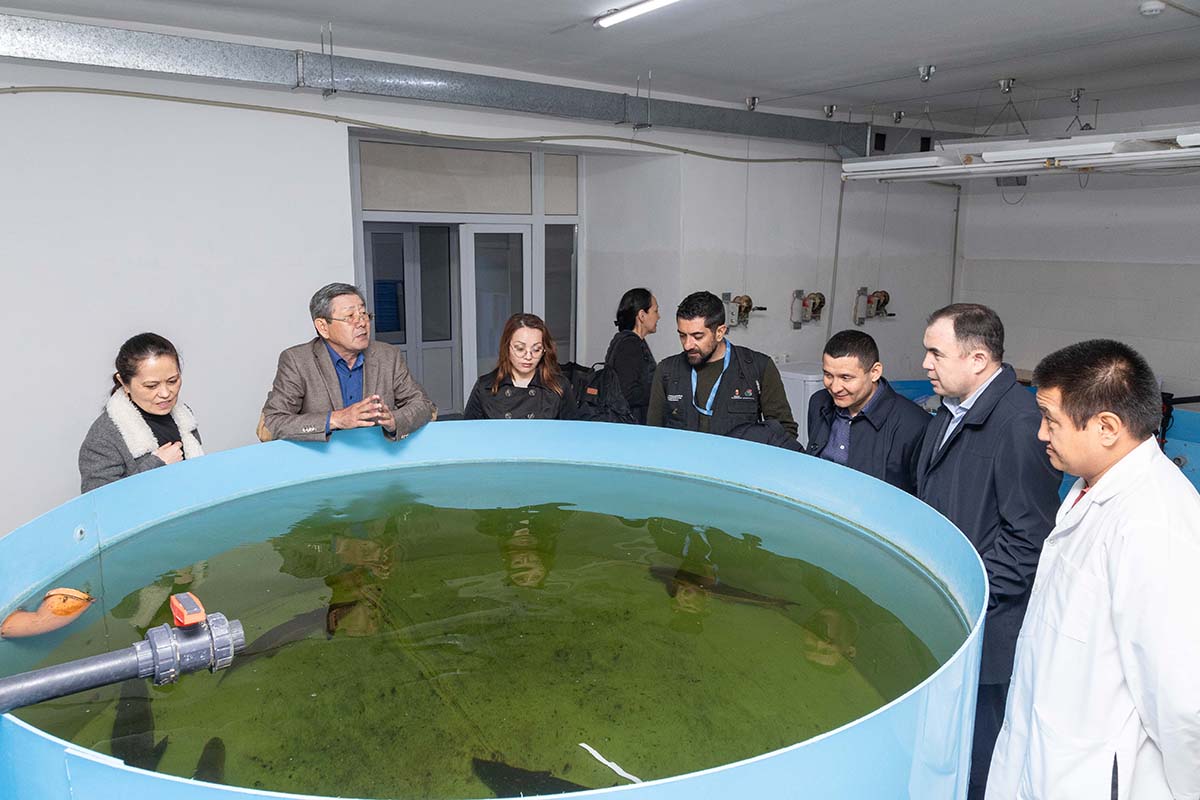
©FAO/Nastya Palagutina
SPI governance structure refers to how the SPI is organized and how decision-making occurs. Therefore, governance covers the existence and arrangement of the committees, groups and other units that guide and direct the SPI system and are capable of interacting with relevant arenas of decision-making. SPI governance could vary from highly formalized/centralized and streamlined to an ‘informal network approach’ with a flexible structure. This could differ according to:
A prioritization of issues to consider under governance is provided below and addressed sequentially in the remainder of the section:
These elements should be agreed on and formalized in the sense that they are written down (rules of procedure) and made transparent. Deliberate reflection is required on how to govern the SPI. The challenge is in who participates and how that process is governed such that the SPI adheres to the principles mentioned in Section 3.2, and the rules and processes are shared and stable over time, while still allowing for iterativity. Institutional stability and continuity of staff is important for building trust in an SPI, while iterativity is important for the SPI to stay relevant and evolve over time.
A national-level SPI’s location and hosting can have a substantial impact on its efficacy and independence. Below are various options to consider when determining the optimal location, arranged in a spectrum ranging from those directly embedded in policymaking to more independent, and between formalized versus flexible structures (Figure 13). Institutionalizing SPIs and embedding them within existing national institutions can be important for enhancing their credibility, relevance, and legitimacy in addition to being key for securing funding support for their sustainable operation (Zougmoré et al., 2019).
Independent agency: Establishing the SPI as a separate entity with its own legal status can provide the required independence from the government, safeguard from undue political interference and respond to the needs of those most affected by food insecurity.
Network/consortium approach: Establishing a consortium of stakeholders, including government agencies, academia, and non-governmental entities fosters a collaborative approach that includes a wide range of perspectives and social values while ensuring shared accountability.
Think tank: Hosting the SPI within a recognized think tank can give a good balance between the requested independence while ensuring a sustained capacity to interact with various stakeholders, including policymakers.
Academic institution: Locating the SPI in a recognized academic institution can improve access to a wide range of scientific knowledge and resources.
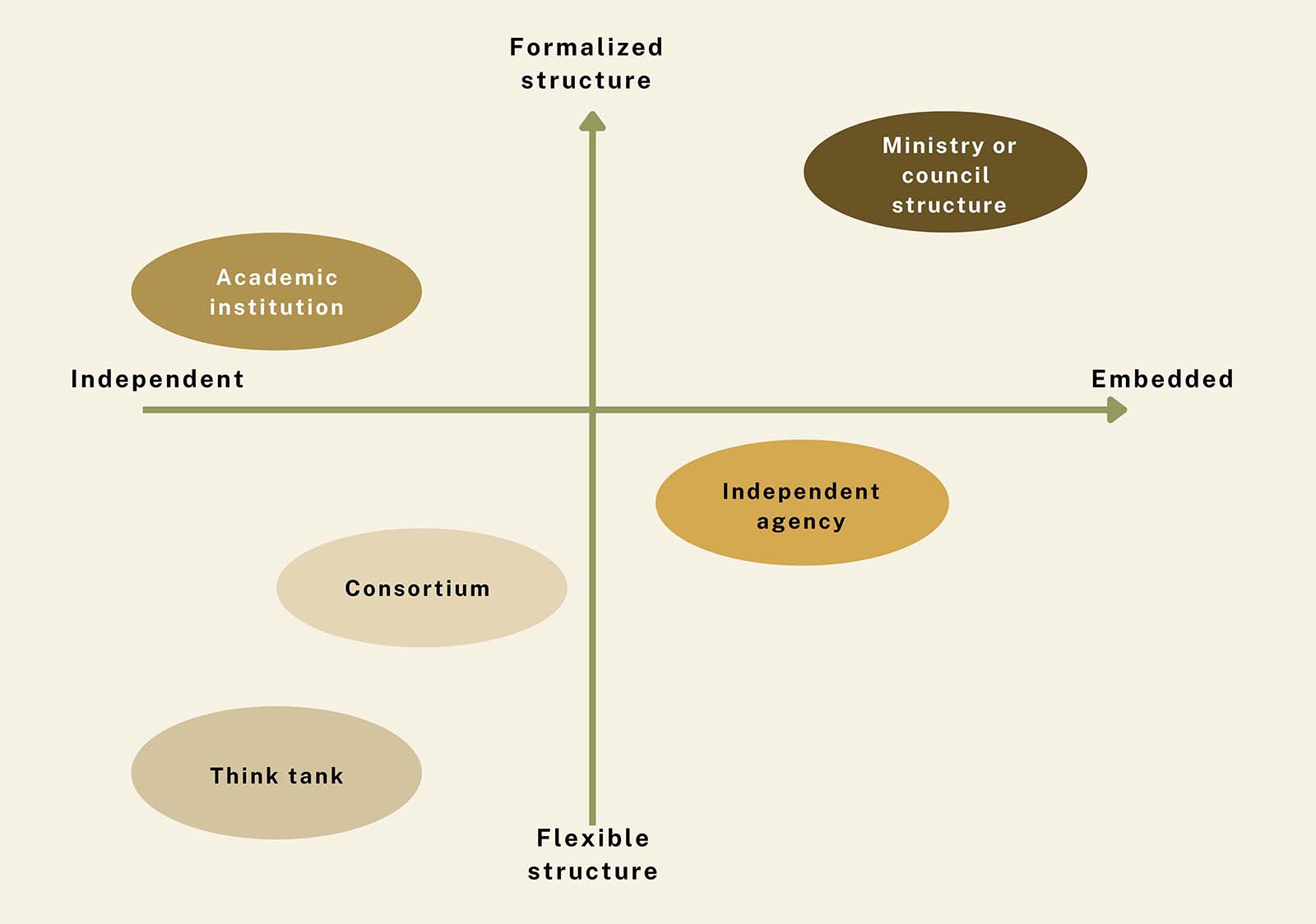
Source: Authors’ own elaboration.
Independence is a critical factor for success of an SPI if it is to be used to improve decision-making. The level of compliance with the recommendations and outputs the SPI produces is directly linked with the level of trust it garners from its target audience. The SPI must strike a balance between ensuring the SPI’s independence in providing actionable knowledge for decision-making and ensuring relevance to policymakers’ needs. Different tools are important to consider for ensuring independence:
Legal mechanisms: Building a solid legal framework outlining the SPI’s mandate, powers, and operational autonomy can provide some form of protection from political pressures. This could include elements such as appointment procedures and criteria, authority, conflict of interest policy, adherence to ethical standards and clear decision-making rules and processes.
Transparency and accountability: These more procedural elements are critical to build credibility and trust. They could include: a clear process for deciding which topics to address, for creating expert groups, for producing evidence and communicating results; mechanisms for public accountability, such as regular reporting on activities and outcomes; regular external reviews or evaluations to monitor the SPI’s performance and adherence to its mandate. Generally, an external independent review or independent auditors provide an additional layer of oversight that can enhance public trust in the SPI’s independence.
Engaging controversy: SPIs are only effective to the extent that they invite alternative viewpoints and accommodate disagreement. Not all forms of evidence or their interpretation align, and stakeholders interpret evidence and its limitations differently. Therefore, engagement processes should not only facilitate transparent presentation of evidence, but also assure participants’ right to dissent regarding weighting and interpretation. Deliberative processes that accommodate controversy can better inform decision-making. Similarly, controversy can inform new collection of evidence that further articulates the complexities associated with the pathways to agrifood systems transformation.
Pluralism: A commitment to consult with and bring in stakeholders with a diversity of backgrounds can contribute to a more comprehensive and independent and equitable decision-making process (see Box 13). Inclusiveness could be envisaged by fostering collaboration with international scientific and policy organizations to ensure a stable network of collaborators less dependent on domestic political considerations. Inclusiveness also includes designing procedural mechanisms to assure that the processes by which stakeholders are given opportunities to represent priorities and evidence, contribute to solutions, and realize the benefits of agrifood systems transformation are equitable. Such aims may require development of a shared vocabulary and investment in learning of language and meaning across stakeholders.
Selection of experts needs to be transparent with clear criteria. Independence is key. In addition to the usual expert nomination criteria (professional achievement, recognition by peers, communication skills, commitment to public services, etc.), below is a list of possible more specific criteria that are deemed critical for an effective, just and equitable SPI. They could be applied at the individual level or, more realistically, at an aggregated level to ensure that, overall, the SPI has access to a broader range of knowledge and perspective.
In essence, an effective SPI stands to gain significantly from a rich diversity encompassing sectors, disciplines, domains, governance levels and demographics. Nevertheless, this should not preclude commissioning inputs from more specialized domains, sectors, disciplines, etc.
A clear decision-making structure for the SPI is critical for its effective operation in bridging the gap between knowledge and decision-making. The structure should directly reflect the model and location chosen, as well as the more specific principles put forward, such as inclusivity, transparency, independence, etc. The structure may also vary based on whether the decision-making process of the SPI adopts a policy-oriented (demand-driven), production-focused (supply-driven) or an integrated approach. Demand-driven SPIs primarily address evidence-informed policy needs, while supply-driven SPIs respond to scientific advances, synthesizing and adapting them for policy purposes. SPIs deemed credible, legitimate and relevant achieve such standing by maintaining a balance between scientific supply and policy demand (Sarkki et al., 2013). Possible internal bodies to consider while developing the decision-making structure could include the following.
Typically, and with the exception of an SPI built as a unit embedded within a ministry or a council, a formal SPI relies on an executive office/secretariat to run the day-to-day operations. The secretariat also provides the administrative support to the executive board/steering committee that oversees the overall direction and strategy of the SPI. The members of the executive committee may be determined centrally or recommended for appointment by stakeholder groups or be elected. Additional to these classical structures, an SPI relies on an expert panel/committee to execute knowledge production activities. This expert panel may be permanent, appointed for a fixed-term, or a specialized/ad hoc one to address specific policy areas through temporary working groups/task forces. In practice, SPIs often leverage a blend of a permanent expert panel assisted by more specific and temporary working groups.
In accordance with the chosen level of inclusivity of this expert panel (in terms of disciplines as well as non-academic stakeholders), other bodies (such as an advisory body consisting of experts and representatives from academia, industry, civil society and government) could be envisaged to provide the diversity of perspectives needed for a comprehensive and systemic understanding of agrifood systems.
Depending on the extent to which the SPI includes policymakers in its membership, it may need to establish a policymaker panel/committee to increase the connectivity to the policy process and ensure regular interactions between policymakers and the SPI. This committee can be constituted at various stages of the policy process – early-stage agenda-setting or policy formulation, throughout policy implementation, or during ex post evaluations. It can also be more relevant for certain agrifood policy issues than others. In general, the committee structure provides a means for the SPI to identify knowledge needs or knowledge gaps on a regular basis and advance evidence-informed recommendations for policy. Such a policymaker panel/committee could be operationalized through various mechanisms (see Section 5.1).
Finally, more specialized bodies could also be envisaged depending on the specific need and context of the SPI operations. Such bodies could include, among others, an ethics board, a monitoring and evaluation committee (or external review panel), and a data and information system governance body. An SPI will typically collect and manage data and information that are produced as part of its activities and provided by stakeholders. The storage and curation of these resources requires clear and transparent governance mechanisms (e.g. rules, guidelines, standard practices, expectations) to ensure transparency, access and use, and protections (e.g. privacy and confidentiality) requested by the providers (see Box 14).
The duration of an agrifood system SPI’s existence could vary according to a number of factors, including its aim and role, financial stability, legal status and the evolving needs and demands of the decision-making community. Broadly, the aim and roles may be framed in generic terms, necessitating a long-term and sustained engagement by the SPI to address complex and likely persistent issues. Conversely, there are instances where an SPI’s mission and functions may be narrowly defined, specifically tailored to address a particular policy concern or problem in a time-bound manner. This decision could often hinge on the financial stability of the SPI, i.e. whether it relies on sustainable funding sources ensuring organizational stability or more project-based/short term focus (or even a combination of both). Overall, strategic planning and regular external review (see Section 5.3 on impact evaluation) could assist in deciding whether the organization’s operations should be discontinued, modified or continued.
SPIs can enhance the quality, accessibility and utility of data and knowledge informing national policy decisions. This can lead to more evidence-based policymaking, improved transparency, and increased public trust in the policy process. FAIR principles (findability, accessibility, interoperability and reusability) can facilitate collaboration, innovation, and informed decision-making across various stakeholders. Some of the main principles of FAIR include ensuring evidence, reports and data are easily discoverable by policymakers and stakeholders. This can involve establishing centralized repositories or databases with comprehensive metadata and search functionalities. Making scientific evidence and data accessible to policymakers is crucial for informed decision-making. SPIs can advocate for open access to research findings and datasets, ensuring that policymakers can freely access and utilize them. Interoperability is key for integrating diverse sources of scientific evidence and data. They can work to promote the use of standardized formats, metadata schemas, and vocabularies to facilitate seamless exchange and integration of information from various sources. Promoting the reuse of scientific evidence and data can maximize their impact on policymaking. SPIs can encourage researchers and institutions to adhere to data sharing and reuse practices, such as clear licensing terms, data documentation and reproducibility standards. However, FAIR principles are also increasingly criticized for their lack of integration of ethical dimensions and the possible epistemic injustice their implementation could generate (Bezuidenhout, 2020). The CARE Principles for Indigenous Data (collective benefit, authority to control, responsibility, ethics) put emphasis on the use of data to ensure that power differentials and the need of smaller or otherwise marginalized actors are addressed. Guidelines exist on good research practices for engaging Indigenous Peoples, with many developed by Indigenous Peoples themselves (Inuit Circumpolar Council, 2022; Gottfriedson, Arini and Mathew, n.d.).
Sources: Bezuidenhout, L. 2020. Being Fair about the Design of FAIR Data Standards. Digital Government: Research and Practice, 1(3): 1–7. https://doi.org/10.1145/3399632
Gottfriedson, G., Airini & Matthew, T.A. n.d. The Secwépemc Nation Research Ethics Guidelines. https://www.tru.ca/__shared/assets/secwepemc-nation-research-ethics-guidelines55048.pdf
Inuit Circumpolar Council. 2022. Circumpolar Inuit Protocols for Equitable and Ethical Engagement. https://iccalaska.org/wp-icc/wp-content/uploads/2022/06/EEE-Protocols-LR-1.pdf
A viable SPI requires a permanent and secure funding structure that minimizes reliance on short-term political agendas and ensures self-sufficiency and sustainability. The SPI should cultivate diverse sources of financial support to prevent potential conflicts of interest and reduce system dependency on a narrow set of funding streams. Clear funding agreements with external donors, outlining the terms and conditions and defining expectations, can be important tools to protect the SPI’s independence. Allocating resources to an SPI entails a careful balance between leveraging the capabilities of existing organizations and in-kind contributions versus specific budgetary allocations. Generally, SPIs may capitalize on existing institutions such as scientific organizations and government agencies, accessing databases and expertise on a pro bono basis. When hosted within a government agency, an academic institution, or a consortium, SPIs stand to gain from shared facilities and infrastructures, often incurring moderate to no costs. In an optimal scenario, resources could be provided through sustained annual budgetary contributions from multiple public sources (taxpayer money) having sector-based interests in agrifood systems. Additional or alternative funding avenues from project- or programme-based public, foundational, multilateral organizational, or private sector could be generated through grants and contracts, though it is critical that agreements with these providers do not subvert the independence of the SPI. Finally, some SPIs could develop a consultancy-based model in which fees are paid for a specific service rendered, although this stands the risk of privileging ‘buyers’ with more financial resources. Usually, SPIs employ a multifaceted resource generation approach, garnering funding from diverse sources.


Required citation:
FAO 2024. Guidance on strengthening national science–policy interfaces for agrifood systems. Rome, FAO. https://doi.org/10.4060/cd3125en
The designations employed and the presentation of material in this information product do not imply the expression of any opinion whatsoever on the part of the Food and Agriculture Organization of the United Nations (FAO) concerning the legal or development status of any country, territory, city or area or of its authorities, or concerning the delimitation of its frontiers or boundaries. Dashed lines on maps represent approximate border lines for which there may not yet be full agreement. The mention of specific companies or products of manufacturers, whether or not these have been patented, does not imply that these have been endorsed or recommended by FAO in preference to others of a similar nature that are not mentioned.
ISBN 978-92-5-139322-2
© FAO, 2024
Some rights reserved. This work is made available under the Creative Commons Attribution-NonCommercial-ShareAlike 3.0 IGO licence (CC BY-NC-SA 3.0 IGO; https://creativecommons.org/licenses/by-nc-sa/3.0/igo/legalcode).
Under the terms of this licence, this work may be copied, redistributed and adapted for non-commercial purposes, provided that the work is appropriately cited. In any use of this work, there should be no suggestion that FAO endorses any specific organization, products or services. The use of the FAO logo is not permitted. If the work is adapted, then it must be licensed under the same or equivalent Creative Commons licence. If a translation of this work is created, it must include the following disclaimer along with the required citation: “This translation was not created by the Food and Agriculture Organization of the United Nations (FAO). FAO is not responsible for the content or accuracy of this translation. The original [Language] edition shall be the authoritative edition.”
Disputes arising under the licence that cannot be settled amicably will be resolved by mediation and arbitration as described in Article 8 of the licence except as otherwise provided herein. The applicable mediation rules will be the mediation rules of the World Intellectual Property Organization http://www.wipo.int/amc/en/mediation/rules and any arbitration will be conducted in accordance with the Arbitration Rules of the United Nations Commission on International Trade Law (UNCITRAL).
Third-party materials. Users wishing to reuse material from this work that is attributed to a third party, such as tables, figures or images, are responsible for determining whether permission is needed for that reuse and for obtaining permission from the copyright holder. The risk of claims resulting from infringement of any third-party-owned component in the work rests solely with the user.
Sales, rights and licensing. FAO information products are available on the FAO website (www.fao.org/publications) and can be purchased through publications-sales@fao.org. Requests for commercial use should be submitted via: www.fao.org/contact-us/licence-request. Queries regarding rights and licensing should be submitted to: copyright@fao.org.
Cover photograph: © FAO/emergencies