

© FAO/Alessandra Benedetti
Agrifood systems provide food, nutrition, employment and economic security to billions of people around the globe. They are, however, facing unprecedented challenges characterized by high levels of uncertainty, including climate change, biodiversity loss, and environmental degradation, all of which are exacerbating poverty, vulnerability and hunger around the world. In 2023, between 713 and 757 million people faced chronic hunger worldwide, and about 2.8 billion were unable to afford a healthy diet in 2022. Inadequate diets are the primary contributors to the prevalence of diseases, and the global burden of malnutrition, in all its forms, remains a challenge. The world is not currently on course to achieve any of the seven global nutrition targets by 2030 (FAO, IFAD, UNICEF, WFP and WHO, 2024). Nearly 282 million people were acutely food-insecure and required urgent food assistance in 59 food-crisis countries/territories in 2023 (FSIN and GNAFC, 2024).
The increase in agricultural production, in response to a growing population and to a shift in diets, has come at a cost. Agrifood systems contribute 34 percent of anthropogenic greenhouse gas emissions, and approximately one third of the land used for food, fibre and feed production is degraded. Climate change significantly heightens risks in agrifood systems, aggravating challenges from biodiversity losses and various disasters, crises, and conflicts. The rural poor, whose livelihoods depend on agriculture, face pronounced and disproportionate impacts due to their reliance on natural resources (FAO, 2024). They also have the least capacity to adapt to climate change.
Agrifood systems are central to the achievement of the Sustainable Development Goals (SDGs) as they bring together, in an integrated manner, socio-environmental, human health and climate issues. The COP28 Emirates Declaration on Sustainable Agriculture, Resilient Food Systems, and Climate Action, endorsed by 160 countries, emphasizes the transformative potential of agriculture and food in responding to climate change and ensuring global food security. The signatories commit to integrating agriculture and food systems into their climate action, adopting inclusive policies, securing finance, promoting innovations, and strengthening international trade.
Transforming agrifood systems has been identified as one of the six key pathways to accelerate progress towards the SDGs (Independent Group of Scientists appointed by the Secretary-General, 2019) and highlighted in the recently adopted Pact for the Future. Immediate and urgent action, informed by the best available science and evidence is necessary to drive this transformation. This requires cohesive and systemic solutions that transcend conventional policy boundaries and are inclusive, considering different experiences, expertise, beliefs and values.
To implement these solutions effectively, it is crucial to understand the complex landscape of decision-making within agrifood systems and the power dynamics at play. Decision-making is often influenced by a range of structural and behavioural drivers and barriers, along with the involvement of numerous stakeholders who experience varying degrees of power asymmetries. Globally, approximately 3.83 billion individuals live in households linked to agrifood systems as a source of livelihood, engaging either in production or further along the value chain (Davis et al., 2023). The majority of the world’s poorest households continue to depend on agriculture-linked livelihoods. However, a high level of market concentration exists, with a limited number of major corporations controlling pivotal aspects of these systems (IPES-Food, 2023), shaping institutions and the relationships between food buyers and suppliers (Ruggeri Laderchi et al., 2024). Therefore, the transformation of agrifood systems must also entail empowering vulnerable and marginalized individuals and groups to engage actively in decision-making and governance processes related to agrifood systems (Figure 1).
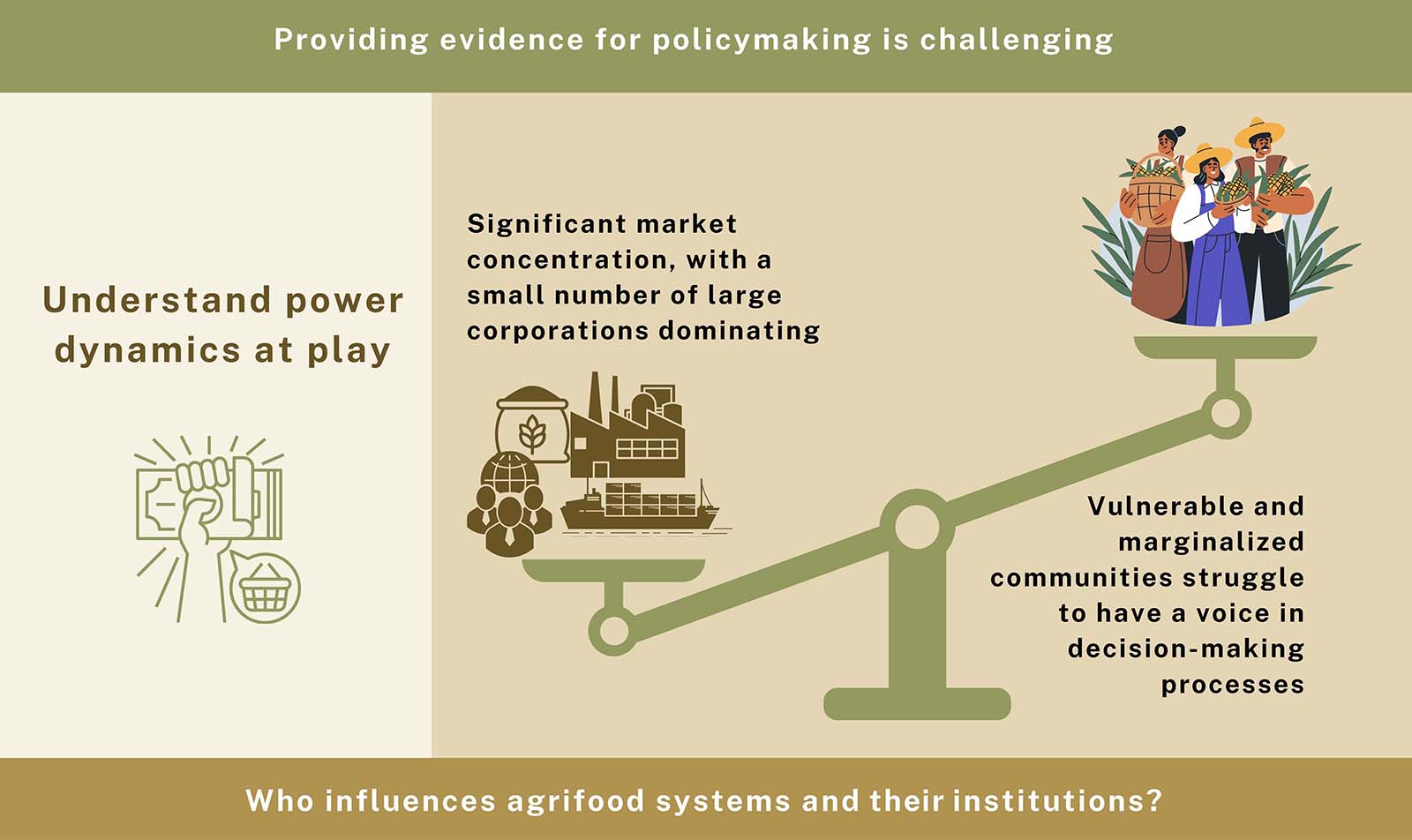
Source: Authors’ own elaboration.
The multifaceted nature of agrifood systems calls for a holistic approach supporting sustainability science, interdisciplinarity and transdisciplinarity, inclusion of knowledge from both the academic (e.g. scientific research) and non-academic (e.g. knowledge of Indigenous Peoples and small-scale producers) spheres, as well as mechanisms, processes and governance structures to integrate and translate knowledge and evidence equitably for policymaking (Turnhout et al., 2020).
Evidence-informed decision-making has the potential to improve the effectiveness, efficiency and equity of the decisions that are made, while also enhancing accountability and transparency. Yet integration of science and evidence into effective agrifood systems decision-making processes remains a significant challenge (Nature, 2022). A narrow view of what counts as evidence favours specific expertise over others, and a wide range of evidence remains undocumented, unpublished and overlooked, leading to bias (Figure 2). This limits a nuanced understanding of different agrifood systems (Global Alliance for the Future of Food, 2021). There also exists a noticeable disparity between the volume of knowledge available and the capacity to make sense of it.
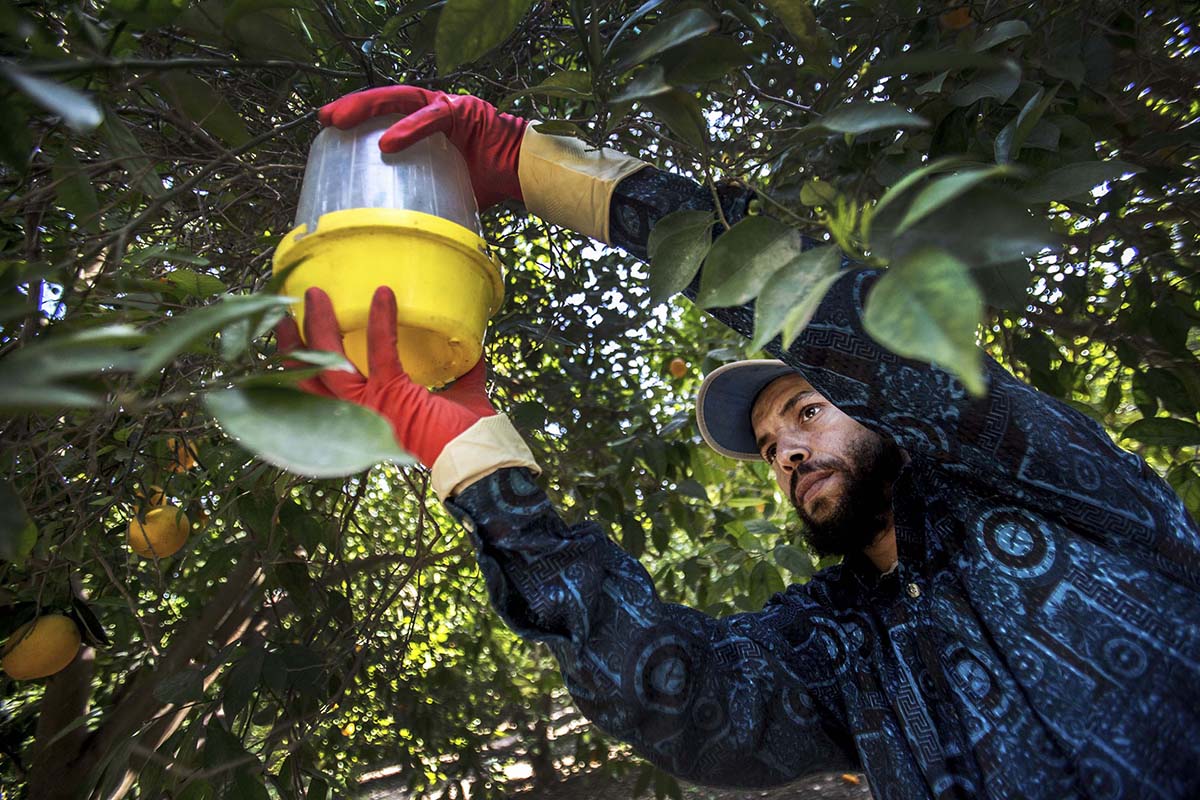
© FAO/Alessandra Benedetti
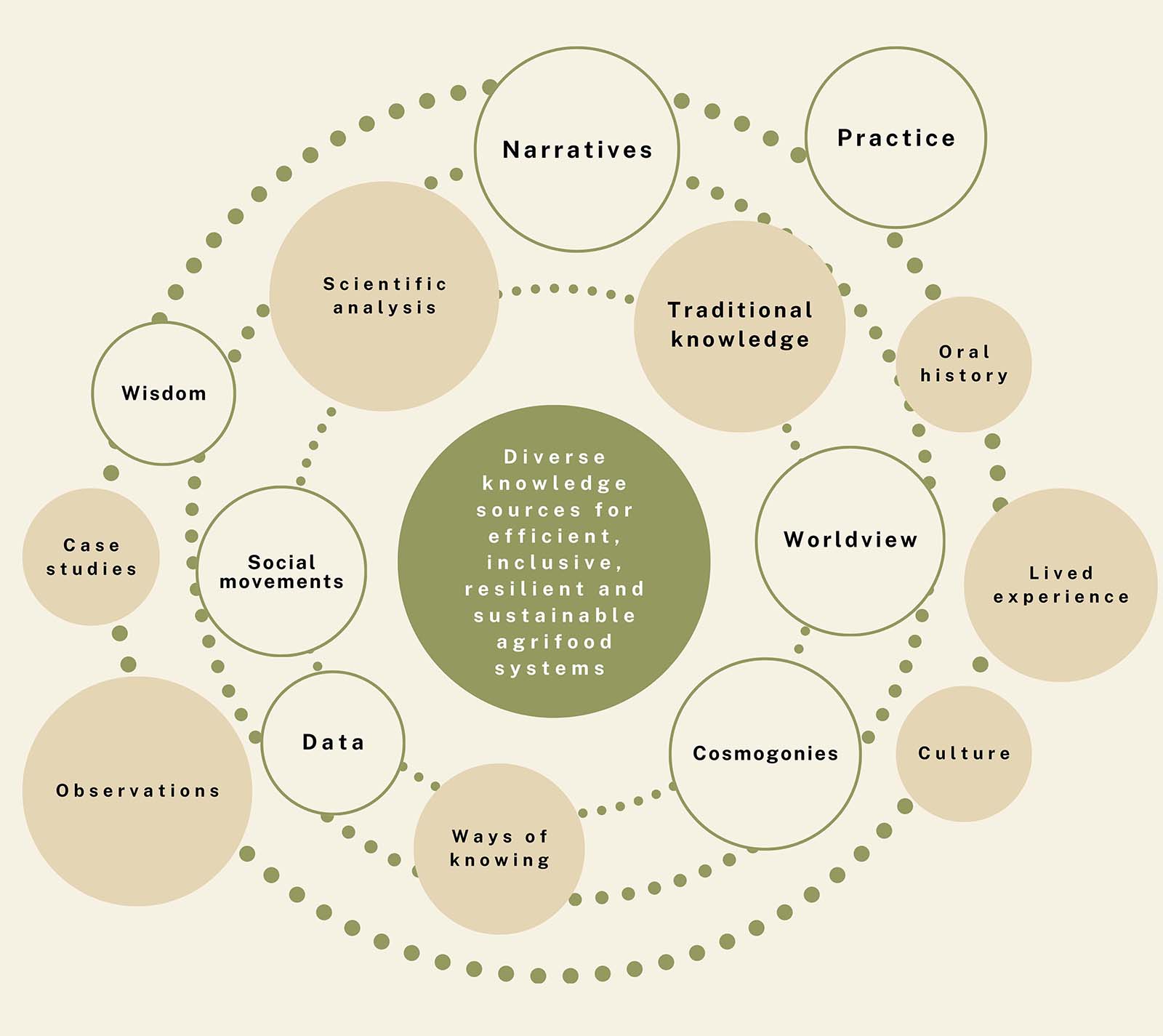
Source: Adapted from Brock, S., Baker, L., Jekums, A., Ahmed, F., Fernandez, M., Montenegro de Wit, M., Rosado-May, F.J. et al. 2024. Knowledge democratization approaches for food systems transformation. Nature Food, 5(5):342-345. https://doi.org/10.1038/s43016-024-00966-3

© FAO/Ishara Kodikara
Scientific findings may be limited by complexity, insufficient data, differences in values, uncertainties, competing views and contrasting results, and can be contested. Co-creating and integrating knowledge from different knowledge systems and across various sectors, scales and social actors can be fraught and politicized because knowledge is not neutral. The determination of what holds value and is valid is influenced by lived experiences, spiritual beliefs and cultural norms, in addition to science.
Delivering the best available evidence to policymakers in a timely and a useful format is not straightforward (Figure 3). Policy implementation can sometimes be rapid, yet even when unequivocal knowledge has been garnered over a long period, policy development and application can be very slow despite the acknowledged urgency of a problem (for example with climate change, there is a gap between scientific knowledge and policy uptake, and evidence alone has not been sufficient to influence political decisions). While policymakers do employ the evidence they perceive as most helpful to set priorities and design or inform policies (Masaki et al., 2017), there is often a disconnect in terms of how scientists conceive evidence as relevant for policymaking versus what policymakers consider relevant for decision-making (Avey and Desch, 2014). The significant differences in goals and incentives between scientific research and policymaking are often overlooked by both, posing challenges in their relationship, especially when dealing with contentious issues that can undermine trust among stakeholders. Policymakers may not inform scientists and other knowledge holders about their needs while scientists and other knowledge holders may not actively engage in the policymaking process. Additionally, many obstacles may compromise their participation.
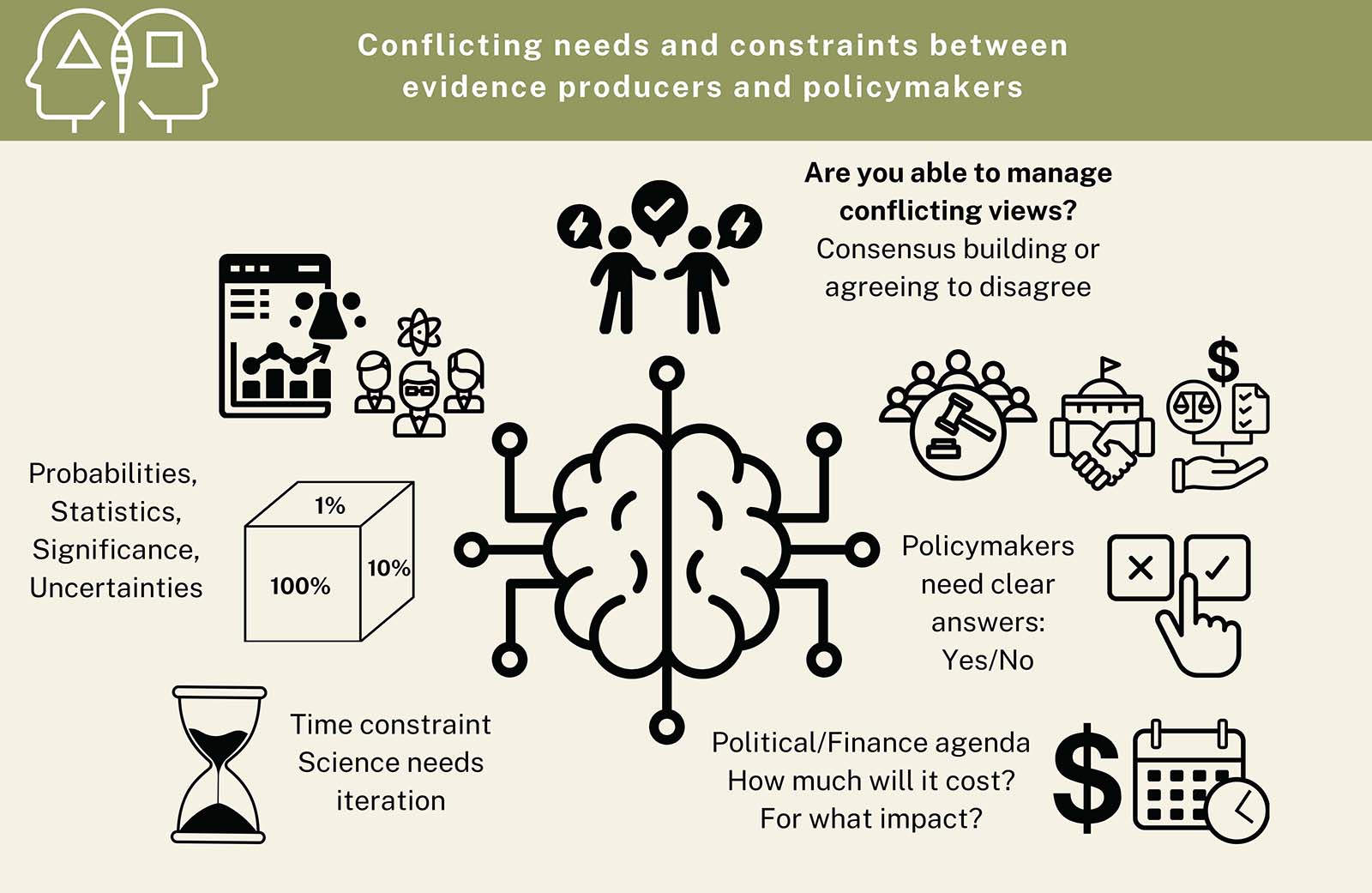
Source: Authors’ own elaboration.
Efforts have been made to increase the use of science and evidence in policymaking over many decades, with a range of strategies employed across various sectors. In many ways these efforts have been led by environmental considerations at the global level. In an increasingly fragmented world, science diplomacy is viewed as a viable means of resolving multilateral problems and fostering collaboration on global commons, making use of the universal language of science to keep lines of communication open and build policy convergence across nations. Successful examples of where science has been effectively translated into policy include the Montreal Protocol to resolve the depletion of the ozone layer and the phasing out of lead in petrol (UNEP, 2021). Many conventions now rely on global environmental assessments, which distil and synthesize knowledge and have made a substantial contribution to environmental decision-making, such as the Intergovernmental Panel on Climate Change (IPCC) to the Paris Climate Agreement and the fifth Global Environment Outlook to the 2030 Agenda for Sustainable Development (Kowarsch et al., 2017). Nonetheless, these assessments could improve their effectiveness by accommodating different problem and solution frames to empower a broad range of actors and stakeholders (Maas et al., 2021).
Current challenges affecting agrifood systems require agility and transparency to co-create and integrate knowledge and feed it into policy and practice. Consequently, it is necessary to establish/strengthen the legitimacy of institutional structures, to improve networks among knowledge holders and policymakers, to build capacity in how to inform policy optimally with evidence, to facilitate building of coalitions of actors able to lead and support informed decision-making, and to institutionalize systematic, participatory and transparent processes.
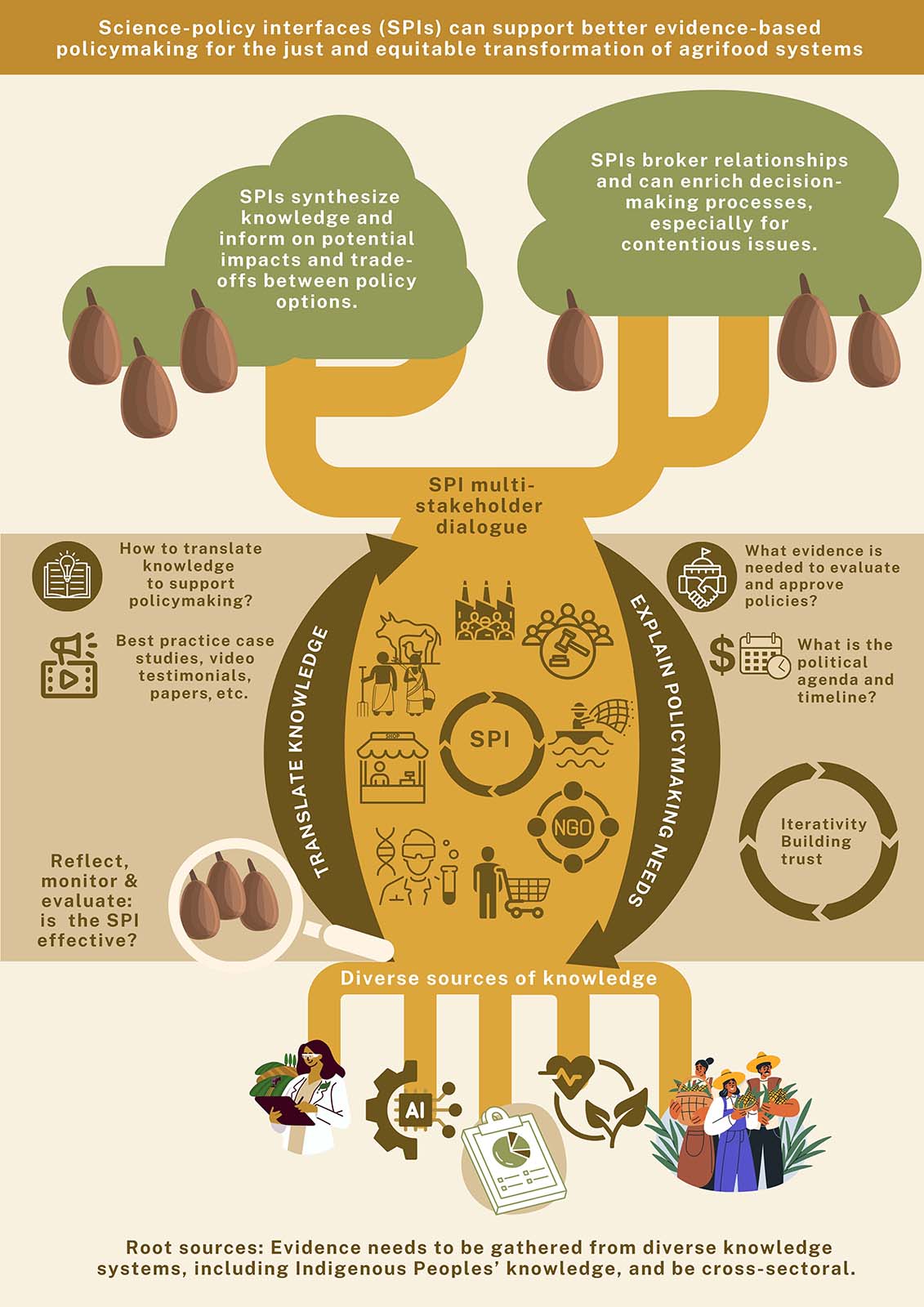
The science–policy interface (SPI) has been defined as “mechanisms for organized dialogue between scientists, policymakers and other relevant stakeholders in support of inclusive science-based policy making” and “characterized by relevance, legitimacy, transparency, inclusivity, and ongoing and effective dialogue through an appropriate institutional architecture” (FAO, 2022). An SPI goes beyond a simple linear transfer of knowledge, with scientists informing policy and policymakers acting on evidence; it is a dynamic ecosystem of processes, actors and organizational structures designed to facilitate the exchange of knowledge and integrate it with social values to address complex policy challenges (UN CEPA, 2021). SPIs can enrich public policy decision-making processes (especially for contentious issues) for the just and equitable transformation of agrifood systems, leaving no one behind, through mutual learning among stakeholders as well as the co-evolution and joint co-creation of knowledge. The process of gathering evidence for policy from multiple, and sometimes competing, perspectives is just as important, if not more so, than the final synthesized knowledge. The interactions among actors during this iterative process significantly influence their beliefs, values and behaviour, ultimately determining the success of SPIs (Riousset, Flachsland and Kowarsch, 2017).
The science–policy landscape for agrifood systems at the global level is broad and includes a plurality of initiatives and actors that generate, distil, synthesize, assess and use knowledge for decision-making at various levels of granularity, and for different purposes (see Table 1 for some examples of global SPIs). They have diverse governance structures and work methodologies, and differ in how they engage with relevant stakeholders. No single stakeholder group or organization covers the entire landscape, nor does any constituent provide all the pieces of the necessary support infrastructure either internationally or nationally. While there has been a proliferation of global SPIs, there is a lack of integration and coordination, as well as important gaps in evidence related to issues such as trade-offs and co-benefits, and the political economy, among others (European Commission, 2021).
One of the primary challenges is the fragmentation of expertise, institutions, and sectors. There is growing consensus that more can be done to improve the current ecosystem for intelligence gathering, sharing, and utilization for agrifood systems, which underpins contemporary policy agendas (European Commission et al., 2022). Improved coordination and connectivity among the SPIs working on different aspects of agrifood systems is necessary to overcome siloed thinking and practices, enhance representation of stakeholders, and allow SPIs to leverage their resources and data (Singh et al., 2023). Effective collaboration is the cornerstone of successfully addressing global challenges such as food security, nutrition, climate change, health and biodiversity conservation. Concrete proposals and ideas aimed at bolstering cooperation among diverse SPIs could include cross peer-reviews of the flagship publications, the establishment of an annual thematic collaborative event, the sharing of best practices across different SPIs, the formation of special task forces, and the consideration of powerful joint reports and calls to action.
An informal Montpellier Process has been launched to pool the collective intelligence of expert panels on climate, biodiversity, health and food systems. It seeks to promote connectivity across local, national, regional and global levels and to structure an SPI community of practice that focusses on agrifood systems transformation as a lever for addressing the intertwined challenges towards sustainable development (Caron et al., 2022). The Juno Evidence Alliance aims to improve opportunities for coherence in methods, practices, and commissioning and publication of evidence across agrifood systems and climate.

© FAO/Lucie Chocholata
| Full title of the SPI | Secretariat UN affiliate | Sector | Description of the SPI |
|---|---|---|---|
The High Level Panel of Experts on Food Security and Nutrition (HLPE-FSN) | FAO | Agriculture | HLPE-FSN of the Committee on World Food Security (CFS) is the United Nations body for assessing the science related to global food security and nutrition. It is governed by a steering committee of 15 scientific experts in food security and nutrition-related fields. HLPE-FSN is hosted by FAO. |
FAO | Agriculture | ITPS is a group of 27 soil experts representing all the regions of the world. The main function is to provide scientific and technical advice and guidance on global soil issues to the Global Soil Partnership primarily and to specific requests submitted by global or regional institutions. The ITPS advocates addressing sustainable soil management in different sustainable development agendas. | |
Intergovernmental Platform on Biodiversity and Ecosystem Services (IPBES) | UNEP | Environment | IPBES has four functions: assessing knowledge, building capacity, strengthening the knowledge foundations, supporting policy. While it is not a UN body, its Secretariat is hosted by UNEP. It currently has 140 member states. Its decision-making body (plenary) meets yearly while the Bureau takes decisions intersessionally. Other bodies include the Secretariat (including technical support units), task forces, multidisciplinary expert panel, stakeholder networks and expert groups. |
Science–policy Interface of the United Nations Convention to Combat Desertification (UNCCD SPI) | UNCCD | Environment | UNCCD SPI was established at COP11 in 2013 to translate scientific findings and assessments into policy-relevant recommendations. It provides peer reviewed technical reports and science–policy briefs to support policy development. The UNCCD SPI is composed of independent scientists at the global and regional level, as well as policymakers and observers. The work programme is determined by the UNCCD Committee on Science and Technology, which also selects the members. |
WMO | Environment | The IPCC is the UN body for assessing the science related to climate change. Its role is to report on the state of scientific, technical and socioeconomic knowledge on climate change as well as options to reduce the rate at which climate change occurs. It was created in 1988 by the World Meteorological Organization and the UN Environmental Programme. It is an organization of UN member states (currently 195 members). Thousands of experts work on assessing the latest publications on climate change. |
Navigating this complex landscape is challenging for countries. Global insights must be contextualized and balanced with local evidence to align with each country’s specific gaps, needs, constraints, priorities, and context. Additionally, the specificity of agrifood systems in all their breadth, complexity and power differentials calls for greater collaboration across ministries, disciplines and stakeholders (UN, 2023). A national SPI can enhance such collaboration through local ownership and is particularly adapted to tackling complexity, trade-offs and uncertainty to produce solutions that address nationally prioritized challenges and country pathways.
FAO’s first-ever Science and Innovation Strategy is a key tool to support the implementation of the FAO Strategic Framework 2022–31 and by consequence the 2030 Agenda for Sustainable Development (FAO, 2022). Strengthening SPIs for agrifood systems is one of the nine outcomes of the Strategy (outcome 1.2) under the first pillar on Strengthening science and evidence-based decision-making. Each of the outcomes is grounded in the seven guiding principles of the Strategy, which promotes a people-centred approach, discussion of ethical issues and a broad understanding of evidence, among other issues. FAO is well positioned at the nexus of knowledge and policy to develop guidance and practical tools that better connect evidence and decision-making. As a facilitator of intergovernmental processes, FAO further aims to provide a neutral platform and scientific analysis for exchange among countries.
The Strategy indicates that FAO will strengthen its contribution to SPIs at national, regional and global levels to support organized dialogue among scientists, policymakers and other relevant stakeholders in support of inclusive science- and evidence-based policymaking for greater policy coherence, shared ownership and collective action. The added value of FAO’s contribution is to focus at national and regional levels in addition to the global level, to address issues that are relevant to agrifood systems taking into account, as appropriate, information and analyses produced by existing global SPIs, such as the High Level Panel of Experts on Food Security and Nutrition (HLPE-FSN; see Box 1), the IPCC and the Intergovernmental Science–Policy Platform on Biodiversity and Ecosystem Services (IPBES), as well as the policy recommendations adopted by the Plenary of the UN Committee on World Food Security (CFS) and to enable ongoing and effective dialogue through the institutional architecture provided by the FAO Governing Bodies.
The HLPE-FSN of the Committee on World Food Security (CFS) is the United Nations body for assessing the science related to world food security and nutrition. It is governed by a steering committee of 15 scientific experts in food security and nutrition-related fields. It provides independent, comprehensive and evidence-based analysis to the CFS, and elaborates its studies through a scientific, transparent and inclusive process. The HLPE-FSN holds a high degree of legitimacy with its constituents — including governments, civil society, the private sector, and UN agencies — based on its inclusive procedures, such as seeking inputs from different disciplines, knowledge bases, experiences, and perspectives to inform its work. Its reports and issues papers serve as the basis for high-profile policy recommendations, which are adopted by CFS and then implemented by governments and other CFS stakeholders. HLPE-FSN members are selected in an open nomination process that is rigorous and based on scientific excellence. CFS is the foremost inclusive international and intergovernmental platform for all stakeholders to work together to ensure food security and nutrition for all. Using a multi-stakeholder, inclusive approach, CFS develops and endorses policy recommendations and guidance on a wide range of food security and nutrition topics. These are developed starting from scientific and evidence-based reports produced by the HLPE-FSN. HLPE-FSN is hosted by FAO.
In line with its Science and Innovation Strategy, FAO has developed this guidance on strengthening science–policy interfaces for agrifood systems at the national level, helping to ensure that effective policy decisions are made based upon sufficient, relevant, and credible science and evidence. It is targeted to SPIs that are focused on the transformation of agrifood systems (prioritizing understanding and addressing the root causes of hunger, food insecurity and inequality in agrifood systems) to contribute to the achievement of the SDGs, with a focus on the needs of low- and middle-income countries. This document is meant to provide guidance to the individuals and institutions that produce and use evidence as well as the intermediaries who broker evidence in Member States and in partner organizations. Individuals who are less experienced with the topic can benefit by gaining an understanding of the fundamental concepts, while those who have started exploring this area but have not seen significant progress or impact can use the guidance to discover how to refine their approach for better outcomes.
Following this introduction, the guidance comprises four sections (Figure 4). First, it reflects on the “why”, i.e. the need for a national SPI, analysing the potential benefits of an SPI in addressing country-specific agrifood system challenges, and mapping and assessing the science–policy advisory ecosystem. Second, it outlines the core aspirational elements of a functional SPI, including its aims and roles, guiding principles, and three broad SPI models (the “what”). The final two sections focus on the “how”. The third section details the core structural elements of an effective, just, and equitable SPI, focusing on the convenor and stakeholders, scale and scope, and governance. Finally, the fourth section covers the procedural elements of an SPI, discussing the operationalization of an SPI, capacity development activities, and the importance of learning and reflexivity for achieving the desired impact. The publication is structured to allow readers to explore the document in a modular way, particularly if they have a specific concern in mind. However, it is important to emphasize that readers should not confine their focus to just 2-3 sections. The true value of this guidance lies in a comprehensive reading of the entire document.
Because circumstances differ according to specific contexts, there can be no one-size-fits-all approach and tailoring to national needs is essential, considering a country’s unique socioeconomic, political, and environmental conditions, as well as the diversity of stakeholders involved. Accordingly, this guidance document is not meant to be prescriptive but rather is intended to be a tool to facilitate reflection about advancing an SPI, its possible scope and mandate, and to launch a learning process around SPIs. It could be considered at the country level in a process to strengthen existing, or establish new, agrifood system SPIs. The guidance is envisioned to be a living document and improved (through further iterations of the guidance) by learning from such experiences.
© FAO/Lucie Chocholata
Source: Authors’ own elaboration.
Work on the guidance was initiated with the organization of an FAO online consultation to identify and understand the barriers and opportunities for scientists and other knowledge holders (drawing their knowledge from other knowledge systems, including Indigenous Peoples, small-scale producers, etc.) to contribute to informing policy for more efficient, inclusive, resilient and sustainable agrifood systems. The online consultation took place from 5 December 2022 to 24 January 2023, and received 91 valuable contributions from 39 countries.1
Subsequently, two background papers were commissioned. The first one at the national level provides an overview of existing models and activities used for developing and operating science–policy systems and supporting the use of evidence, to transform agrifood systems (Stewart and Patiño-Lugo, 2024). Three high-level models are presented: the production-focused model, the policy-oriented model and the integrated model. The second paper focuses on the global level to understand better how different international SPIs operate to address the complexities of their tasks (Welch et al., 2024). The conceptual framework identifies three key components of SPIs that, operating together, have the potential to anticipate and respond to needs and demands for both policy and science: governance, co-production and learning.
Building on findings from the online consultation, background studies to understand the experiences at global, regional and national levels, key informant interviews, desktop studies, literature reviews, an expert workshop and a robust peer-review process, draft guidance was developed.
A second online consultation was held on the draft guidance from 15 April 2024 to 15 May 2024.2 A total of 46 reflections were received from 25 countries, diverse intergovernmental, public and private organizations working in different fields of expertise, academia, civil society and other institutions, and used to refine and finalize the guidance.
© Alex Webb/Magnum Photos for FAO
© Brent Stirton/Getty Images for FAO, CIRAD, CIFOR, WCS


Required citation:
FAO 2024. Guidance on strengthening national science–policy interfaces for agrifood systems. Rome, FAO. https://doi.org/10.4060/cd3125en
The designations employed and the presentation of material in this information product do not imply the expression of any opinion whatsoever on the part of the Food and Agriculture Organization of the United Nations (FAO) concerning the legal or development status of any country, territory, city or area or of its authorities, or concerning the delimitation of its frontiers or boundaries. Dashed lines on maps represent approximate border lines for which there may not yet be full agreement. The mention of specific companies or products of manufacturers, whether or not these have been patented, does not imply that these have been endorsed or recommended by FAO in preference to others of a similar nature that are not mentioned.
ISBN 978-92-5-139322-2
© FAO, 2024
Some rights reserved. This work is made available under the Creative Commons Attribution-NonCommercial-ShareAlike 3.0 IGO licence (CC BY-NC-SA 3.0 IGO; https://creativecommons.org/licenses/by-nc-sa/3.0/igo/legalcode).
Under the terms of this licence, this work may be copied, redistributed and adapted for non-commercial purposes, provided that the work is appropriately cited. In any use of this work, there should be no suggestion that FAO endorses any specific organization, products or services. The use of the FAO logo is not permitted. If the work is adapted, then it must be licensed under the same or equivalent Creative Commons licence. If a translation of this work is created, it must include the following disclaimer along with the required citation: “This translation was not created by the Food and Agriculture Organization of the United Nations (FAO). FAO is not responsible for the content or accuracy of this translation. The original [Language] edition shall be the authoritative edition.”
Disputes arising under the licence that cannot be settled amicably will be resolved by mediation and arbitration as described in Article 8 of the licence except as otherwise provided herein. The applicable mediation rules will be the mediation rules of the World Intellectual Property Organization http://www.wipo.int/amc/en/mediation/rules and any arbitration will be conducted in accordance with the Arbitration Rules of the United Nations Commission on International Trade Law (UNCITRAL).
Third-party materials. Users wishing to reuse material from this work that is attributed to a third party, such as tables, figures or images, are responsible for determining whether permission is needed for that reuse and for obtaining permission from the copyright holder. The risk of claims resulting from infringement of any third-party-owned component in the work rests solely with the user.
Sales, rights and licensing. FAO information products are available on the FAO website (www.fao.org/publications) and can be purchased through publications-sales@fao.org. Requests for commercial use should be submitted via: www.fao.org/contact-us/licence-request. Queries regarding rights and licensing should be submitted to: copyright@fao.org.
Cover photograph: © FAO/emergencies